


Exposing The Root Of Hate: In Conversation With Lenny Gold, Executive Producer Of “Blind Spot”
Exposing The Root Of Hate: In Conversation With Lenny Gold, Executive Producer Of “Blind Spot”
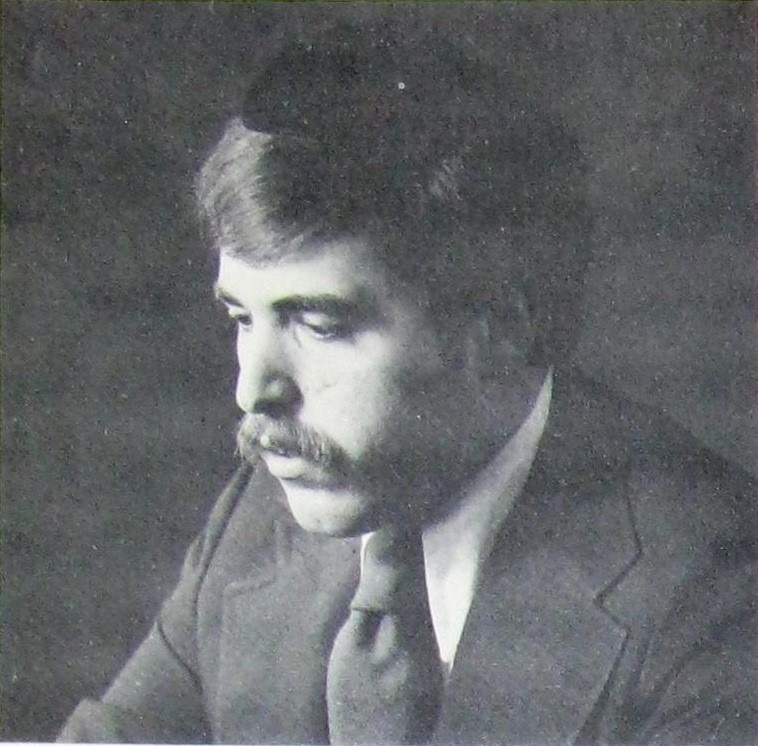
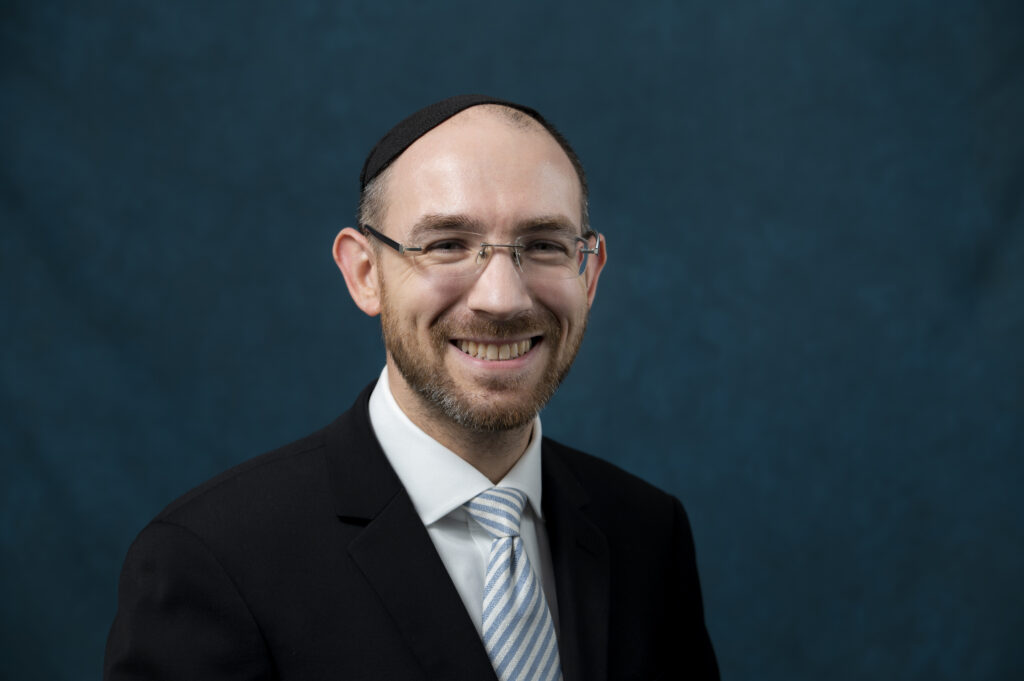
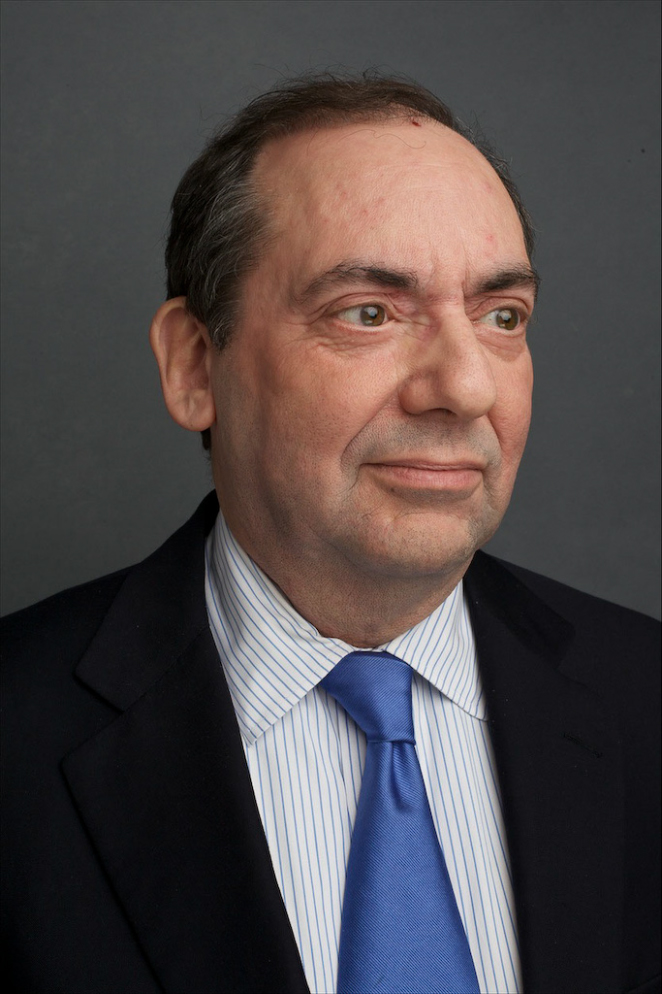
Nothing could deter Lenny Gold from accomplishing his mission. Spurred to action by a disturbing incident his young son had experienced at school, the executive producer of the groundbreaking film, Blind Spot, was determined to document how longstanding campus antisemitism has led to the explosion of violent hate after October 7.
Prior to the recent screening of Blind Spot and special event held at Congregation Beth Sholom in Lawrence, we discussed the acclaimed film with Mr. Gold. It is our pleasure to share his thoughts with our readers. We will review the film and the event in next week’s edition of the 5TJT.
Rochelle Maruch Miller: What inspired you to create Blind Spot and focus on campus antisemitism?
Lenny Gold: I experienced the problem firsthand as a parent when one of my sons was in eighth grade, and through high school. I can tell you that hell hath no fury like a Jewish parent of a middle schooler who faces institutional antisemitism in school, as my son did at Friends Seminary, the Quaker school in Manhattan. It turned out that the American Friends Service Committee (the AFSC) is so virulently antisemitic that its members are subject to denial of entry into Israel because of their anti-Israel activities (although that ban was not imposed until after my son had graduated), but we and most parents didn’t know about it at the time. (The school doesn’t exactly advertise their antisemitism on their school tours or in their promotional material.) Our awareness of the problem began when we learned that my son’s eighth-grade history teacher (who is Jewish, and now teaches at the Heschel School in Manhattan—you can’t make this up) compared Israel’s treatment of Palestinians with the Nazis’ treatment of Jews, and it got worse from there. One of the subsequent incidents involved the self-hating Israeli jazz musician Gilad Atzmon, who is featured in the Friends Seminary segment of Blind Spot, and triggered three op-eds from Alan Dershowitz at the time (in early 2012). The school is housed in the same complex as AFSC’s NY Regional headquarters on East 16th Street, and AFSC controls the school’s board (and I point that out because not every Quaker school is controlled by AFSC). You can see one of the BDS pages on AFSC’s website here: https://afsc.org/news/what-you-should-know-about-afscs-support-bds-movement.Much has been written about the Quakers and Israel. What made the problem all the more painful for me is that my son is named for an Israeli friend of mine, Ilan Heimlich, who was killed while serving in his Golani Brigade unit in Lebanon in 1982. He is memorialized on the In Memoriam frame at the end of Blind Spot. As a result of our experience at Friends, and the feelings of betrayal and being violated that it triggered in me, I vowed that if I were ever in a position to do something about this problem, I would. So I did, after my journey of many years and thousands of hours of research demonstrated that the problem was much larger than a single school on East 16th Street or the Quakers, and that someone needed to make film about it.
RMM: How do you hope the film will influence discussions about antisemitism?
LG: As with other violations of human rights and civil rights, I hope that people never lose sight of the victims. These children went to school for an education and a normal American college experience, not to become warriors for the Jewish people. They found themselves compelled to meet the moment when they experienced this hatred and found that it was depriving them of the right to have a normal college experience. The more empathy you can have for the victims, the more likely it is that you will object to the injustice and indifference which is the source of their pain, and the less likely it is that you’ll accept it as normalized or believe that it is protected by the First Amendment (which it is not, as the lawyers featured in Blind Spotexplain) or is merely a political disagreement (which is an inaccurate characterization that camouflages the hateful and unlawful conduct, as noted by attorney Alyza Lewin in the film). This is why we chose to tell the story primarily through the firsthand accounts of those directly impacted by campus antisemitism, i.e., undergraduates who were willing to bear witness on camera to their experiences and feelings in their own voices, so that audiences could see the problem through the victims’ eyes and experience it through their words. This approach was suggested during a March 2021 Zoom call by none other than Bari Weiss, and we knew immediately that she was correct, so we set out to make the film that way in the hope that it would influence people to put the victims first when they try to understand campus antisemitism and why it is unacceptable and needs to be eliminated.
RMM: Every student featured in the film is amazing—a courageous hero! How did you find and select these treasures?
LG: They came to us in a variety of ways, including through articles written by The Algemeiner’s campus correspondent, Dion Pierre (who is himself featured in the film, as you know), especially because he was about the only journalist covering the campus antisemitism beat for most of the time prior to 10/7. As we got to know more people, we developed leads to more students, including the Jewish on Campus (JOC) students, of which there are at least four in the film (Julia Jassey, Micah Gritz, Blake Ziegler, and Danielle Sobkin). I believe we became aware of the University of Vermont story through Dion’s reporting, and, as Ken Marcus of The Brandeis Center says in the film, he became aware of the problem at UVM through JOC. We connected with Tzvia Waronker through Councilwoman Inna Vernikov after seeing Tzvia testify so powerfully and emotionally at Inna’s 6/30/22 City Council hearing on antisemitism at CUNY. I connected with Elliot Sadoff from a chance encounter with a guy sitting next to me at a Knicks game when we struck up a conversation about the film and Friends Seminary. He knew about Elliot’s story from Elliot’s mom, who it turned out was someone that I knew too because she was the president of the Friends Parents Association when my son was there and her older daughter was either in my son’s class or one year removed from him, but I didn’t know that she had a younger son or that the antisemitism was still happening at Friends. It thus turned out to be a complete coincidence that Friends ended up in Blind Spot, but I’m glad that it did. As for Elliot, he holds the record for the most years encountering antisemitism in school, from kindergarten through college graduation, having gone from Friends to Columbia, i.e., from the frying pan to the fire.
RMM: What challenges did you encounter while bringing the film to fruition?
LG: There were too many to recount here, but nothing was going to stop us from completing and releasing Blind Spot. That was our commitment to the students because we felt that we owed it to them to find a way to get their stories out to the largest possible audience. From the outset, we were beholden to nothing but the truth and nobody but the students, and we are proud that we never waivered from that. Some examples of the challenges that we faced, too many of which sadly emanated from elements within the Jewish community, included information from multiple credible sources that another film’s distributor had us blackballed from festivals that had previously approached and invited us to submit Blind Spot to them; a major media platform that would have paid a significant amount of money to acquire the rights to Blind Spot told us at the last minute that we’d have to cut some of the “gay content,” which we immediately and respectfully declined to do, and thus walked away from the deal because of it; and no school where we filmed would agree to screen Blind Spot—and that’s true of the Hillel and Chabad chapters at those schools in addition to the schools themselves. The closest we came to screening Blind Spot on a campus where we filmed was Tulane, where Tulane Hillel had agreed to schedule a screening under pressure from some leaders of the New Orleans Jewish community, but then, under pressure from the school, they tried to drown out the voice of a student leader who was going to be on the Q&A panel, but when no school official or other students would agree to be on the panel, Tulane Hillel simply canceled the screening with no explanation three days before the scheduled date. Immediately afterwards, a Tulane Jewish Studies professor assigned Blind Spot to be seen and discussed by his class, and a prominent New Orleans shul reached out to host a screening, so we ended up ok but never had the Tulane campus screening of Blind Spot that so many people wanted to have.
RMM: Can you share a particularly important story from the film that resonated with you?
LG: As I indicated in my testimony before the U.S. Civil Rights Commission in February, the present campus environment for Jewish students is so foreign to me that, as a Penn classmate of mine put it, nobody went to Hillel when we were at Penn because the whole campus felt like Hillel, while now, as I told the Commission, almost all Jewish students go to Hillel and/or Chabad because they are the only places on campus where Jewish students feel safe being who they are. Perhaps the saddest story to me is that of CUNY, once a welcoming engine for upward mobility and bastion of opportunity and educational excellence for Jews and students from all backgrounds, particularly first generation Americans who lacked the financial means to go to other schools, and an institution revered and attended by many friends and members of my extended family when I was growing up in the ‘60s in Far Rockaway. To see the blatant antisemitism and ignorance, which is not only tolerated but encouraged and taught at too many of CUNY’s campuses, and to see the blind eyes and evil of indifference evidenced by CUNY’s leaders, was shocking and sad. Most people are not aware that the governor (not the mayor) controls a majority of seats on CUNY’s board, so it is quite shocking that New York’s current governor has allowed this to happen on her watch.
RMM: What steps do you feel universities should take to address antisemitism effectively?
LG: This ties into your last question about which story resonated with me, because Fordham’s president, Tania Tetlow, is a breath of fresh air in an otherwise polluted space. Fordham’s approach and values-based educational philosophy is diametrically opposed to what Tania calls the selfish individualism that drives the educational culture at too many schools. What particularly struck me about Fordham’s approach is that a school need not be a Jesuit, Catholic, or religious school of any kind to emphasize and teach values. As I said to the Commission and on my March 2026 JBS interview (and I’m sure at other times), we need to get back to teaching students how to think, not what to think, and how to disagree without being disagreeable. I’ve noted that I have clear memories of my professors at Penn saying that they didn’t want us to know their positions on any issues, because they didn’t want to influence our thinking, and instead they wanted us to develop our own critical thinking skills. If schools commit to getting back to those basics, show zero tolerance for the expression of hatred, encourage vigorous but civil discourse and debate, require education in place of indoctrination (and impose significant penalties for violation), and encourage students from different backgrounds to get to know each other—and listen respectfully to each other—both in and out of the classroom, I believe that campus antisemitism would quickly dissipate if not disappear. People will surely still disagree on many issues, but the bullying, harassment, discrimination, hatred, and all the other ugliness that we see can and must be wiped out by simply requiring civil discourse, critical thinking, and academic offerings bereft of ideological and political agendas. If we can get back to the honest pursuit of truth and academic excellence, and eliminate any tolerance for hatred and indoctrination, a lot of progress can be made.
RMM: How can viewers get involved in combatting antisemitism after watching the film?
LG: At the K–12 level, where so many of these problems are incubated, people should know who serves on their local school boards and hold them accountable. Get to know what is taught in the schools, attend school board meetings, and learn about the members of the board, especially in election years. Run for office yourself if it suits your personality and lifestyle. In higher education, alumni and donors should monitor their alma maters and make their voices heard when they learn of problems and offer to help be part of the solutions. For public universities, hold elected officials and Boards of Regents accountable as with K–12 schools. Always know your rights under Title VI and other applicable laws and be prepared to take action to enforce them if necessary, and to lobby for change when appropriate. Find other like-minded citizens and band together, in person and on social media, to amplify your voices and influence. Let your elected officials at all levels know what you expect of them. Above all, don’t be silent. If you see something, say something. As The Washington Post’s masthead says, democracy dies in darkness. There’s too much darkness now, and it’s taken a long time to get to this point, so we must expect that it will take a long time to fix it. Our enemies played the long game to get here, and we must now do the same thing to defeat them. Remember the evil of indifference and, as my late mother always said, G-d helps those who help themselves.
RMM: What message would you like to convey to our readers?
LG: Never give up. If you need inspiration, check out the amazing, brilliant students in Blind Spot. Know your history and be inspired by the miracle of the State of Israel, whose odds of survival when the War of Independence began in 1948 seemed impossibly low. Our ancestors’ prospects in their countries of origin were also bleak, but they came here and built new lives in America. We owe it to them to fight to protect and defend what they gave us. The only strategy that has ever worked for the Jewish people is to stand up and fight. Our golden post-WWII age has ended, and now we are back to our age-old reality as Jews in a foreign land, but we have the benefit of the lessons offered by our heroic Israeli brethren. If you need a reminder and refresher course, get on an El Al plane and visit Israel, and soak in the people, the culture, and the history. Then come back here rejuvenated, inspired, and ready to fight for what is ours in a land where our rights are still guaranteed by one of the most incredible documents in history, the U.S. Constitution. We must exercise those rights, just like we must exercise our muscles. at the risk of losing them.
Rochelle Maruch Miller is a contributing editor for the Five Towns Jewish Times. She is a journalist, creative media consultant, lecturer, and educator, and writes for magazines, newspapers, websites, and private clients. She welcomes your comments at [email protected]. Read more of Rochelle Miller’s articles at 5TJT.com.