




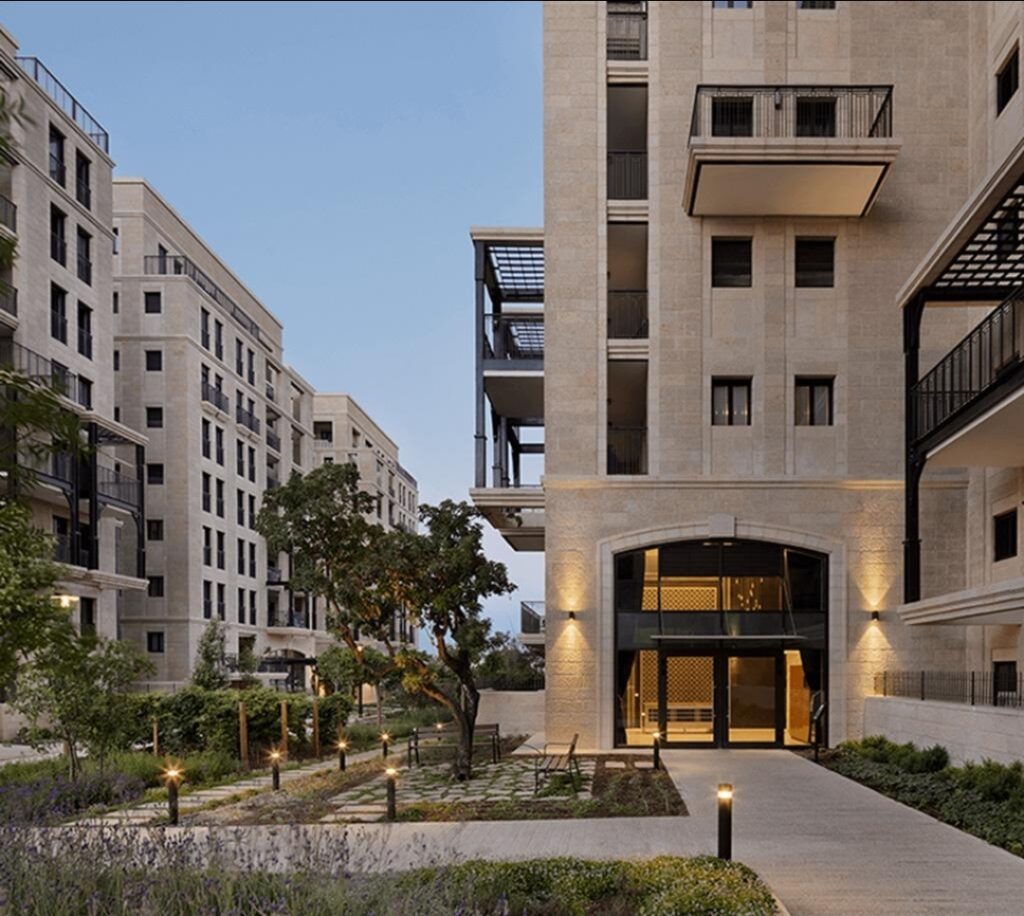

Jerusalem Is Building: What American Buyers Should Know Before Buying a Home
By: Yoav Ben Dayan
New construction, urban renewal and major transportation projects are changing Jerusalem’s
residential landscape. For American Jewish families considering a home in the city, there are more
options to consider and more questions to ask before buying.
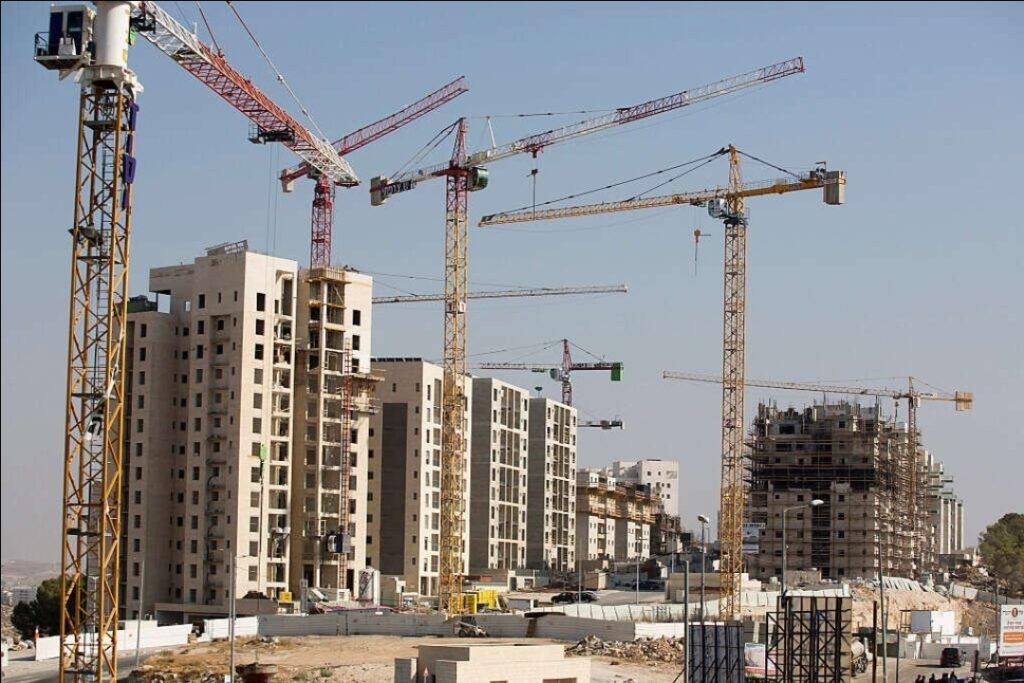
Jerusalem is experiencing a significant period of residential development.
According to Israel’s Central Bureau of Statistics, construction began on 6,870 homes in Jerusalem in
2025, an increase of 8.6 percent compared with the previous year. Building permits were issued for
approximately 8,190 homes, representing 10.1 percent of all homes that received building permits in Israel
that year.
Urban renewal is also playing an increasingly important role in the city’s housing development.
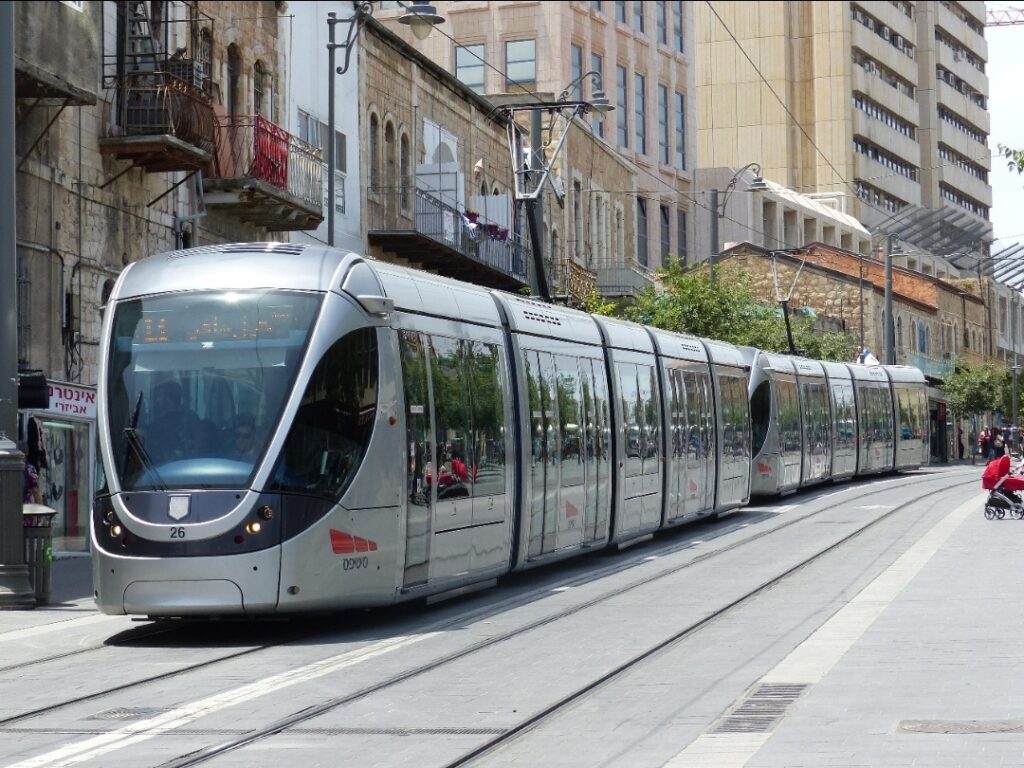
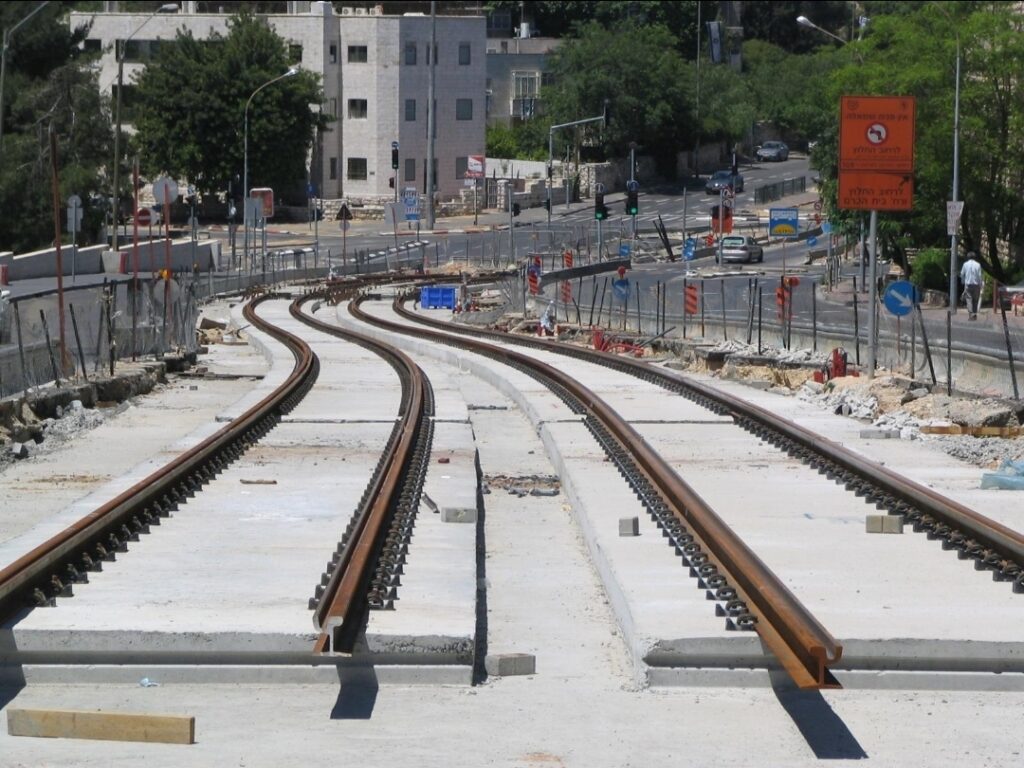
Jerusalem’s light rail network is expanding as well. The first section of the Green Line opened to
passengers in August 2026, connecting HaTurim with Malha, while additional sections of the network
remain under development.
For American families considering a home in Jerusalem, these changes mean more choice. They also
make understanding the market increasingly important.
“Jerusalem is a remarkably nuanced real estate market,” says Yoav Ben Dayan, co-founder of
JHomes, Jerusalem Fine Realty. “Values can vary significantly within a very small area, and
properties that appear comparable at first glance may be quite different in reality. Understanding
those distinctions is essential to understanding the Jerusalem market.”
Start With the Neighborhood, But Don’t Stop There
Rehavia, Talbiya, the German Colony, Baka and Old Katamon are established residential neighborhoods
in central Jerusalem, each with its own character and mix of properties.
Within these neighborhoods, buyers encounter everything from historic Jerusalem homes to renovated
apartments, new developments and buildings undergoing urban renewal.
For someone searching from the United States, those differences are not always easy to understand
online.
“A large part of our work at JHomes is with buyers who live overseas, so we see how different the
search can look from abroad,” Yoav Ben Dayan says. “A buyer may initially focus on a
neighborhood or the size of an apartment, but once we understand how the family actually plans to
use the home, the search often becomes much more specific.”
An apartment may have the right number of bedrooms, appear to be in the right location and look
impressive in photographs. There are still important questions to answer.
Is there an elevator? Private parking? A Mamad? Storage? What is the condition of the building? Are
additions to the property properly permitted? What exactly is included with the apartment?For an observant family, there may be additional considerations.
Is There a Sukkah?
For many religious buyers, having a Sukkah can be an important part of choosing a home in Jerusalem.
A property can have a beautiful terrace without necessarily providing the type of Sukkah space a family is
looking for.
The same applies to an elevator. A building may have an elevator, but that does not necessarily mean it
operates on Shabbat.
Then there is the walk to shul.
A map can show the distance, but families who will make that walk every Shabbat and Yom Tov may also
want to understand the actual route and the community surrounding the property.
“These are questions we establish very early when we work with an overseas family,” Ben Dayan
says. “If they need a Sukkah, a Shabbat elevator or want to be within a certain walking distance of a
particular shul, we need to know that before we start showing them properties. There is no point
finding a beautiful apartment that doesn’t work for the way the family actually lives.”
New Construction or Classic Jerusalem?
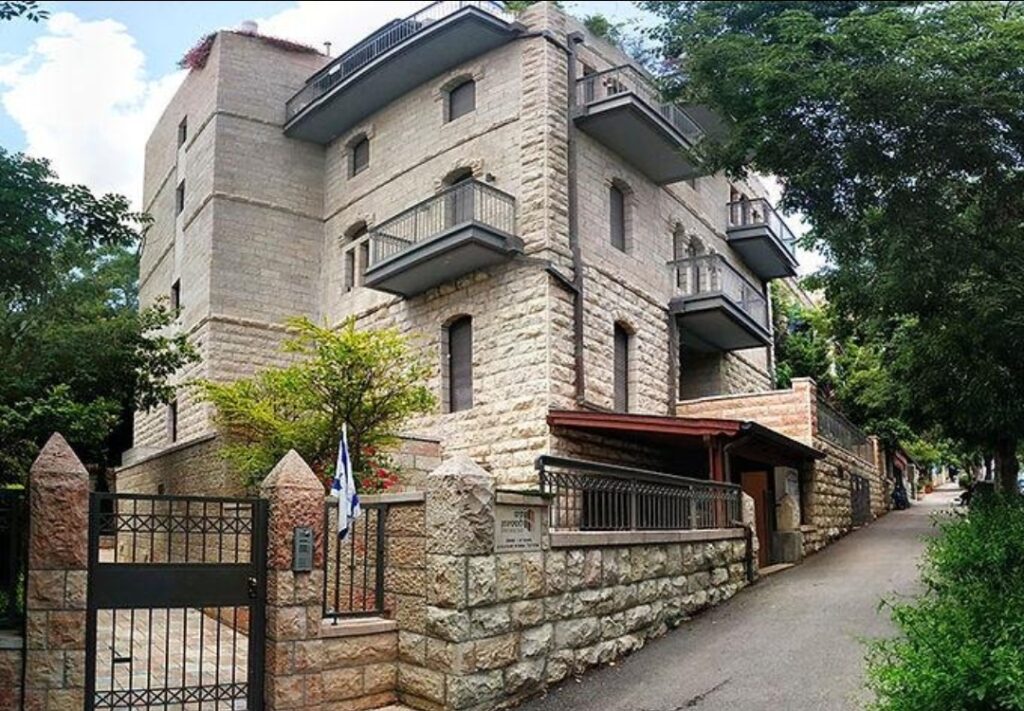
The growth in residential construction is also giving buyers more opportunities to consider newer homes
alongside Jerusalem’s older housing stock.
New construction can offer features that are less common in older buildings, including Mamads,
underground parking, modern elevators and newer building systems.
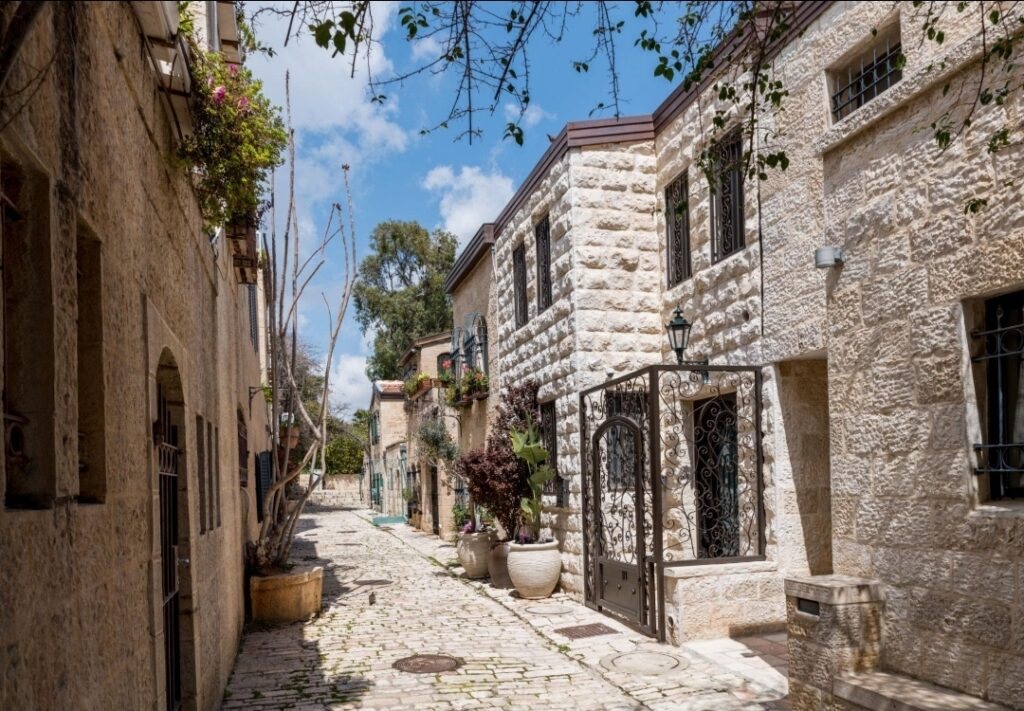
Older Jerusalem properties can offer something quite different. High ceilings, generous rooms, thick stone
walls, mature gardens and distinctive architectural details are features found in many of the city’s older
homes.
Urban renewal is creating additional possibilities as existing buildings are upgraded or replaced with new
construction.
There is no universal answer as to which type of property is better. The answer depends on the particular
property and the needs of the family buying it.
“We work with properties across these different categories, from new projects to older Jerusalem
homes,” says Yoav Ben Dayan. “Some buyers want the convenience of a new building. Others
come to Jerusalem specifically looking for character, high ceilings, a garden or the feeling of an
older Jerusalem home. Our job is not to decide which is better. It is to understand which is right for
that buyer.”
The Home You Buy for Yom Tov May One Day Become Home
American buyers may also want to consider how their use of a Jerusalem property could change over
time.An apartment initially purchased for Yom Tov, summer visits or time with children living or studying in
Israel may eventually be used for longer periods.
Family circumstances change. Children and grandchildren may live nearby. Aliyah may eventually
become a consideration.
That can affect which features become important over time.
Accessibility, an elevator, parking, the layout of the bedrooms and enough space to accommodate visiting
family may take on greater importance in the future.
“We have seen buyers begin their search thinking primarily about a second home in Jerusalem,”
Ben Dayan says. “But when we talk through the next ten or fifteen years, the conversation can
change. A property that works for a few weeks a year is not necessarily the same property you
would choose if Jerusalem may eventually become a much bigger part of your life.”
Looking beyond the family’s immediate needs can therefore be an important part of choosing a property.
Price Per Square Foot Doesn’t Tell the Whole Story
American buyers are accustomed to using price per square foot when comparing properties.
It is a useful measurement, but it does not tell the whole story in Jerusalem.
Floor level, elevator access, parking, condition, outdoor space, views, ceiling height, the number of
exposures and the quality and age of the building can all influence the value of an apartment.
Two apartments of identical size, even on the same street, may therefore be very different properties.
Certain characteristics can also be difficult to reproduce. A large Sukkah, an exceptional view, private
parking in an area where parking is limited or an unusually large garden can distinguish one property from
others nearby.
“Price per square meter is a useful reference, but it can be misleading when used on its own,” Yoav
Ben Dayan says. “In Jerusalem, value is often found in the details. The floor, the light, the view, the
outdoor space, parking, the character of the building and even the position of an apartment within
the building can make a significant difference. Two homes on the same street, with almost identical
square footage, can be very different properties and should not necessarily be valued the same
way.”
More Choice Means Asking Better Questions
Jerusalem’s residential landscape is changing, giving buyers a wider range of properties to consider.
For American Jewish families, the choices can include new developments, renewed buildings and classic
Jerusalem homes, each offering something different.
The important questions go beyond size and price.
Where will the family daven?
Is there a Sukkah?Does the building have a Shabbat elevator if one is needed?
Will the apartment work for the family today and in the years ahead?
What exactly is included with the property?
And does the asking price make sense for this particular home?
Jerusalem is changing and buyers have more choices to consider. Yet choosing the right home still
requires understanding the differences that cannot always be seen in a listing or reduced to a price per
square foot.
Yoav Ben Dayan is co-founder of JHomes, Jerusalem Fine Realty, a boutique Jerusalem real estate
agency focused on residential properties in central Jerusalem and working extensively with
overseas buyers.