
Ask Aviva: Your Questions On Beauty, Aging, And Plastic Surgery—Answered
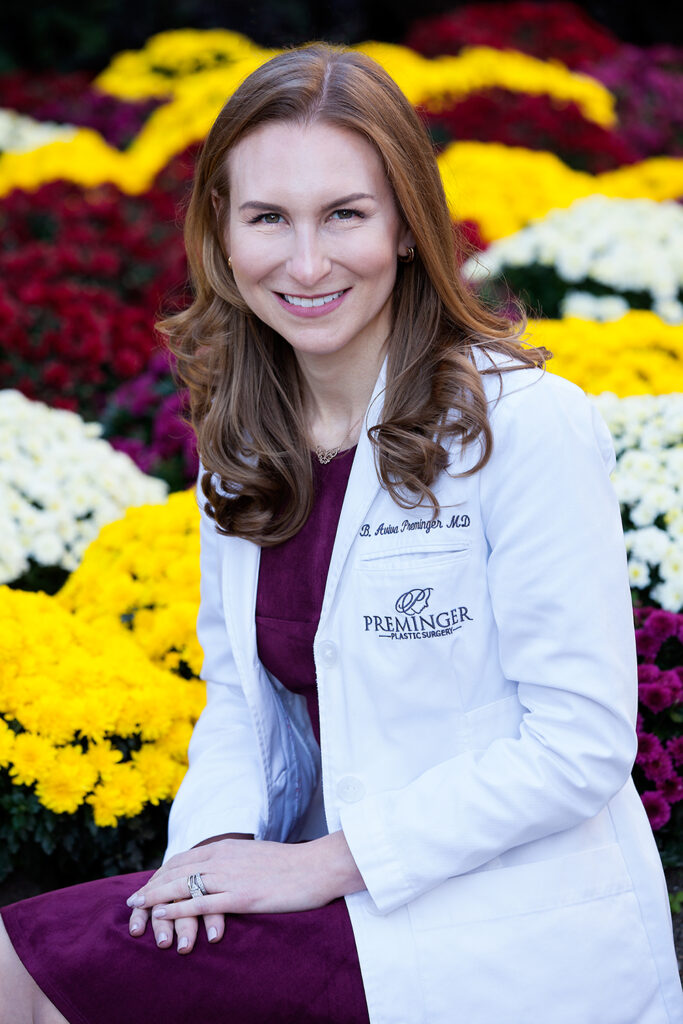
reBy B. Aviva Preminger, MD, MPH, FACS
“I want to get a facelift, but I’m afraid it will look unnatural.”
This is one of the most common concerns I hear, and it’s completely understandable. We’ve all seen over-pulled, wind-swept results that make people fear that any facelift will dramatically alter their appearance. But, here’s the truth: a well-performed facelift should never look like a facelift. Believe it or not, many of the overdone looks we used to see were actually requested by patients because having a facelift was considered a status symbol.
Modern techniques focus on lifting the deeper structures of the face, not stretching the skin. That means restoring volume and repositioning tissues to where they were ten or twenty years ago—not creating something new or different. My goal with every patient is to have their friends say, “You look amazing—did you change your hair?” rather than “Who did your face?” You should still look like yourself, just refreshed.
If you choose an experienced surgeon who prioritizes natural aesthetics, your appearance should remain unmistakably you, just rested, and rejuvenated.
“I’m afraid or not ready for surgery. What nonsurgical options exist for aging?”
You are far from alone. Many people aren’t ready for surgery, and others simply don’t need it yet. Fortunately, we have an entire toolbox of nonsurgical treatments that can meaningfully slow or soften signs of aging.
Some effective options include:
Injectable fillers to restore lost volume in the cheeks, jawline, and under-eye area.
Biostimulatory injectables like Radiesse that gradually build collagen for subtle, long-lasting improvement.
Neuromodulators (Botox, Dysport, etc.) to soften lines and prevent deeper wrinkles.
Energy-based treatments such as radiofrequency tightening and laser resurfacing to improve skin texture, firmness, and pigmentation.
Medical-grade skincare, especially retinoids and growth factors like PRP, to maintain collagen and slow further aging.
These therapies don’t replace surgery forever, but they can delay the need for it and keep you looking your best in the meantime. Think of them as maintenance—gentle, steady ways to preserve youthful structure and skin quality.
“I’ve heard that if you have liposuction of one area, fat will accumulate somewhere else. Is that true?”
This is a popular myth, but here’s the scientific explanation: adults have a fairly fixed number of fat cells. When we perform liposuction, we permanently remove some of those cells in a targeted area.
Afterward, if a person gains weight, the remaining fat cells in the body can grow—but fat does not shift or migrate to a new location. What actually happens is this: the areas that were treated tend not to enlarge as much as the untreated areas, so the untreated sites may appear to grow more noticeably.
In other words, liposuction doesn’t cause fat to move; it simply changes the body’s proportions if weight is gained afterward. If you gain significant weight, it has to go somewhere, but it may be less likely to go to the stubborn areas it went to in the past. Maintaining a stable lifestyle helps preserve the beautiful contouring results.
Do you have more questions? Ask Aviva…I will answer!
If you have a question for a future column, send it in to [email protected].
We all deserve clarity, empowerment, and honest education when it comes to aging beautifully and feeling our best. n
Preminger Plastic Surgery is committed to educating patients and providing personalized care tailored to their unique needs. For those considering plastic surgery, Preminger Plastic Surgery offers guidance every step of the way to help you achieve your aesthetic and wellness goals. Dr. Preminger is a board-certified plastic surgeon with degrees from Harvard, Cornell, and Columbia.
For more information or to schedule a consultation, please visit PremingerMD.com or call 212-706-1900.