
A Portable Existence
Last Shabbos, while visiting Los Angeles, I found myself seated around a table with people I had never met. There were Jews from England, Iran, South Africa, Israel, and across the United States. We came from different countries, spoke with different accents, and had followed very different paths to arrive in Los Angeles that weekend. When we began to sing “Shalom Aleichem,” I was moved by how these varied accents melded into one harmonious tune. Despite our apparent differences, it was clear to me how much we shared.
As often happens around a Shabbos table, the conversation quickly moved beyond small talk. We spoke about our families, our communities, and inevitably about what it means to be Jewish today. One by one, people shared stories of the atmosphere in the places they call home. A family from England described how dramatically life had changed for Jews over the past two years. A woman who immigrated from Iran just ten years ago reflected on how affluent the Jewish community there had been and how hard it was for her to leave. Another guest from South Africa spoke about watching political and social currents shift in ways that made people quietly wonder what the future might hold. Although the details differed, the themes were remarkably familiar.
As I listened, I found myself thinking less about current events and more about my own grandparents. They fled Europe during the Holocaust. Like so many survivors, they rebuilt their lives from almost nothing, relieved to escape with their lives. I remember my grandfather retelling his story of escaping Vienna by train with his mother’s diamond ring and his father’s pocket watch taped beneath his seat. My brother, now a dentist in the Five Towns (“The other Dr. Preminger”), inherited that watch. Unfortunately, there was little else to pass down. While my grandparents could not reclaim the homes, businesses, and possessions they had lost, they left their children and grandchildren something far more enduring: a way of thinking about the world that Jews seem to learn over and over again with each generation. That message seemed unnecessary when I was growing up in the 1980s and 1990s but resonates with me today.
Growing up, I heard the same advice repeatedly. Learn a profession that you can carry with you. Become a doctor, a lawyer, an accountant, an engineer, something no government can confiscate, a skill that you can transport across borders. If the message wasn’t explicit, it was certainly implicit. At the time, it felt like wisdom from another era, born from experiences I hoped my generation would never need to understand.
I chose surgery because I loved it, but looking back, I realize that my family’s history undoubtedly shaped that choice as well. Surgery is a profession that transcends geography. Human anatomy is the same whether you are practicing in New York, London, Johannesburg, Tel Aviv, or Los Angeles. The skills acquired through years of training travel with you. They become part of who you are. Medicine is its own language, and an operating room is an operating room anywhere in the world.
Until recently, my parents’ advice felt almost quaint, a relic of history rather than a guide for the future. Yet in today’s world, with antisemitism once again rising across much of the globe, those conversations no longer feel theoretical. Jewish families quietly find themselves discussing where they would go if circumstances changed, whether their children’s professions would allow them to rebuild elsewhere, and what it really means to create security. They are conversations born not of panic, but of memory. These days, with two kids about to start college, I find myself wondering about the professional choices they will make and how I should guide them.
The dinner at Chabad reminded me that the Jewish people have always lived with one foot rooted in tradition and another prepared for uncertainty. Around that table were people whose families had already lived through upheaval, migration, and reinvention. Despite our different backgrounds, we all seemed to understand the same unspoken lesson.
I hope my children and future generations never need to think about whether their careers are portable. I hope they travel only for opportunity, adventure, and simchas. But I also hope they understand why their great-grandparents and grandparents placed such extraordinary value on education, professional excellence, and lifelong learning. Those are possessions that cannot be stolen, frozen, or left behind.
Perhaps that is one of the quiet secrets of Jewish survival. We have always invested in Torah, education, and transportable professional skills because they can travel with us. My grandparents understood that lesson from painful experience. Sitting around a Shabbos table in Los Angeles, listening to Jews from around the world tell their stories, I realized that the wisdom of my parents and grandparents is not simply part of our past.
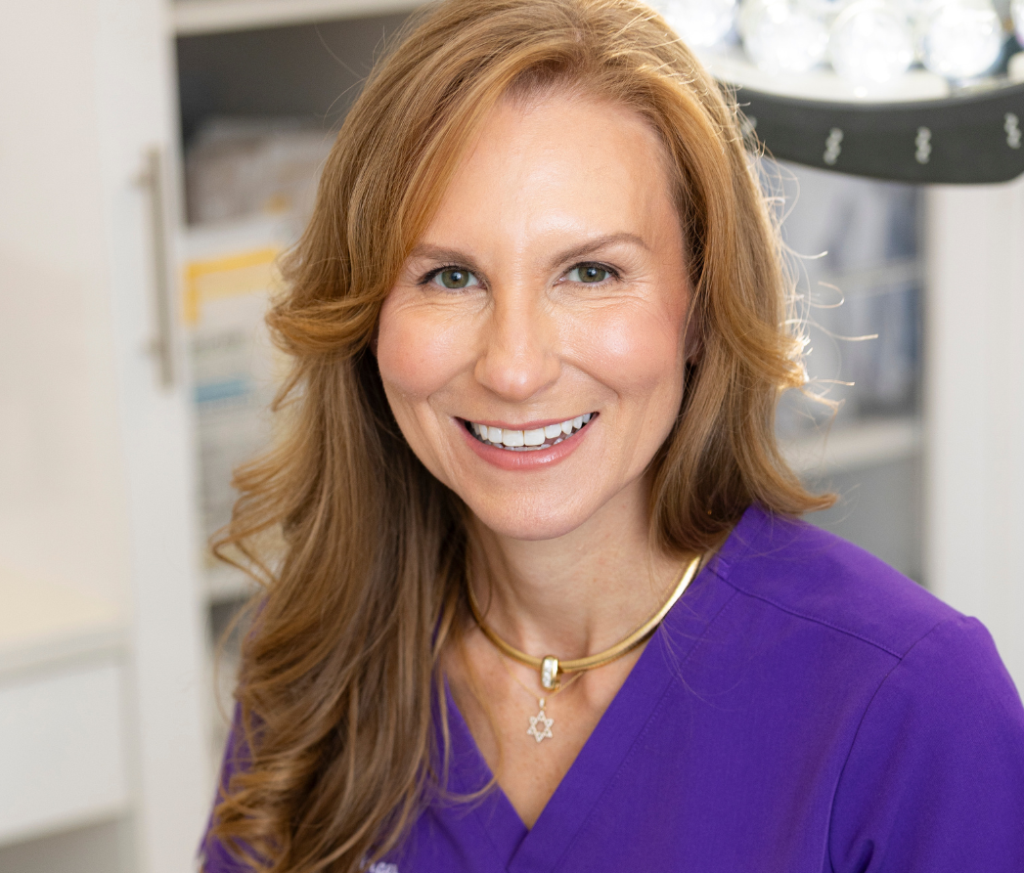
At Preminger Plastic Surgery, we are committed to educating our patients and providing personalized care tailored to their unique needs. For those considering plastic surgery, we offer guidance every step of the way to help you achieve your aesthetic and wellness goals. Dr. Preminger is a board-certified plastic surgeon with degrees from Harvard, Cornell, and Columbia.
For more information or to schedule a consultation, please visit premingermd.com or call 212-706-1900. Follow us on Instagram @premingerplasticsurgery.