
Some Thoughts On Yehuda Katz, OBM
By: Sivan Rahav Meir
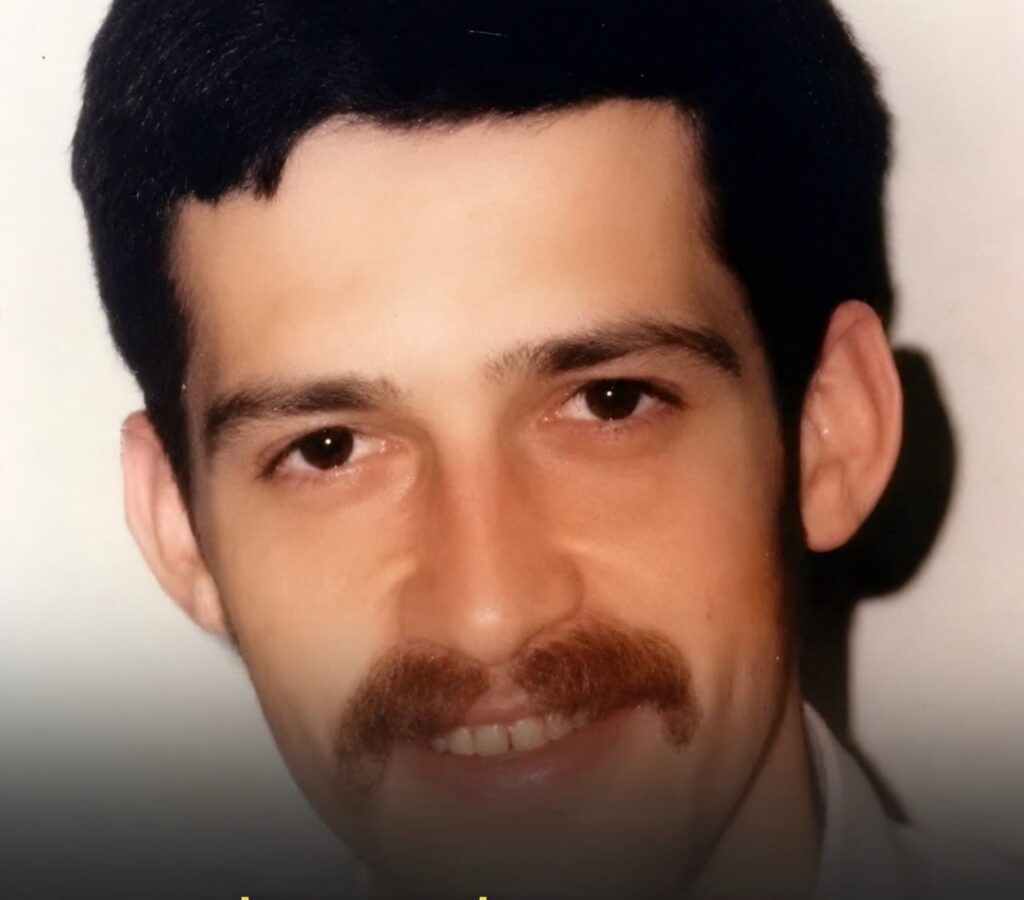
After 44 years, Sgt. First Class Yehuda Katz was finally laid to rest on Jerusalem’s Mount of Olives after being missing in the First Lebanon War. This sentence is worth reading twice.
But there’s more. In the very week when Yehuda was brought to burial, the Torah portion spoke about the mitzvah of Hashavat Aveidah, returning a lost object. Our commentators explain that the basic obligation is to return something that has been lost to its owner. But there’s a broader idea here as well: to restore a missing object to its proper place, whether a body, soul, or our people. To restore what has been lost in every sense.
The Torah expresses this concept in these profound words: “You may not ignore it.” Indeed, the Jewish people did not look away. Even after decades have passed, when the search was difficult, we did not say: “It’s gone, it’s hopeless.”
This is also an opportunity to thank the many unsung heroes who made this possible.
The Torah continues: “And so shall you do with anything your brother loses.”
Quite literally last week a lost brother came home to be buried in the soil of the Land of Israel. That moving commitment to those who are missing should shape the way we approach every aspect of life.
May we continue to notice what is missing, to search, to restore, and never give up on what has been lost. May we be instrumental in returning everything to its rightful place even after all hope seems to be gone.
{Selichot at the Kotel
It took me a few seconds to realize who was standing beside me.
I was in the women’s section on the balcony overlooking the Kotel plaza, watching the enormous crowd that came for Selichot. Next to me stood Noa Argamani, who was rescued from captivity in Gaza in Operation Arnon, and Mrs. Ziv Abud Cohen, who survived the Nova festival massacre and was married last week to Eliya Cohen, himself a returned hostage.
Both women were deeply absorbed in the Selichot prayers, and I didn’t want to disturb them.
I looked across at the men’s section. Leading the service was Rabbi Shmuel Rabinowitz, rabbi of the Kotel and the mekomot hakedoshim. Around him stood Eliya Cohen, Omer Shem Tov, Itay Regev, and Bar Kupershtein. All of them had been held in Hamas tunnels and now all of them were here, siddurim in hand, reciting Selichot with great emotion.
“Aneinu, Adon HaSelichot.” Every word suddenly carried another layer of meaning. Then the chazzancried out: “Our G-d in Heaven, redeem us from the hands of all our enemies!”
And I looked at them—men and women who had actually been redeemed from the hands of our enemies. That, I thought, was the message of this extraordinary evening: Sometimes you can actually see prayers being answered before your eyes.
I remembered all the mass prayer gatherings held for these former hostages, here and all over the world. I remembered their names being recited through tears.
But the story doesn’t end there.
Suli Eliav, director of the Kotel Heritage Foundation, happened to pass by. He opened his siddur and showed me the words that come a little later: “Our G-d in Heaven, bring the redemption near! Our G-d in Heaven, bring the day of salvation near!”
“This is the goal,” he told me. “Geulah, yeshua. I think we all need to dream bigger. Look around you. There are 50,000 people here, most of them young. And young people are filling shuls all over the country. The Jewish people suffered a terrible blow. We paid a high price. But something else is happening too: We are rising to another level. We are finding our way back to ourselves.
“So yes, we are grateful. We are moved. But we can’t stop there. We need to dream big—the biggest dreams of all. We need to believe, to aspire, to pray, and to act. “May we merit to see all our prayers come true before our eyes.”
{A New Look at the 13 Attributes of Mercy
Since the beginning of Elul, hundreds of thousands of people have been coming every night to recite the Selichot prayers. At the heart of Selichot is the Thirteen Attributes of Mercy. People cry, pray, sing, and proclaim again and again these words that describe the way Hashem governs the world. How He is merciful and gives sinners second chances, how He treats us with compassion. These words were first introduced after the sin of the Golden Calf when we expressed remorse for our sin and merited forgiveness.
When our Sages discuss Hashem’s Thirteen Attributes of Mercy, they emphasize a different point: We recite these words not only to declare how compassionate and gracious Hashem is, how much He pardons and forgives us, but also so we can learn to imitate His ways. Hashem is teaching us to emulate Him—to do acts of loving kindness and to be more accepting of others. The way we judge others is the way we will be judged by Hashem. G-d mirrors our behavior.
Therefore, it is important that we not only recite the Thirteen Attributes of Mercy, but that we strive to emulate these attributes in our own lives.
May we learn to forgive others and to merit our own forgiveness.
Translated by Yehoshua Siskin and Janine Muller Sherr
Want to read more by Sivan Rahav Meir? Google The Daily Thought or visit sivanrahavmeir.com.