
Is AI Going To Take My Job As A Plastic Surgeon? Why I Don’t Think It Will
By B. Aviva Preminger, MD, MPH, FACS
Artificial intelligence is everywhere right now. It writes essays, analyzes images, predicts trends, and can even generate remarkably realistic faces with the click of a button. So it’s a fair question—and one I hear increasingly often from patients and colleagues alike: Is AI going to take your job as a plastic surgeon?
My answer is no. And not because AI isn’t powerful—it is—but because plastic surgery is fundamentally human in ways that technology cannot replace.
Recently, I saw the Broadway show Maybe Happy Ending, a story centered on robots designed to serve human needs. What stayed with me long after the curtain came down was not the technology itself, but what the show quietly reveals about it: even the most advanced robots can simulate connection, but they don’t truly experience it. They can follow scripts, but they don’t possess intuition. They can be programmed to respond, but they don’t carry responsibility, memory, or moral weight.
That distinction matters deeply in medicine—and especially in plastic surgery.
AI excels at pattern recognition. It can analyze thousands of faces, measure symmetry, simulate outcomes, and generate recommendations based on enormous datasets. These tools are already useful, and I welcome them as adjuncts. But plastic surgery is not about producing a mathematically ideal face or body. It’s about understanding this patient, at this stage of life, with this anatomy, psychology, history, goals, and set of expectations. That kind of understanding does not come from data alone.
A consultation is not simply an exchange of information. It is an intimate conversation. Patients often come in asking for one change, when what they truly need—emotionally or surgically—is something else entirely. Reading hesitation, sensing unspoken fear, knowing when to advise against surgery, and helping a patient articulate what they really want require judgment, empathy, and restraint. These are skills developed over years of caring for people, not outputs generated by an algorithm.
There is also the matter of hands. Surgery is tactile and dynamic. No two bodies are the same, and no operation unfolds exactly as planned. Surgeons make countless small decisions in real time—based on tissue quality, healing potential, and experience—that cannot be preprogrammed. AI can assist in planning, but it cannot replace the feel, adaptability, and instinct that come from decades in the operating room.
Perhaps most importantly, plastic surgery is built on trust. Patients place their faces, their bodies, and often their vulnerabilities in our care. That trust develops over time—through follow-up visits, longitudinal care, and a shared understanding of how someone is aging and changing. AI can offer information, but it cannot build relationships or take responsibility for outcomes.
From a Jewish perspective, this resonates deeply. We believe that humans are partners in creation, entrusted with wisdom, compassion, and moral discernment. Tools—even powerful ones—are meant to enhance human judgment, not replace it. Technology can support healing, but it cannot substitute for conscience, accountability, or care.
So will AI change plastic surgery? Absolutely. It already has, and largely for the better. But replace the plastic surgeon?
I don’t think so.
Because plastic surgery isn’t about perfection—it’s about people. And people still need people.
At Preminger Plastic Surgery, we are committed to educating our patients and providing personalized care tailored to their unique needs. For those considering plastic surgery, we offer guidance every step of the way to help you achieve your aesthetic and wellness goals.
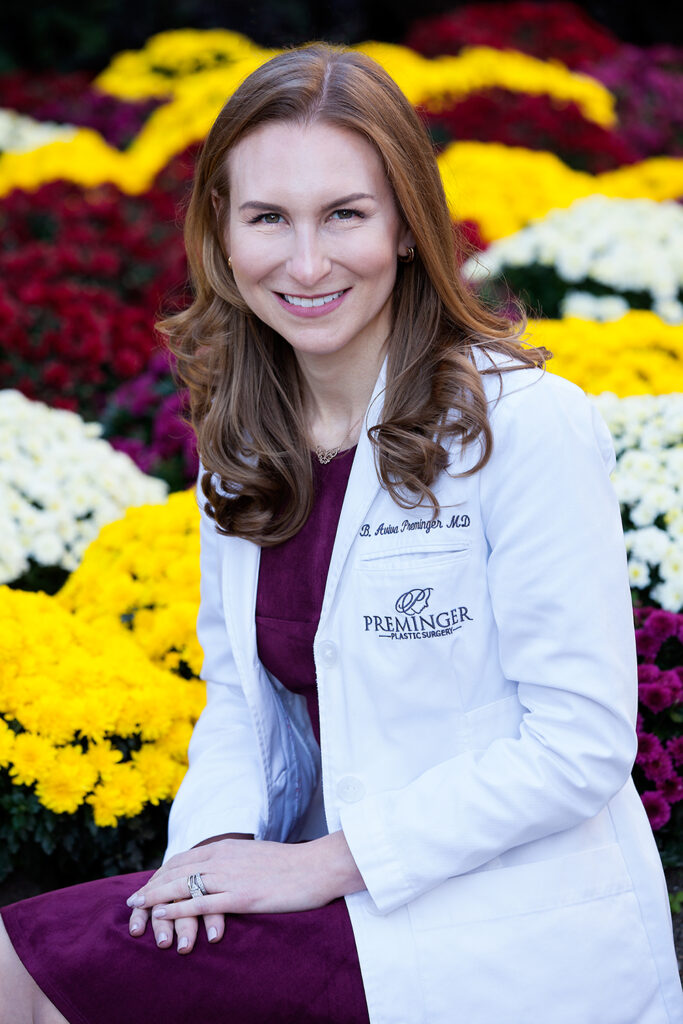
Dr. Aviva Preminger is a board-certified plastic surgeon with degrees from Harvard, Cornell, and Columbia. For more information or to schedule a consultation, please visit PremingerMD.com or call 212-706-1900.