
Lost In Translation: When Doctors Speak A Different Language
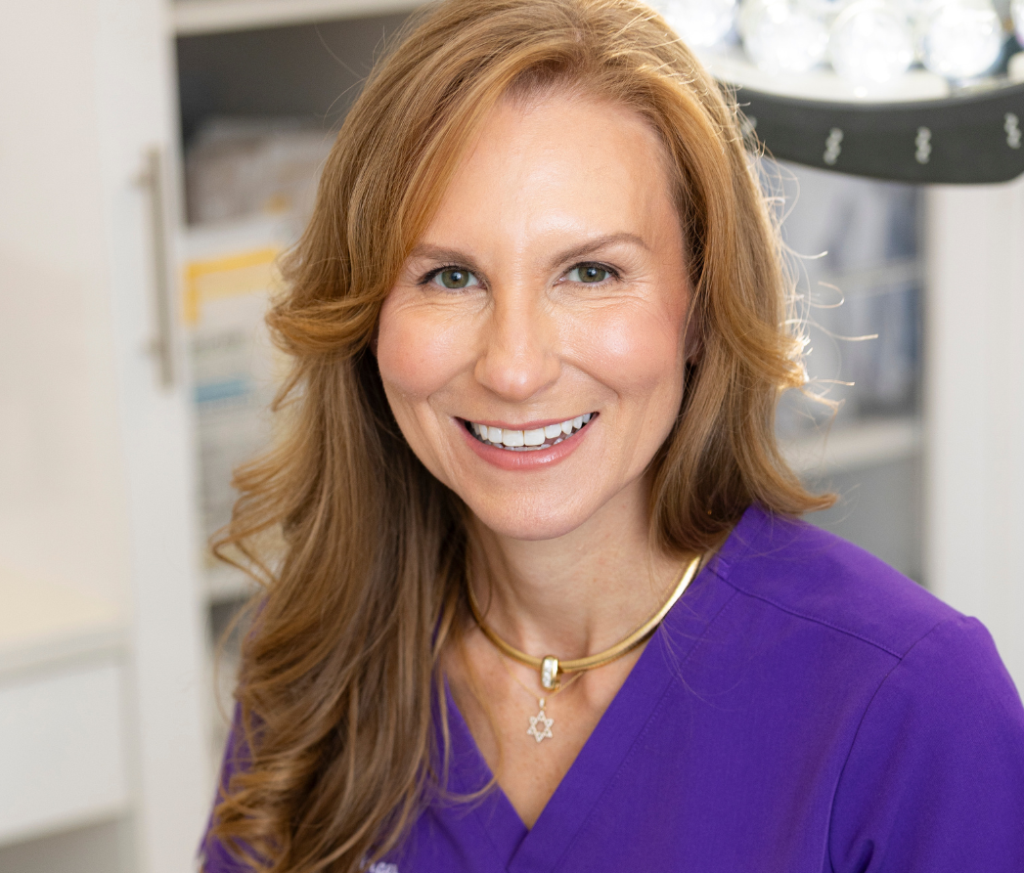
By: B. Aviva Preminger, MD, MPH, FAC
One of the greatest ironies in medicine is that we spend years learning how to communicate with one another, and often spend very little time learning how to communicate with our patients. Walk into any hospital conference room and you’ll hear a language that sounds almost foreign. Physicians discuss “bilateral periorbital ecchymosis,” “postoperative edema,” “benign neoplasms,” and “elective procedures.” We speak in abbreviations and acronyms. We round on patients and discuss differential diagnoses, imaging findings, and treatment algorithms. It becomes second nature. The problem is that after years of training, we sometimes forget that our patients never went to medical school.
I grew up taking this language for granted. My father is a surgeon, and he and I speak our own language freely. I take it for granted that he understands what I am saying. When I get together with my doctor friends, we often revert to using that very same language. The truth is that we don’t even realize what we are doing until someone without a medical background tries to enter the conversation or looks at us quizzically. I recently commented to a non-medical computer programmer friend of mine about how curious I found this all to be, and he responded by pointing out that I similarly would not be able to understand the computer code that he edits. I chuckled at his point, recognizing how right he was.
As physicians, we become so fluent in the language of medicine that we don’t always realize when we’re speaking over someone’s head. We explain a procedure and feel confident that we’ve been thorough. The patient nods politely. Then they leave the office and tell a spouse or friend, “I’m not really sure what the doctor said.”
This is true in all fields of medicine, including plastic surgery. A patient may come in for a consultation and hear terms like “mastopexy,” “abdominoplasty,” “blepharoplasty,” or “liposuction of the flanks.” To me, those words are routine. I’ve used them thousands of times. To a patient, they might as well be a foreign language.
Even terms that seem simple to physicians can create confusion. Patients frequently tell me they want a “mini tummy tuck” without understanding what actually qualifies as one. Others ask for a “deep plane facelift” because they saw the term on social media, not realizing that they may not understand what distinguishes one technique from another. Sometimes patients request procedures they don’t actually need because they’ve learned the vocabulary without learning the meaning behind it.
The communication gap extends far beyond plastic surgery. Every physician has experienced the patient who agrees to a treatment plan but leaves without fully understanding the diagnosis. Studies have repeatedly shown that patients often retain only a fraction of what is discussed during a medical visit.
The challenge becomes even greater when fear enters the equation. A patient hearing the word “biopsy” may only hear the possibility of cancer. Someone told they need “reconstruction” may imagine something entirely different from what the surgeon is proposing. Anxiety has a way of drowning out information.
This is one reason why medicine is both a science and an art. The science involves knowing what treatment to recommend. The art involves explaining it in a way that another human being can understand.
As surgeons, we spend years mastering anatomy, surgical techniques, and complication management. Yet some of the most important moments in patient care occur long before anyone enters an operating room. They happen during conversations. Can we explain a diagnosis without jargon? Can we recognize when a patient is too overwhelmed to absorb information? Can we create an environment where people feel comfortable asking questions?
After years in practice, I have come to appreciate that some of the most meaningful conversations are not the ones in which I demonstrate how much I know. They are the ones in which I remember what it felt like not to know.
The language of medicine is important. It allows doctors to communicate with precision and efficiency. But the language that matters most is the one our patients actually understand. Because ultimately, medicine is not about speaking to charts, scans, or diagnoses. It’s about speaking to people.
At Preminger Plastic Surgery, we are committed to educating our patients and providing personalized care tailored to their unique needs. For those considering plastic surgery, we offer guidance every step of the way to help you achieve your aesthetic and wellness goals. Dr. Preminger is a board-certified plastic surgeon with degrees from Harvard, Cornell, and Columbia.
For more information or to schedule a consultation, please visit premingermd.com or call 212-706-1900. Follow us on Instagram @premingerplasticsurgery.