Safe Space: You Don’t Have To Hit Rock Bottom
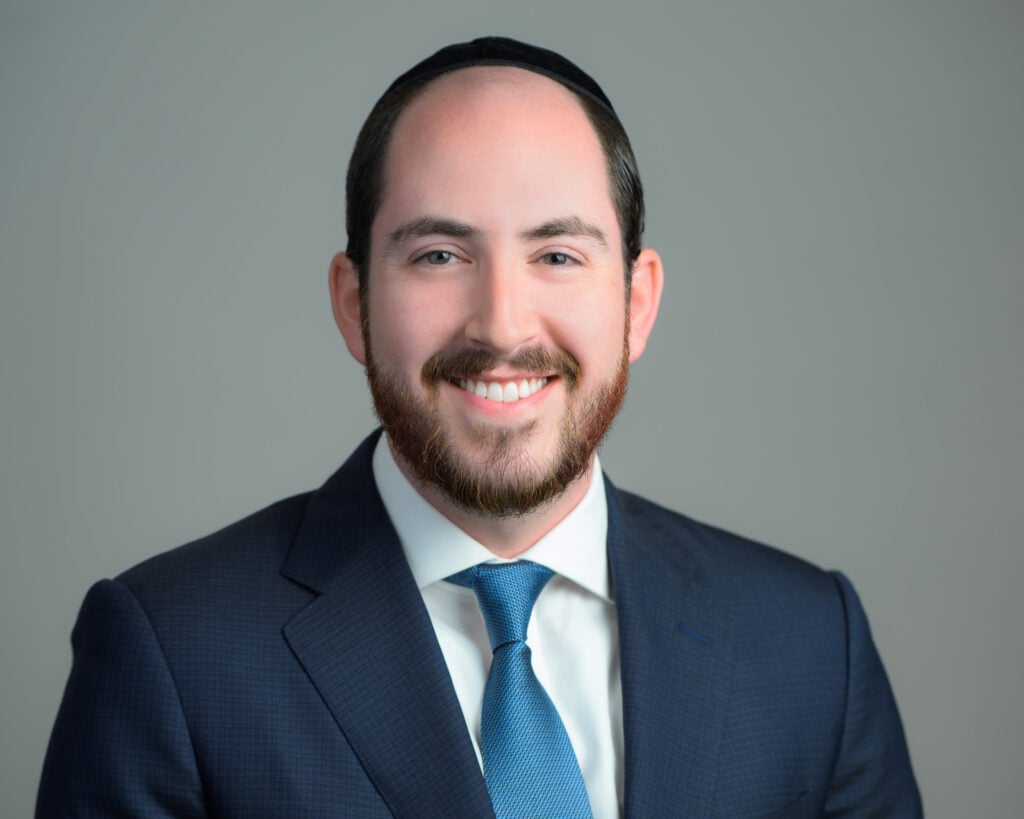
By: Jessica Steinmetz, LMHC, CASAC-G
Question:
My father had surgery about two years ago and was prescribed painkillers. He’s not in pain anymore, but he’s still taking them. I don’t think the rest of my family sees it—or they do and don’t want to deal with it. He’s still functional, still shows up for everything, but something feels off to me. I don’t want to cause a fight or embarrass him. Do things have to get a lot worse before this is considered a real problem?
Answer:
No. And the fact that you’re asking may be the most important thing that happens this week.
This time of year, people are turning their homes inside out for Pesach. Every cabinet, every corner. And sometimes in the middle of it all, something else comes to the surface: a question that’s been sitting internally for months. Is this actually a problem? Am I making too much of this? Do I have to wait until something falls apart before anyone takes it seriously?
You don’t, and I want to explain why.
There’s a stubborn belief in our community and beyond that addiction has to reach a dramatic low point before it’s taken seriously. That a person has to lose something significant, embarrass the family, or hit some visible wall before anyone is justified in stepping in. Until then, you wait. You give it time, and you hope it works itself out. That belief has caused tremendous harm.
People who address a problem early, before the visible damage, do meaningfully better than those who wait. They have more stability, more of their health and relationships intact. The earlier someone gets help, the better the outcome tends to be. Patterns that have been running for two years are easier to shift than patterns that have been running for ten. And the longer someone manages a dependency on his own, the more of his life gets organized around it—the hiding, the sourcing, the covering—until it feels impossible to imagine things any other way.
Waiting doesn’t protect anyone. It just lets the pattern dig in deeper.
Prescription medication occupies a complicated place. It starts with a doctor. It starts with a real injury, real pain, a real reason. That origin story makes it much harder to name what’s happening when the reason is gone but the use continues.
People tell themselves (and others tell them) that it’s different from a real addiction because it’s medical. But dependence doesn’t ask how it started. The brain adapts to opioids the same way regardless of whether the first pill came from a pharmacy or somewhere else. Over time, the body requires more to feel the same effect, and stopping becomes genuinely difficult, not a matter of willpower, but of physiology.
What often gets missed is the shift. The moment when the medication stopped treating pain and started treating something else, like anxiety, stress, and the discomfort of everyday life—that’s when the shift occurred. That shift can happen gradually enough that the person taking pills hardly notices it. But the people close to him often do. They notice the mood changes, the guardedness, the way certain questions get deflected, and the sense that the person they know is slightly somewhere else.
If your father no longer has pain but can’t stop taking pills, that’s the definition of dependence. It doesn’t require a formal diagnosis or to hit rock bottom. It requires attention, and it responds to help.
You don’t need your father to agree there’s a problem before you get support. You don’t need the rest of the family to come around first. You don’t need to wait until he’s ready or until something breaks open in a way that can’t be ignored. Your instinct that something is wrong is real information and it deserves to be taken seriously.
Not to commit to anything. Not to stage an intervention or blow up your family. Just to talk to someone who understands this. Someone who won’t judge you or him, and who can help you figure out what you’re actually looking at. Many people call us before they’ve even said any of this out loud to anyone else. That’s the right time to call.
One conversation. Completely confidential. No obligation, no pressure, no agenda beyond helping you get clarity.
Pesach is a holiday about not waiting. Bnei Yisrael didn’t leave Mitzrayim once everything was figured out. They left because staying had become impossible, and they moved before they could see where they were going.
You don’t have to know what you’re dealing with to make the call. That’s exactly what the call is for.
If you or someone you know is struggling or has questions about gambling, substance use, or habits that feel harder to control than they should, support is available.
Questions may be submitted anonymously to [email protected]; selected questions will be addressed in future columns. For confidential support, call (718) GET-SAFE.
Jessica Steinmetz, LMHC, CASAC-G is the clinical director of The Safe Foundation, an outpatient treatment program licensed by NYS OASAS and NJ DMHAS, providing confidential, professional services for individuals and families affected by substance use and gambling disorders. We offer respectful and culturally sensitive support delivered with a deep understanding of the values and dynamics that shape the communities we serve.