
Musings Of A Shliach From Montana
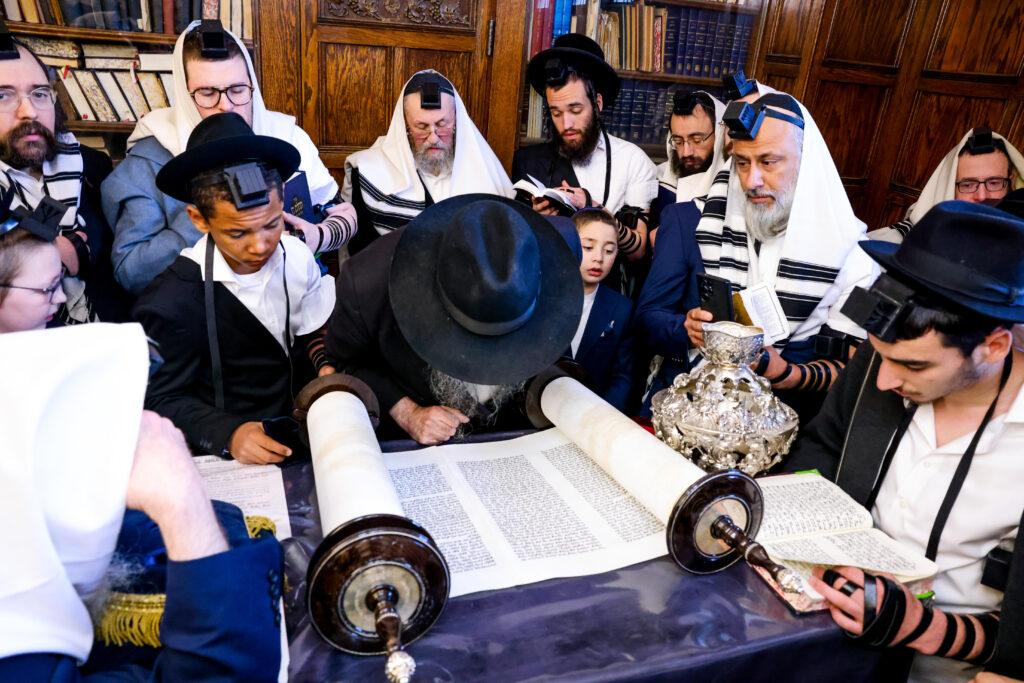
There are moments in life that create unforgettable memories while invoking a deep sense of gratitude. Last week was one of such moments when Chavie and I celebrated our son Menny’s bar mitzvah.
Menny’s formal celebration in Bozeman will be on Lag B’Omer, as we wanted to celebrate with live music as is fitting for a Chassidishe bachur, especially for a kid who loves music and has the moves. But his actual birthday, the “Bo Bayom,” was the 5th of Iyar. To honor that special day, Menny and I flew to New York for two days of holiness, spirituality, growth, and of course good food and fun times. Watching a child grow through various stages of life, ups and downs, and reaching a special milestone, is worthy of inner joy and special experiences. In short, our trip was epic.
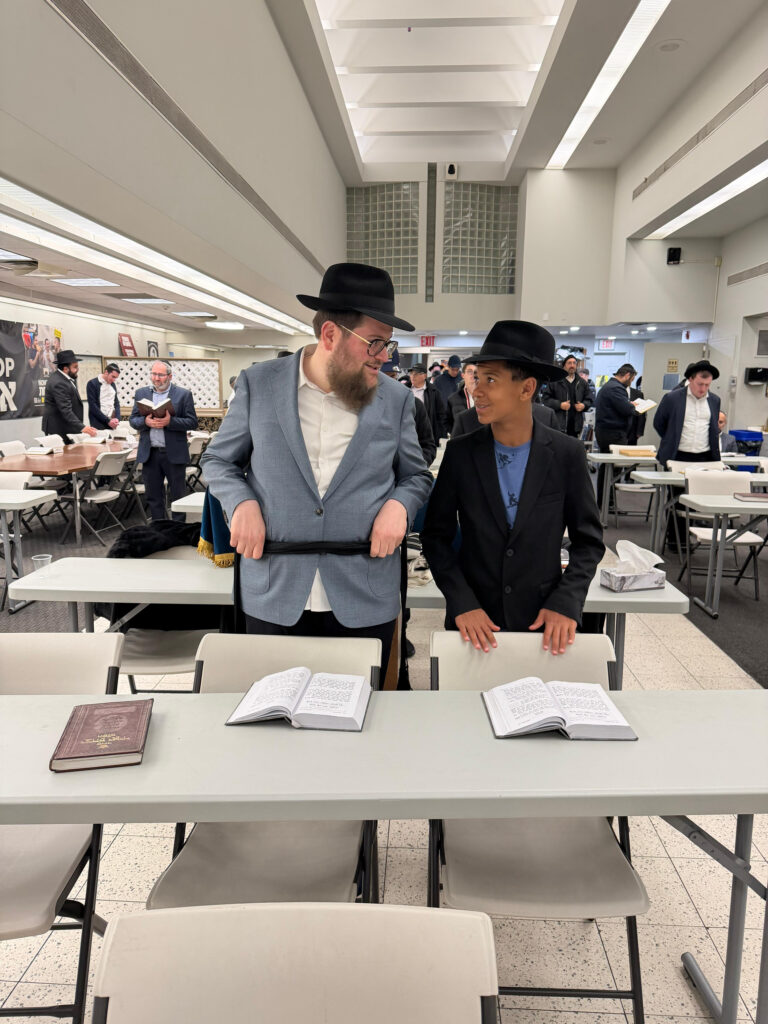
We ate at wonderful eateries (Anju in Cedarhurst and The Loft in Boro Park are two of my favorites), and spent time with family and friends. But the trip was mostly focused on the holiness embedded in the day. So, on the night of his bar mitzvah, with inspiration from my “brother from another mother” Daniel, we davened at the Hachaim Vehashalom Beis Midrash in Cedarhurst, where Menny recited his first Krias Shema D’Oraysa, his first biblically mandated Shema as a mechuyav b’mitzvos. It was beautiful for him to be in a shul packed with Jews of all flavors and to be submerged in that kedushah.
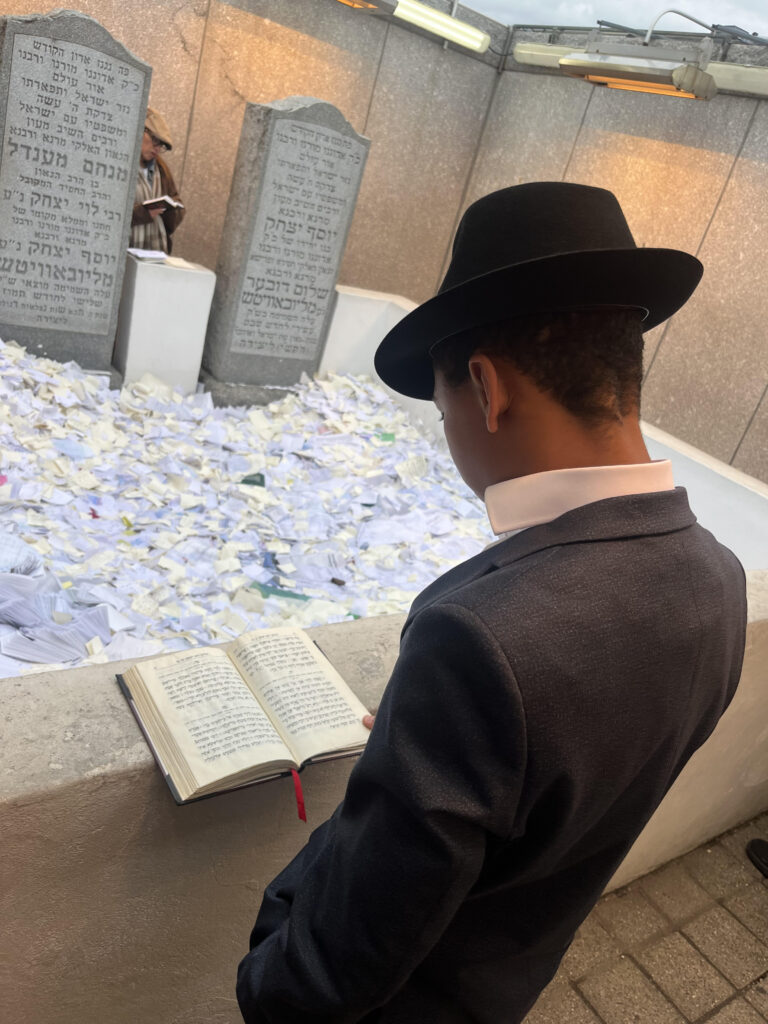
On the morning of his bar mitzvah, we went to the Rebbe’s Ohel in Cambria Heights where we first immersed in the mikvah, then davened Shacharis where Menny recited his first berachah on laying tefillin as a man. Menny also wrote a “kvittel” (a note to brought to the Rebbe’s resting place), gave tzedakah, entered the Ohel, and recited Tehillim. We also visited the grave of Rebbetzin Chaya Mushka of blessed memory, and then paid a visit to my mother’s kever, all of which created a very special vibe of bonding on the auspiciousness of the day. The next morning, Thursday, Menny had the zechus of having his first aliyah in the Rebbe’s private study at 770 Eastern Parkway, a room that was the central command for the Jewish world and the revolution of light for over forty years.
He recited the berachos on the Torah beautifully and we were blessed that my father (Menny’s Zayde) was there for that special moment. Then we grabbed some food and headed to La Guardia for the two-flight journey back to Montana. It’s a shlepp to go from Montana to New York, but moments like these cannot be replicated and the holiness is real. Menny is fun, sociable, affable, super charming, and always on the move. Yet during the trip I found him to be attentive and understanding about the realness of the moment and I’m sure the specialness of the bar mitzvah trip will be etched in his mind and heart forever.
Menny has a beautiful neshamah and loves his Jewish identity, but it’s a struggle to live in Montana surrounded by non-Jewish friends. He also loves everything soccer-related, and the fact that so many games and competitions are on Shabbos makes it hard. It’s our hope that for eighth or ninth grade, we can find him a mesivta that operates out of the box and would be willing to help him grow in his Jewish journey as a frum kid while giving him room to focus on sports and life skills.
While it’s Sefirat HaOmer and Shehecheyanu isn’t recited, it doesn’t affect us too much because in Chabad we don’t recite Shehecheyanu on a bar mitzvah. Yet, whether it’s said as a formal berachah or not, Chavie and I are very much in the Shehecheyanu mode, thanking Hashem for reaching this moment in good health and praying that we continue to see spiritual growth and garner nachas from each facet of our children’s journeys.
It turns out that the mitzvah of counting the Omer is in our parashah, Emor, and there is an interesting discussion on the topic of Sefirat HaOmer and Shehecheyanu.
Many Rishonim discuss why we don’t recite Shehecheyanu on counting the Omer like other mitzvos that only show up occasionally. Why is Sefirat HaOmer different? The Maharal writes two reasons for this: 1) Sefirat HaOmer is like a “Hechsher Mitzvah,” a preparatory action taken to reach the actual moment of completion, which is on Shavuos. So we wouldn’t make a Shehecheyanu on a partial journey. 2) We don’t make a Shehecheyanu on something that is only a verbal reality with no other action connected to it as is the case with sefirah. Rabbi Isaac ben Moses of Vienna, the Ohr Zarua, writes that the time of Sefirat HaOmer is a time of din, a time of severe energies, as we see with what happened to Rabbi Akiva’s students, and during somber days it’s not appropriate to recite Shehecheyanu (though on Shabbos even during Sefirah it would be permitted as per Chabad custom). The Baal HaMaor and the Rashba both explain that Shehecheyanu is meant to be recited for pleasure and joy, but Sefirat HaOmer creates pain and agony, reminding us that we don’t have the Omer offering nowadays, so we can’t make a Shehecheyanu on something painful. The Kedushas Levi explains similarly that the entire Omer time was a yearning to receive the Torah, to finalize the redemption, so counting the Omer was a time focused on getting closer to Matan Torah, and we shouldn’t recite a Shehecheyanu on a time that we’re trying to get past.
The idea isn’t foreign, as the Rishonim explain that we don’t make a Shehecheyanu at a bris because of the pain the baby endures, and the Rama writes that we don’t make a Shehecheyanu on shechitah either because it pains the animal. Even on biur chametz, burning our leavened food before Pesach, we don’t make a Shehecheyanu because how can we make a berachah while watching our possessions go up in smoke since we are forbidden to own chametz on Pesach.
Despite the value of counting each day, Sefirat HaOmer is still a time that is more about introspection and a reminder that we still don’t have our Beis HaMikdash. So, it’s a good time to intensify our prayers for Mashiach, but we should not just “go through the motions” by davening for Mashiach while still enjoying the galus reality. Rather, we should daven with a real yearning for an end to evil and suffering and that true spirituality and holiness will pervade the world. Let’s make it happen!
Rabbi Chaim Bruk is co-CEO of Chabad Lubavitch of Montana and spiritual leader of The Shul of Bozeman. For comments or to partner in our holy work, e-mail [email protected] or visit JewishMontana.com/Donate.