




The Art Of Recovery
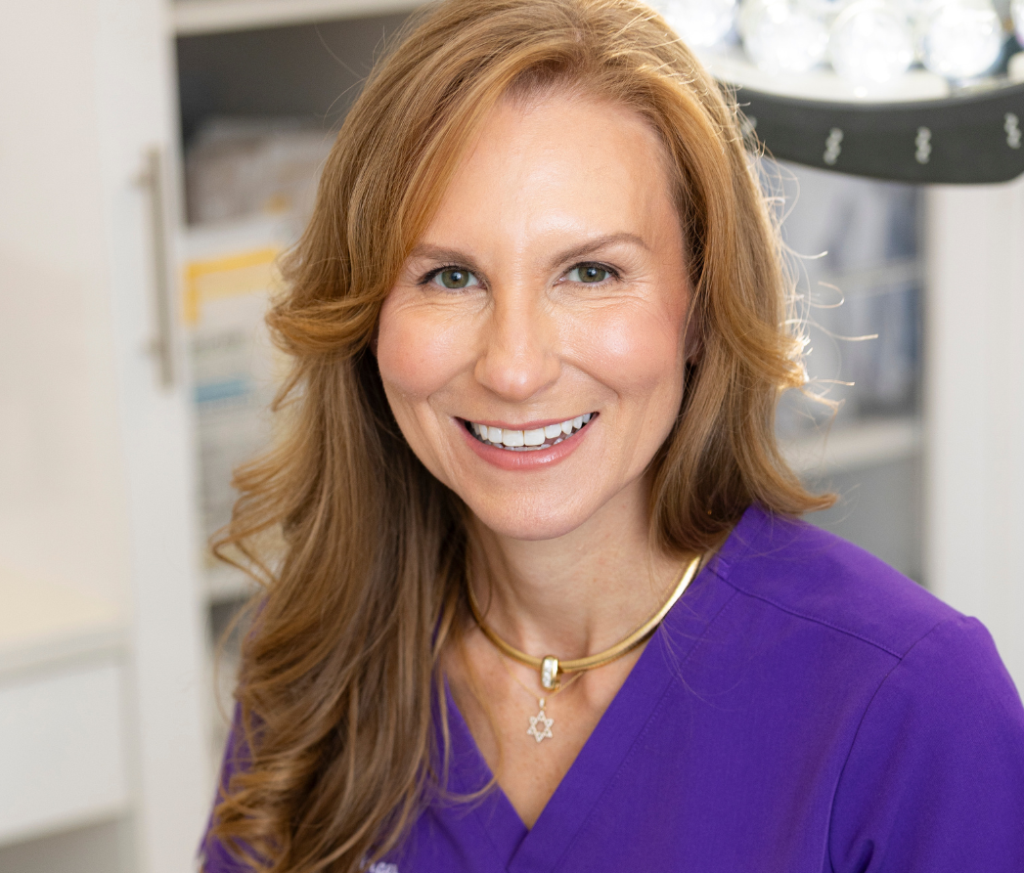
By: Preminger Plastic Surgery
As a plastic surgeon, I spend countless hours planning operations. In medical school I studied anatomy, learning each and every muscle and its attachment. In residency, I was taught to review photographs, discuss goals, explain risks, and meticulously map out every incision. Little to no time during training was dedicated to the postoperative recovery process. In truth, however, the recovery process is as critical to the result and as important as the procedure itself. An operation may last two or three hours. Recovery lasts weeks. The surgery is only the beginning. Healing is where the real work happens.
Ironically, some people prepare more carefully for a vacation than they do for recovering from surgery. They arrange flights, reserve hotels, make restaurant reservations, and pack suitcases weeks in advance. Yet when it comes to surgery, patients sometimes assume they can simply have the procedure on Friday and return to life as usual by Monday. Recovery doesn’t work that way. I often tell patients that surgery isn’t like a haircut. (Just to be clear—lunchtime procedures exist—but those are not the ones I am referring to here.)
One of the greatest gifts you can give yourself before any operation is a realistic plan. Everyone experiences pain and recovery differently and some have an easier time than others. Arrange for help before you need it. Fill your prescriptions in advance. Prepare meals. Make sure someone can drive you home and stay with you if necessary. Block off enough time from work instead of trying to squeeze recovery between meetings and obligations. Give yourself enough time to look your best at that upcoming simcha. Recovery deserves to be on your calendar just as much as the surgery itself. You are always better off over-anticipating your needs than underestimating them. For example, while not everyone needs one for every procedure, no one ever regrets having a postop recovery nurse.
I perform the operation but then you do the rest of the work. Your body closes the incisions, builds collagen, reduces swelling, strengthens scars, and restores tissue over the weeks and months that follow. That remarkable process depends on giving your body what it needs: adequate sleep, proper nutrition, plenty of hydration, enough protein to rebuild tissue, gentle movement to reduce the risk of blood clots, and the patience to avoid doing too much too soon.
One of the hardest parts of recovery is that healing is not linear. Some mornings you wake up feeling wonderful, only to feel swollen and sore by evening. Bruising changes colors before it disappears. Swelling often looks worse before it looks better. Scars initially become red and firm before they gradually soften and fade. Patients sometimes worry that something has gone wrong, when in reality their body is simply following the normal rhythm of healing. It takes six weeks for an incision to gain its full strength. It takes six months to a year for a scar to mature. That is science.
Perhaps the most difficult prescription I give my patients is patience. We live in a culture that celebrates speed. Same-day delivery. Instant messaging. Overnight success. We admire people who pride themselves on never slowing down. Returning to work too soon becomes a badge of honor. Asking for help feels like weakness. But recovery takes time.
Last week’s Shabbat carried a beautiful name: Shabbat Nachamu, the Shabbat of Comfort, named for the opening words of the Haftorah from the prophet Yeshayahu: “Nachamu, nachamu ami—Comfort, comfort My people.” Those words come immediately after Tishah B’Av, our national day of mourning. Judaism does not pretend that pain never happened. It does not ask us to ignore loss or skip over grief. Instead, it teaches that after destruction comes rebuilding. After mourning comes comfort. After brokenness comes healing. Even the repetition—“Nachamu, nachamu”—feels meaningful. Healing rarely arrives all at once. Comfort comes in stages. Just as swelling subsides gradually, scars mature slowly, and strength returns day by day, emotional and spiritual healing also happen over time.
As a surgeon, I see this every day. At a patient’s first postoperative visit, the bruises are still visible, the swelling is obvious, and it can be hard for them to imagine the final result. Weeks later, they begin to see progress. Months later, they often tell me they have forgotten how worried they were during those early days.
Life is often like that. Whether we are recovering from surgery, illness, disappointment, or loss, our instinct is to push ourselves to rush back to normal. Life often demands it. Work needs us back or our families do. We want the pain to end quickly and the answers to come immediately. But healing cannot be hurried. Our bodies have a timetable. So do our hearts. Perhaps that is one of the quiet lessons of Shabbat Nachamu. Recovery is not simply what happens after something difficult. Recovery is part of the process itself.
As surgeons, I focus on performing beautiful operations. My patients demand beautiful results. Perhaps the true art lies in respecting everything that happens in between. The operation may take only a few hours. The healing takes place one day, one week, and one Shabbat at a time. n
At Preminger Plastic Surgery, we are committed to educating our patients and providing personalized care tailored to their unique needs. For those considering plastic surgery, we offer guidance every step of the way to help you achieve your aesthetic and wellness goals. Dr. Preminger is a board-certified plastic surgeon with degrees from Harvard, Cornell, and Columbia.
For more information or to schedule a consultation, please visit premingermd.com or call 212-706-1900. Follow us on Instagram @premingerplasticsurgery.