


Award-Winning Film ‘Blind Spot’ Depicts Courageous Students Telling Their Stories At Exclusive Screening At Congregation Beth Sholom
By: Rochelle Miller
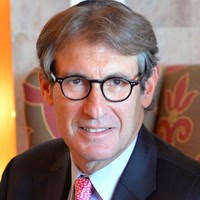
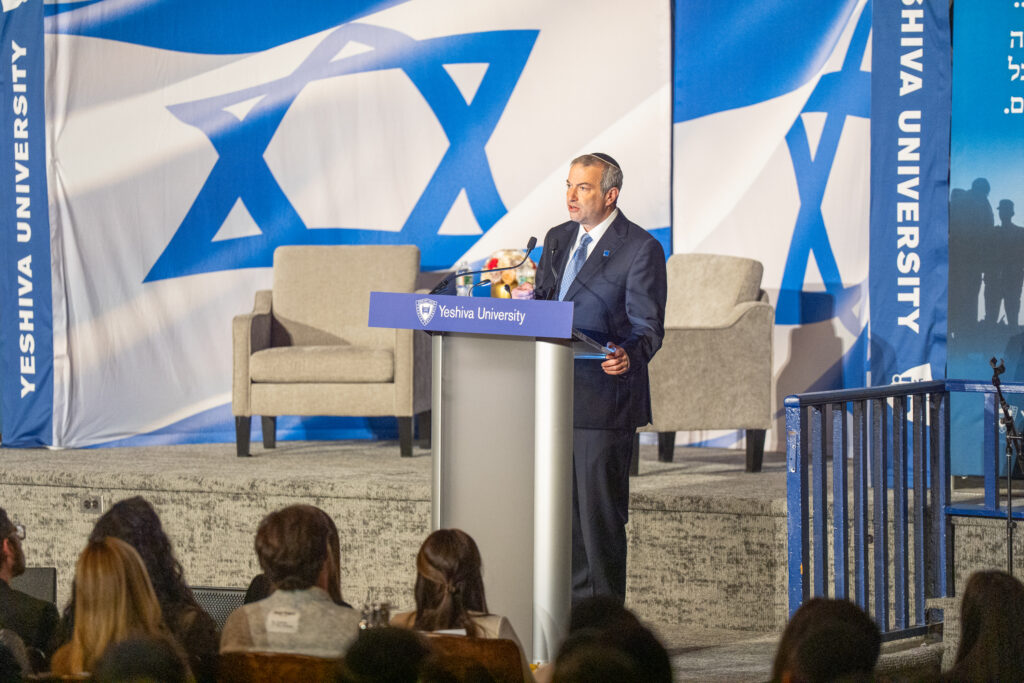
Jack Sprung
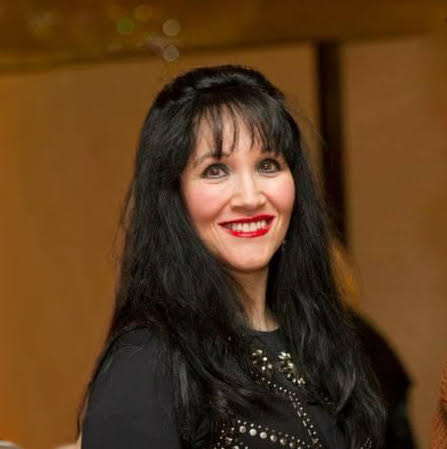
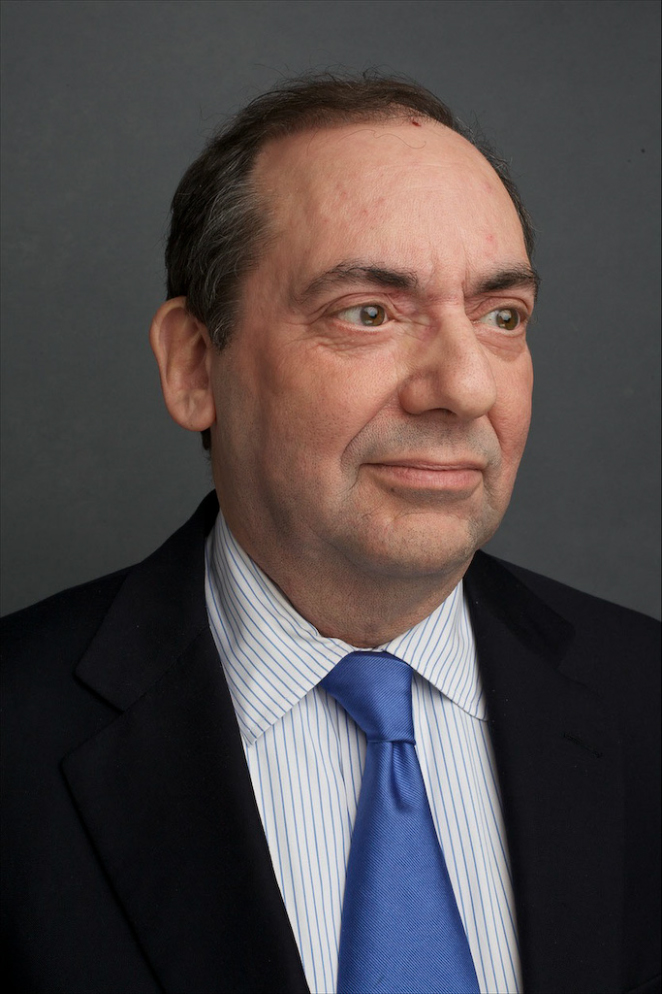
Baila Sebrow
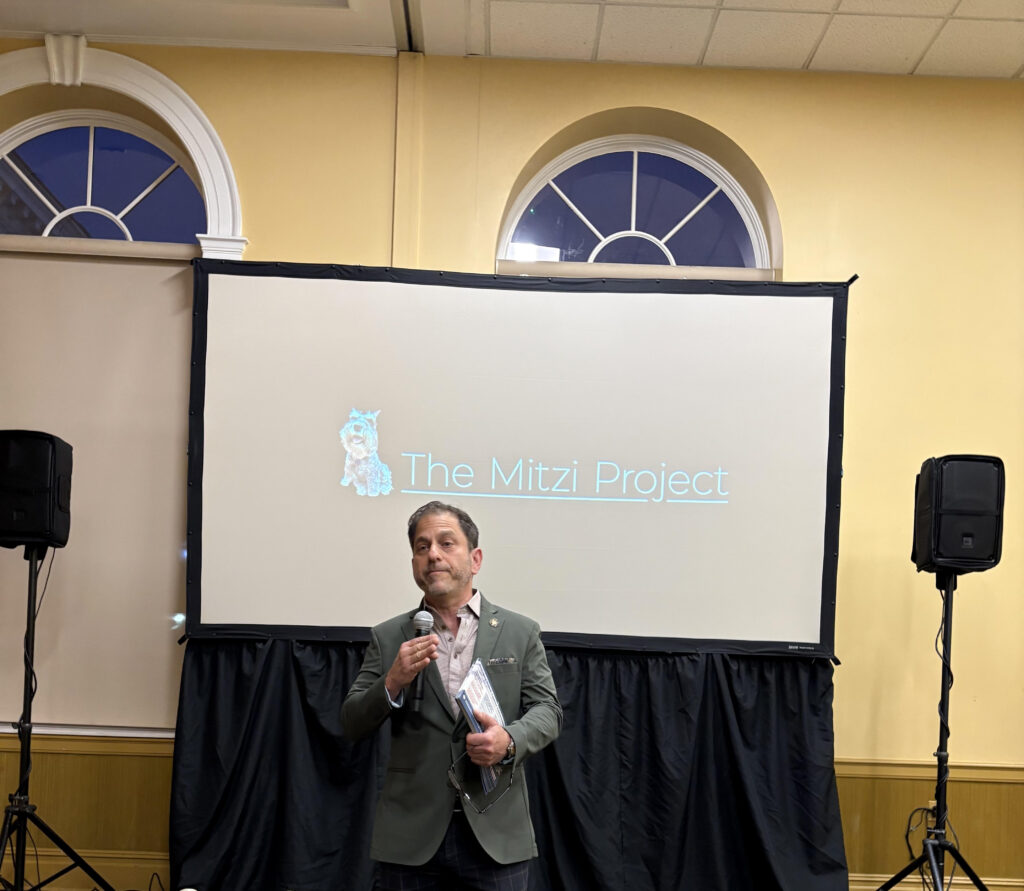
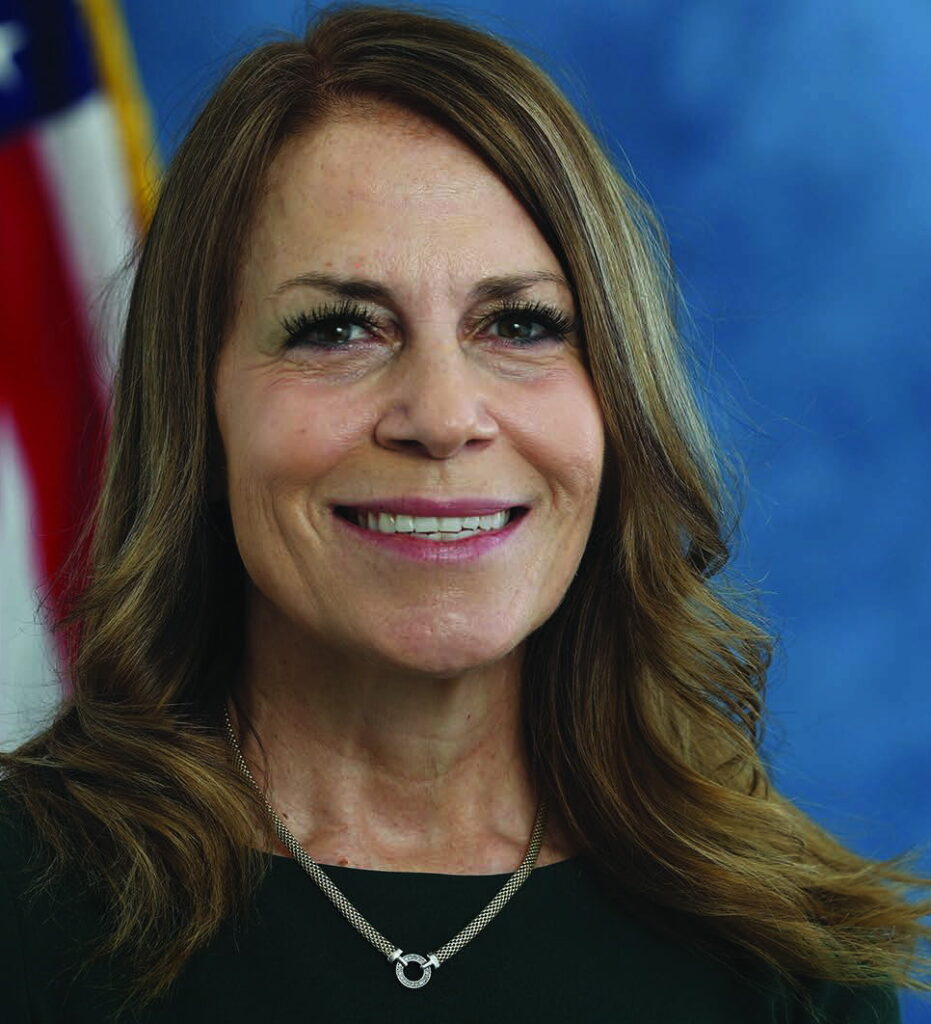
Assemblyman Ari Brown
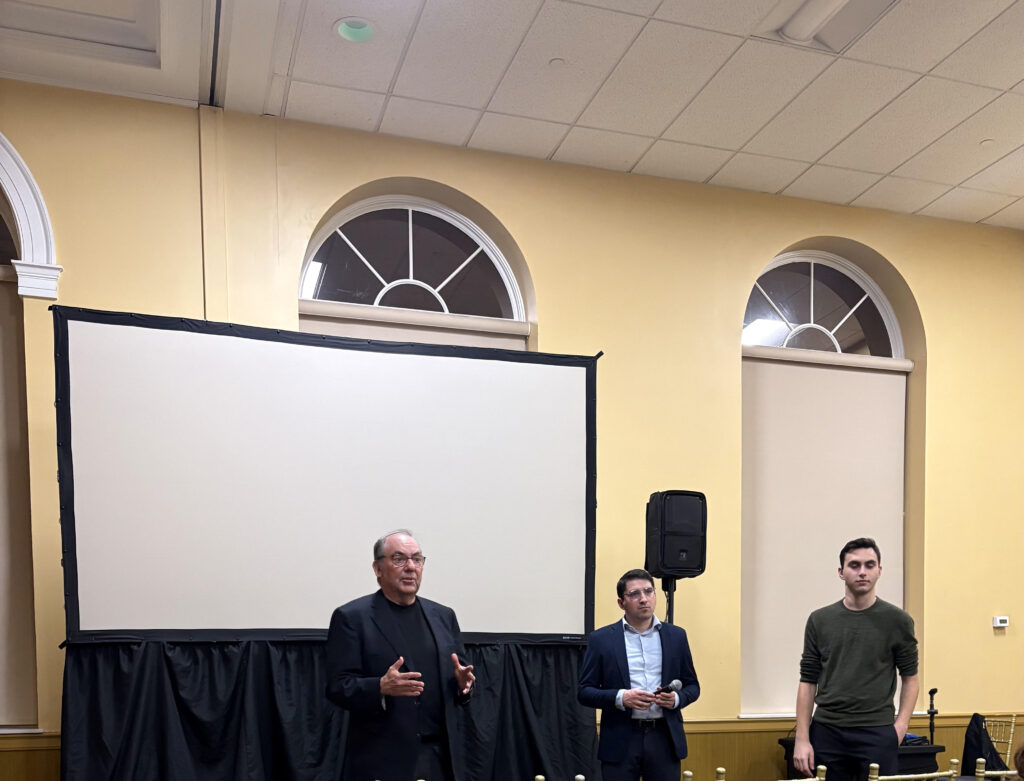
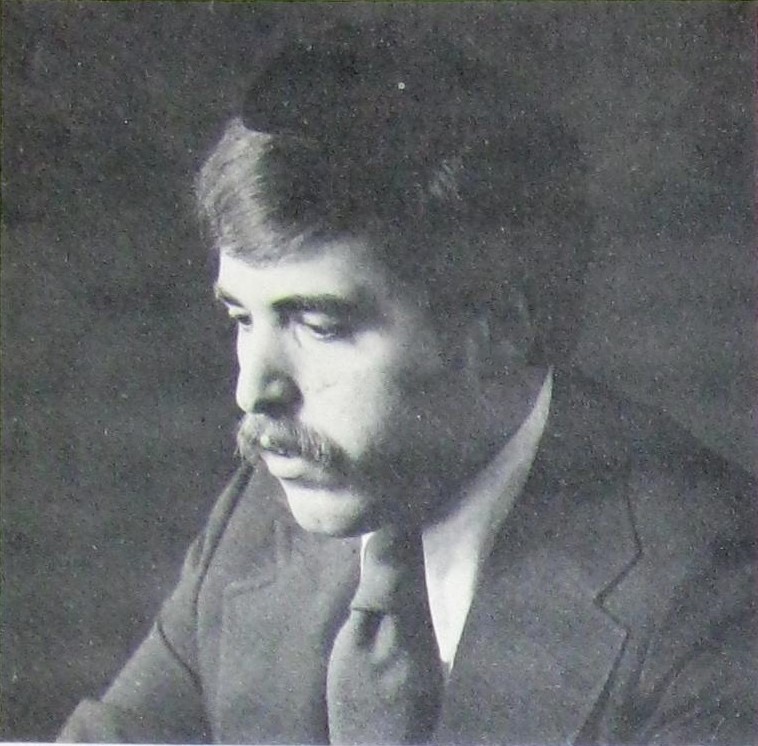
(left to right) Leonard Gold, Brian Dickstein, Eli Bruck
Award-Winning Film ‘Blind Spot’ Depicts Courageous Students Telling Their Stories At Exclusive Screening At Congregation Beth Sholom
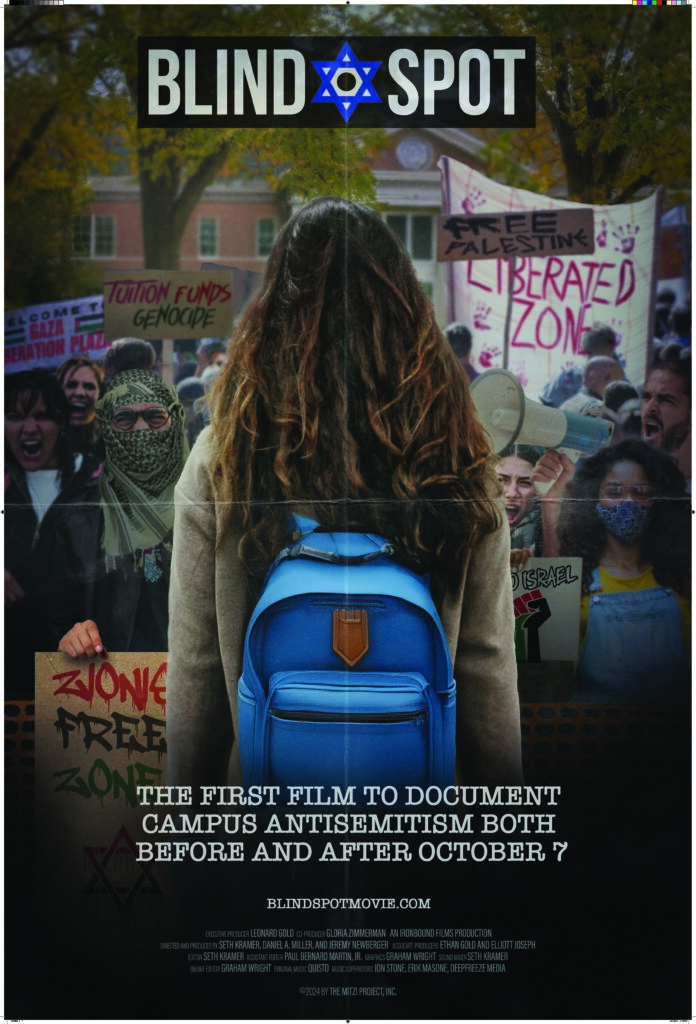
Last week, I had the pleasure of introducing you to Lenny Gold, Executive Producer of “Blind Spot,” winner of the prestigious 2026 Religion Communicators Council Award of Excellence. The highly acclaimed documentary drew a capacity crowd at its Long Island premiere at Congregation Beth Sholom. Held this past October 7, the screening was orchestrated by Baila Sebrow with her signature style of warmth and sensitivity.
“As a shadchan, relationship coach, and event organizer for more than 40 years, I have had the privilege of organizing countless events, both independently and on behalf of various organizations,” Baila Sebrow explained. “Throughout those years, I’ve always believed that bringing people together can serve a purpose far beyond simply creating opportunities for people to meet. Sometimes, the most meaningful gatherings are those that connect us not only to each other, but also to something much larger than ourselves.”
“Blind Spot” is a wake-up call and a rallying cry that gives courageous Jewish students a platform to share their experiences confronting antisemitism on American college campuses. Through their own words, the film documents both the hostility that existed before October 7, 2023, and the explosion of the virulent and sometimes violent antisemitism that followed.
Featuring more than two dozen students from over a dozen schools, the documentary exposes the discrimination, intimidation, and institutional failures that have left many Jewish students struggling to feel safe and accepted in their academic environments. It also celebrates their determination to defend their identities and demand the equal treatment to which they are entitled. “Blind Spot” is a compelling call to action, urging university leaders, elected officials, and the broader community to confront antisemitism wherever it shows up.
{Beyond a Traditional Singles Event
At Congregation Beth Sholom in Lawrence, the film was the centerpiece of an extraordinary evening that combined education, meaningful connections, and a renewed commitment to Jewish communal responsibility. On October 7, Jewish singles aged 35 and older gathered at the shul for an evening centered on the screening of the film. The idea originated with Joseph Sprung, a New York businessman, CPA, and philanthropist who founded the nonprofit organization Bear Givers. Ms. Sebrow had previously volunteered for one of his initiatives and was familiar with his commitment to meaningful community projects. “When he shared his vision of incorporating a singles event with a screening of ‘Blind Spot,’ I immediately recognized the significance of the idea,” Baila recalls. “Given the subject matter and the date, October 7, it was particularly fitting.”
The concept offered an opportunity to expand the traditional singles-event experience, allowing participants to meet potential partners while engaging with an issue affecting the entire Jewish community.
“I believed that this could be a beautiful example of how an evening designed for singles could become something much more profound,” Baila shared. “It could offer people an opportunity to meet, connect, and build relationships while also confronting an issue that affects our entire community. It could be an evening about meeting new people, but also meeting a moment in history with courage.”
The evening began with a beautiful spread of Mediterranean delicacies, desserts, and wine. Guests greeted each other, struck up conversations, and enjoyed the welcoming atmosphere as they settled in.
In keeping with the significant date of October 7, Assemblyman Ari Brown opened the program with eloquent remarks about the urgency of confronting antisemitism wherever it appears. He reaffirmed his commitment to fighting this growing threat and emphasized the importance of translating concern into meaningful legislative action.
Among his legislative efforts, Assemblyman Brown has introduced proposals to prohibit tuition assistance for students who knowingly support antisemitism, as well as measures to ensure that state aid is not provided to colleges and universities that authorize, fund, or support events promoting antisemitism.
His remarks set the stage for the groundbreaking documentary, which brought the challenges facing Jewish students into sharp focus.
The screening offered an unflinching look at the experiences of Jewish students navigating increasingly hostile campus environments. Through firsthand accounts, the film reveals how antisemitism can undermine students’ sense of belonging, interfere with their education, and force them to confront hostility and hatred simply because they are Jewish.
One of the documentary’s most significant contributions is its examination of the conditions that existed before October 7, 2023, and how they contributed to the dramatic escalation that followed. By tracing this progression, “Blind Spot” challenges viewers to recognize that campus antisemitism did not emerge overnight.
The students featured in the film describe confronting intimidation, exclusion, and discrimination while seeking the same educational opportunities and protections afforded to their peers. Their accounts also raise difficult questions about institutional responsibility when university administrators failed to respond adequately to antisemitic incidents.
At its core, “Blind Spot” presents Jewish students as participants in a modern-day civil rights struggle. Their courage lies in speaking out, documenting their experiences, and insisting that their Jewish identities should never prevent them from participating fully in academic life.
The film calls on university leaders and elected officials to address antisemitism from every source, including students, faculty, administrators, and outside groups. Its message is clear: protecting Jewish students requires accountability, equal treatment, and the consistent enforcement of policies designed to safeguard their rights.
Rather than leaving viewers with a sense of helplessness, the documentary encourages them to become part of the solution. It reminds audiences that listening to students, supporting those affected, and demanding responsible leadership are essential steps toward meaningful change.
Following the film, guests participated in an exclusive question-and-answer session with Executive Producer Leonard (Lenny) Gold. Joining Mr. Gold was Brian Dickstein, Director of Campus Affairs at Baruch College Hillel, under the leadership of Ilya Bratman, Executive Director of Hillel at Baruch College since November 2013. The audience also had the privilege of hearing from Eli Bruck, a current Baruch College student whose perspective added a particularly personal dimension to the discussion.
The panel brought together three valuable perspectives: the making of the documentary, the work of supporting Jewish students on campus, and the experiences of a student navigating college life today.
The discussion gave attendees an opportunity to explore the issues raised by the film and gain a deeper understanding of the challenges Jewish students face. It also reinforced the importance of listening directly to those affected to ensure that their concerns receive serious attention.
For the audience, the conversation served as a reminder that confronting antisemitism requires more than awareness; it calls for continued engagement, effective campus support, and a willingness to hold institutions accountable for protecting their students.
“This extraordinary evening would not have been possible without Joe Sprung’s generosity, vision, and commitment to bringing meaningful projects to life,” said Baila. “His idea demonstrated how philanthropy can take many forms, not only through financial support, but also through initiatives that educate, unite, and inspire. I’m grateful that he entrusted me with helping to bring this vision to fruition. Joe’s involvement demonstrated how philanthropy can extend beyond financial contributions to support initiatives that educate, strengthen communal bonds, and inspire action. His vision provided the foundation for an evening that brought people together around a cause of profound significance.”
Baila also expressed heartfelt gratitude to the officers of the 4th Precinct, whose presence provided security throughout the event. Given the significance of October 7 and the heightened security concerns surrounding Jewish gatherings, their presence was especially meaningful. Officers patrolled the program, and two detectives came inside personally to reassure Baila that they were there specifically to protect the gathering.
“Their thoughtfulness and professionalism were deeply appreciated,” she said “It was a powerful reminder that the ability to gather peacefully should never be taken for granted. Their presence helped provide reassurance to attendees and underscored the importance of ensuring that Jewish community members can assemble safely for educational, social, and communal programs.”
As the evening neared conclusion, its impact extended beyond the screening itself. Guests enjoyed the opportunity to meet new people while participating in a thoughtful conversation about an issue that affects Jewish students, families, and communities nationwide. For Baila, that combination of personal connection and communal purpose was precisely the goal. “This was the vision behind this evening, and I am grateful to everyone who made it possible,” said Baila.
Her words capture the distinctive spirit of the October 7 gathering. The opportunity to meet a potential life partner is meaningful, but an event can also foster friendships, deepen shared values, and inspire participants to become more engaged in their community.
The premiere of “Blind Spot” at Congregation Beth Sholom demonstrated that these goals are complementary. Through the vision of Joseph Sprung, the dedication of Baila Sebrow, the participation of Assemblyman Ari Brown, the brilliance and talent of Executive Producer Lenny Gold, the courageous students depicted in the film, the distinguished guest speakers, and the willingness of attendees to listen and learn, the evening became far more than a traditional singles event. It was an occasion for remembrance, education, and solidarity, a reminder that Jewish students should never have to fight alone for the right to learn and participate in campus life without discrimination.
Ultimately, the event illustrated the power of bringing people together with intention. When a gathering combines meaningful relationships with education and purpose, its impact can reach far beyond a single night. “There’s something especially meaningful about turning a gathering into an opportunity to do good,” Baila said. “A singles event can be a place where people meet someone who may eventually become a life partner. It can also be a place where people strengthen their connection to their community and leave with a renewed sense of purpose.”
Please visit BlindSpotMovie.com for links to the film, a trailer, many social media posts which draw mainly from the film’s 75-hours of exclusive original footage, and information on hosting a screening.
Rochelle Maruch Miller is a contributing editor for The Five Towns Jewish Times. She is a journalist, creative media strategist, lecturer, and educator, and writes for magazines, newspapers, websites, and private clients. She welcomes your comments at [email protected]. Read more of Rochelle Maruch Miller’s articles at 5TJT.com.