
Before We Argue
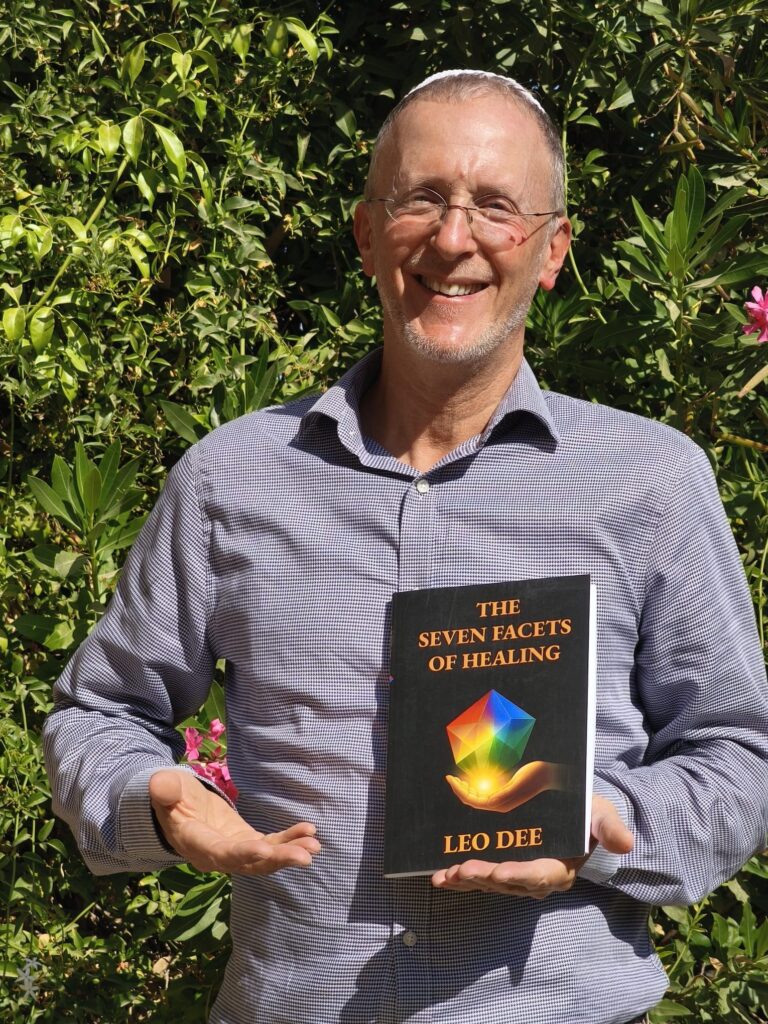
By: By Rabbi Leo Dee
In 2017, Israeli singer-songwriter Hanan Ben Ari released a song called “Wikipedia”. It quickly became one of the most popular songs in Israel. The reason was simple: everyone could recognize themselves in it.
The song runs through a long list of stereotypes that Israelis hold about one another:
Every left-wing person is a traitor.
Every Haredi is a criminal.
Every settler is an extremist.
Every politician is corrupt.
The list continues, touching every sector of society. Then comes the refrain: “Don’t summarize me on Wikipedia.”
The message is powerful because it exposes something deeply human. We all want to be understood as individuals, yet we are quick to reduce others to labels. We resent being placed in a box, but we are apt to place others in one.
During the Three Weeks, this message feels especially relevant.
Tishah B’Av is the day on which we mourn the destruction of both Temples. Chazal teach us that the First Temple was destroyed because of the cardinal sins, but the Second Temple fell because of sinat chinam—baseless hatred between Jews.
For many years I struggled to understand this. Could hatred alone really destroy the spiritual and national center of the Jewish people? Of course, Chazal were teaching us something profound. The Temple represents the place where all Jews came together before Hashem. Once we stopped seeing one another as brothers and sisters and began seeing each other as categories, factions, and enemies, the foundations of that unity began to crumble.
Today, that lesson feels painfully contemporary.
We stand in the midst of a difficult war on multiple fronts. At the same time, Israel is entering another election cycle. The arguments are familiar. Some blame the Haredim for not serving in the army. Others blame secular Israelis for their influence over the courts, the media, and the security establishment. Some blame the right. Others blame the left. Social media amplifies every disagreement until it feels as if entire sectors of the Jewish people are defined by a single issue.
The danger is not disagreement—Jews have always embraced debate. The danger is when disagreement turns into stereotyping. When “some Haredim” becomes “the Haredim.” When criticism of a policy becomes the condemnation of an entire community. When we stop seeing individuals and begin seeing caricatures.
Recently, I heard a beautiful idea from a group of bereaved families who have been meeting with people from every sector of Israeli society. Despite their differences, they discovered a remarkable sense of unity. Before discussing the issues that divided them, they first spent a few moments speaking about the values that they shared. The atmosphere in the room was transformed.
Let’s give this idea a name: “Before We Argue.”
Before we criticize another group of Jews around the Shabbat table; before we share a sweeping generalization; before we explain why “they” are the problem, let us pause for ten or thirty seconds and ask a simple question: “What do we have in common?”
We all want our children to be safe. We all want a secure future for the Jewish people. We all care about Israel, even when we disagree passionately about its direction. We all carry the burden of Jewish history and the responsibility of Jewish continuity.
That brief pause may not eliminate disagreement—nor should it—but it can change the tone of the conversation. It reminds us that the person sitting across town is not a stereotype. He or she is a fellow Jew who shares many of the same values that are important to us.
Perhaps this mindset shift can be one small antidote to sinat chinam. Not pretending that we have no disputes, but remembering that our shared destiny is greater than them all.
During the Three Weeks, as we mourn the destruction of the past, perhaps we can each adopt the practice of recalling what unites us “Before We Argue.”
Because, if it was division that brought us into exile, then it is understanding that could lead us home.
Rabbi Leo Dee is the author of ‘The Seven Facets of Healing’, a book describing the positive steps that anyone can take following a crisis in their life. It is available to order on Amazon and in Israel from Bookpod.