
Chayei Sarah: Everything
By: Rabbi Judah Mischel
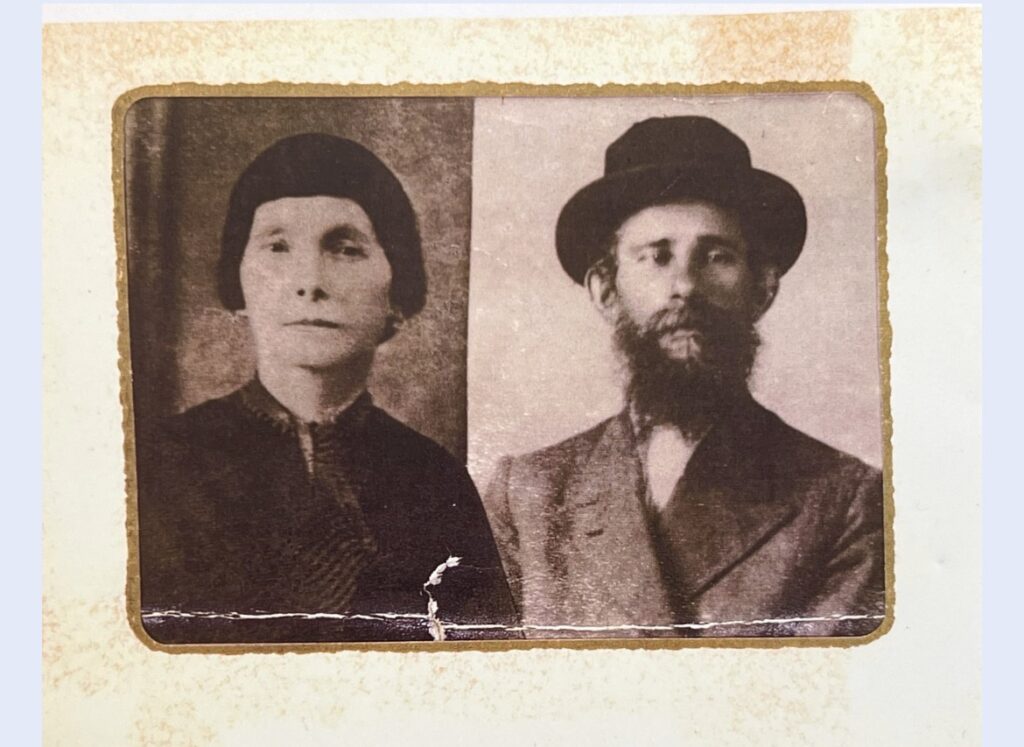
The Rebbe Chaim Halberstam, the Divrei Chaim of Sanz, zy’a, was a remarkable tzaddik and mystic, renowned for his Torah genius, righteousness, and charitable ways. He never went to sleep at night with an extra prutah in his home; every penny would go to help those in need.
A highlight of the year in Sanz was the Motzaei Simchas Torah tish, where the Rebbe had an unusual minhag considered to be a segulah for wealth: distributing apples by throwing them to the Chassidim. While it may have seemed foreign to outsiders, to members of the Chassidic court, the apple throwing was a special event highlighting the Rebbe’s mystical powers.
Over the years, word spread of the curious minhag, as well as the stories of miraculous financial rescues that came in the wake of catching an apple. Jews came from far and wide for the chance at receiving the Rebbe’s blessing, to the point that overcrowding and hysteria undermined the solemnity of the gathering. Eventually, over-aggressive pushing, jostling, and shouting turned the “apple tish” into a dangerous event.
The Rebbe’s inner circle, including his son and Gabbaim, were concerned with both the disturbing public appearance of such a fiasco, as well as the spiritually detrimental behavior of some of those desperate to grab the blessed apple. As a result, the Rebbe’s confidants advocated that the apple tish be cancelled: the risk of people’s physical safety was not worth it anymore. The Rebbe, however, was not willing to forego the segulah and the special opportunity to bless needy petitioners with parnassah.
The Rebbe came up with some new ground-rules to eliminate the aggressive behavior. One night, he announced that instead of being blessed with wealth, anyone who pushed another person in order to catch an apple would not be blessed, but would experience ten years of poverty. The new regulation was effective. When the Rebbe threw the apples, no one moved, but only raised their hands high, hoping to catch one. All the Chassidim glanced around, afraid of accidentally pushing someone and being punished with a decade of poverty.
Suddenly, to everyone’s surprise, one of the Ziknei HaEidah, the elderly Chassidim of the Divrei Chaim, began pushing and shoving his way through the crowd in order to grab an apple. The Chassidim and visitors were aghast. Wasn’t he afraid of the Rebbe’s decree? The Gabbai whispered at him incredulously: “Don’t you know that ten years of poverty will be decreed upon you?”
The Alter Yid replied with the sweetest of temimus (sincerity and simple faith): “Yes! Halevai! I’m looking forward to those ten years of poverty! So what if I’ll be poor! At my age, ten more years is a huge berachah!”
n n n
“And Avraham was zaken, ba bayamim”—old, advanced in days—and Hashem blessed Avraham bakol, with everything” (Bereishis 24:1). Forty years earlier in the narrative, in Parshas Vayera, the Torah tells us, “Avraham and Sarah were old, ba’im bayamim” (18:11). The Lubavitcher Rebbe explained that the repetition of ba bayamim in our sidrah emphasizes that forty years later, despite their advanced age, our grandparents Avraham and Sarah, were still ba bayamim, “immersed in daily life,” filled with simchas ha-chayim, still engaged and involved in daily chores and meaningful projects; they were filled with energy and zest for life.
The Sfas Emes was known to point out the difference between arichas shanim, “long years,” and arichas yamim, “long and full days.” There are people who are blessed with long lives, and there are those who have length and depth to their days. While the Sefas Emes himself did not attain arichas shanim, leaving the world at the young age of fifty-eight (in 1905), the tzaddik did have great arichas yamim, overflowing with awe-inspiring accomplishments. He was a living model of his own teaching, showing us how to make the most of each day, to extract the potential and unique opportunity of each hour and moment, to live life to its fullest.
In Midrash Rabbah, Rebbi Levi suggests that at this point, Avraham had completed the major tests of his life and was able to enjoy nachas and some much deserved peace in his advanced age. Avraham merited to experience the blessing of a full life, completion, satisfaction, and most of all, temimus, the crowning achievement of a lifetime of avodas Hashem: “And Avram was ninety-nine years old, and Hashem appeared to Avraham and said to him, “I am Hashem. Walk before Me and be tamim, whole. And I will place My covenant between Me and you, and I will multiply you very greatly” (Bereishis 17:1-2).
Temimus, simple, sincere, wholehearted living, forms the backbone of Jewish practice. It is the foundational touchstone of the pathway of righteousness. When we appreciate every moment, strive to make the most of every day, and know that whatever it is we have comes from Hashem, then we are by definition blessed with bakol, everything.
May we be blessed with meaningful days and many long happy and healthy years of living with temimusand simple faith. And may we have success with our parnassah and be multiplied greatly without having to push anyone for an “apple”!
Excerpted from Baderech: Along the Path of the Torah, forthcoming (Mosaica Press, Elul 5786).
Rabbi Judah Mischel is Executive Director of Camp HASC, and Mashpiah of OU-NCSY.