Enough With Sha-Shtil
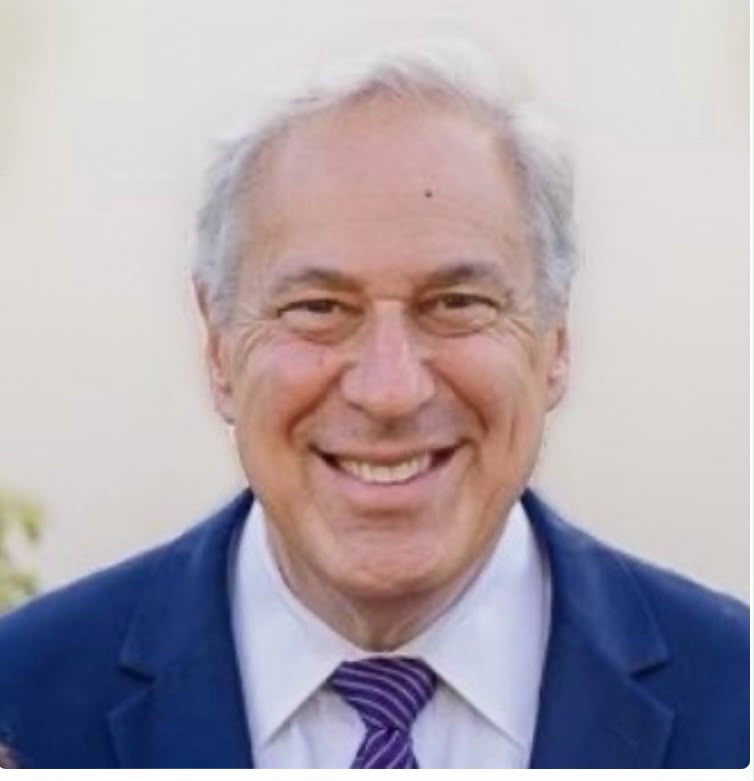
By: J Philip Rosen
Before, during, and after the Holocaust, one of the phrases that became famous/infamous among European Jews was “Sha-shtil” translated to “Be quiet and don’t move.” It was said by Jews to their children and to each other to try to avoid being heard or seen by the guards or other antisemites. This concept of Sha-shtilhas become an enormous part of the Jewish world in the diaspora post-war. Jewish “leadership” uses this concept to discourage Jews from using physical muscle or political leverage against their opponents. It also references the manner in which many parts of the Israeli political and ideological spectrum handle all of their opponents whether the British prior to 1948 or the Arab legions during the wars against Israel, or the Palestinians.
During the lead up to the War of Independence, there were two schools of thought on how independence could be achieved. The first school of thought was the one that the majority of non-survivor Israelis kept, including many in the leadership such as David Ben-Gurion. It said “Sha-shtil”—we will not fight back against the British, who had no intention of letting Jews have an independent state and were in many cases complicit with the Arabs against Israel. We will try to reach a negotiated settlement. They watched as kibbutzes were overrun, as Israeli soldiers and civilians were slaughtered. They talked with the British. Quietly. Just talk.
A second approach was taken by Ze’ev Jabotinsky and his followers including Menachem Begin. The fight-back revisionist approach was condemned by the mainstream Jewish and Israeli leadership; in fact the “mainstream Israeli leadership” (i.e., Labor party) took it one step further, and fought against the Jabotinsky Soldiers. American Jewish leadership, despite a giant rise in political power over the 80 years since World War II continued the “Sha-shtil” approach. Don’t make noise or attract attention. The bad will disappear on its own. Even among most of our political allies and friendly commentators, this view was prevalent. However, in the last few years the fight back approach has woken up. Ben Shapiro and Mark Levin are two examples of terrific advocates using this approach—calling out evil by name, whether its Tucker Carlson, Candace Owens, and others. Virulent antisemites being called out directly with confrontation. Levin went a step further. He called out the pro-Israel groups and PACs that were afraid to or deliberately didn’t confront. In a local example of the fight back approach, Assemblyman Ari Brown recently called out antisemitism directly in the State legislature. [See page 113 in this issue for details.]
Israel would not have made it as a state if not for the Begin fighters. We must change our approach to one of confrontation of our enemies. Pro-Israel PACs and groups need to stop supporting anti-Israel candidates. Period. No excuses that he/she is better than the others. No support whatsoever.
It’s time to confront our enemies like Ben, Mark, and Ari are doing. Not talk, but fight. With words and muscle. Now! Today!
J. Philip Rosen is Chairman of the board of World Jewish Congress-American Section and a Member of the Board of Trustees of Yeshiva University.