






Meet The Maestro
By: Michael Justic
Creating and playing music professionally are not simple things to do. They generally require years of practice and dedication to become competent on even one instrument. So it’s easy to imagine the difficulty of trying to organize many different instruments into music that has direction, and sounds harmonious. This is exactly what a composer in classical music does, and if the composer is also a maestro, then they will lead the musicians during performances as well.
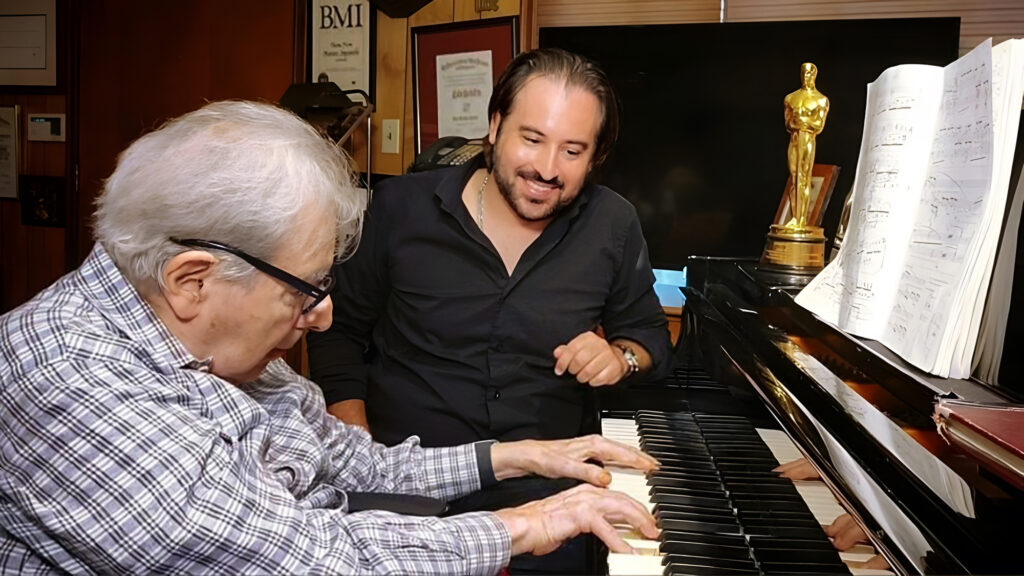
I had the opportunity and privilege to interview Jewish Maestro Rod Schejtman and hear his story of becoming a musician, as well as his achievements since then, which include collaborating with one of the most renowned composers of our time.
Maestro Schejtman talked about his love for music which began in his youth, when his father worked in the musical studio, and he would listen to the classical musicians play live. He started learning jazz piano at an early age and enjoyed physics, math, and engineering, which he later studied. He used his engineering background in the way he studied music and later created The Piano Encyclopedia, an online platform to learn piano.
He then became attracted to the challenge of classical composition and decided to pursue it himself, but was dissuaded by a fellow musician who told him to “spend years studying before even thinking about it.” So he did, After all that studying, he returned to that musician, only to find out that the man wasn’t a composer himself.
After he began composing, he met five-time Grammy Award winner Lalo Schifrin, a fellow Jewish Argentinian composer who wrote the film scores for Mission: Impossible, Dirty Harry, and many other movies. Schifrin also happened to be on a list of great composers that Rod had created, so working with him was a great honor. The two were able to think together and would even finish each other’s ideas. They created a symphony and planned for more before Schifrin unfortunately passed away. Since then, Schejtman has been touring to honor the legacy of his colleague and friend.
When I asked Maestro Schejtman if he had any advice for learning or beginning musicians, he recommended believing in yourself so you can follow your dream and not let anyone put you down. This was backed by his own experience of becoming a composer, which was delayed because someone had to demoralize him. People will often overstate hardships to justify their own reluctance to pursue something. If you want something badly enough, don’t listen to those people.
This optimism was the main theme of his collaboration with Schifrin. Their country, Argentina, has had a long history of hardships and challenges, but, as Schejtman described, there was always optimism among its people. No matter how many times situations wouldn’t improve, or would even deteriorate, that optimism remained. It is an outlook worth highlighting and one worth preserving in our own lives.


