
Musings Of A Shliach From Montana

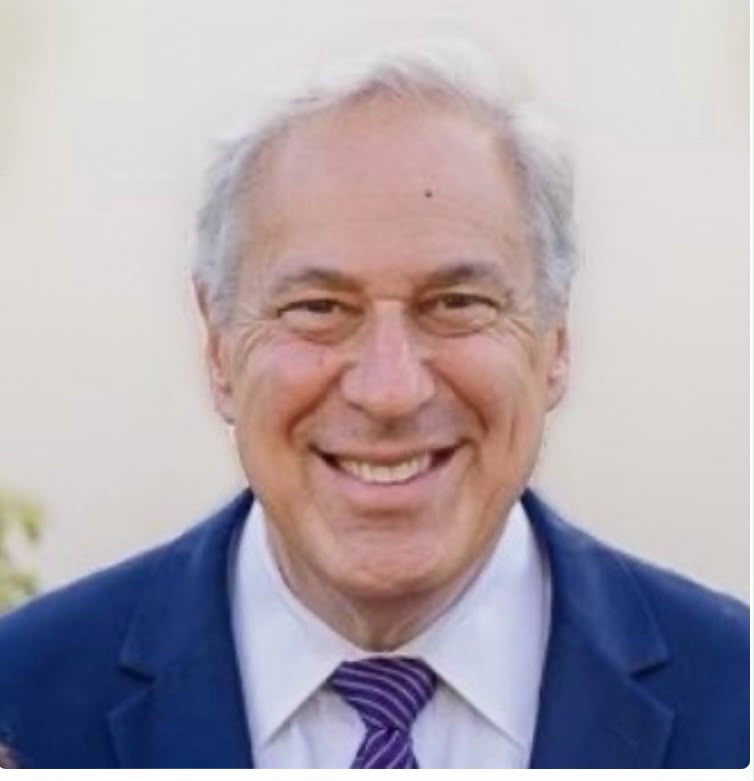
A visit to a legume plant in Fort Benton, Montana

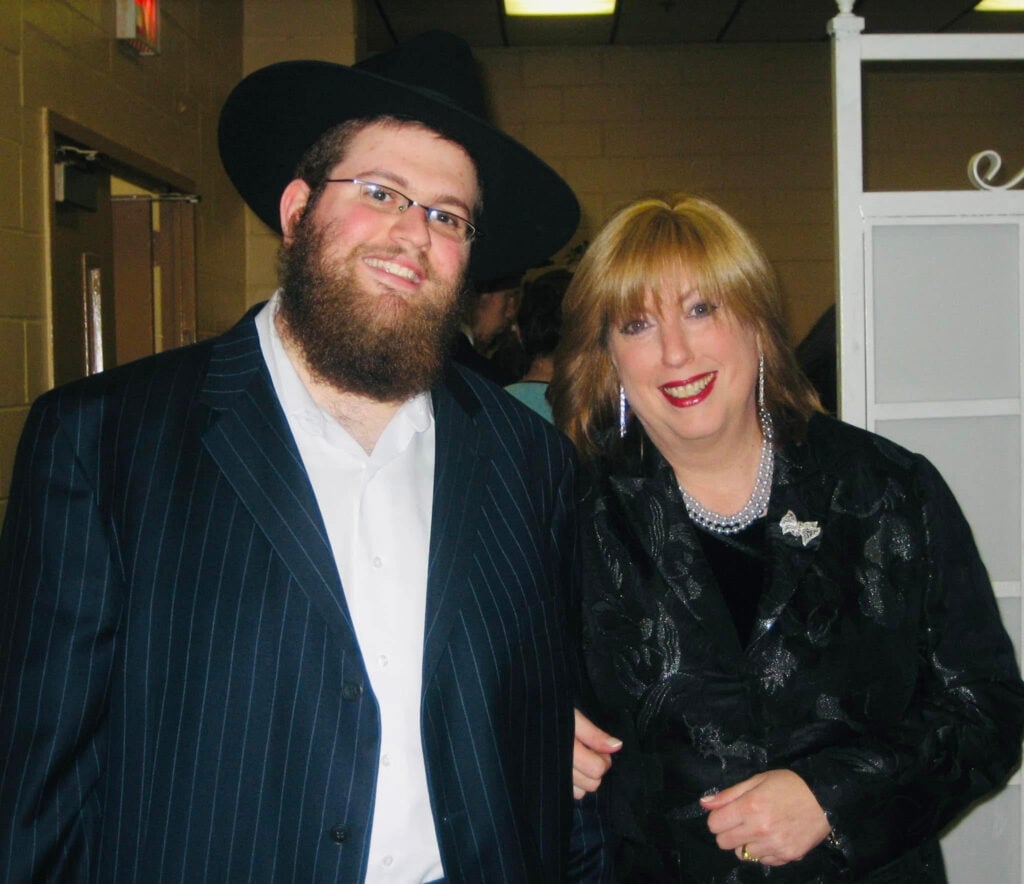
Rabbi Chaim cutting Shimon’s hair with his father, Reb Mendel
This past Shabbos, the 2nd of Kislev, would have been my mother’s 69th birthday. I was very close to my mom, and I appreciate the special days of the year that get the juices in my brain flowing with memories of her and everything she taught me. I’ve written about her in this column many times, but this past Shabbos I was thinking about a specific trait she embodied, which was to live life fully devoted to whatever she was doing.
Of course, it was before the smartphone distractions, but still, she gave her heart and soul to the things she cared about and it showed. She tutored many Crown Heights children in secular studies after school because the school only taught limudei kodesh. She taught at the Bais Rivkah girls’ school on Sundays, devoted much time to her beloved parents, and gave everything to her five children. In the summer she sold jewelry in the bungalow colonies to earn some extra cash. Whatever she did, she did it with her heart and soul.
It’s a value I cherish and try to live by.
This week, the Association of Kashrus Organizations (AKO) is hosting their annual conference in the holy city of Yerushalayim. I wanted to attend and even toyed with taking Chavie along for the trip, but the many Montana responsibilities kept me home doing my shlichus with the Jews of Montana. I always enjoy the AKO’s conferences, which brings rabbanim and kashrus experts together to discuss the cutting-edge issues in the realm of kashrus. One of the topics that seems to come up often is how the mashgichim are treated and I think it’s super important.
I remember years ago I was called by a rav of a prestigious European hechsher, who asked me to spend a day on a combine cutting gluten free oats that would be used for gluten free matzah. When I sent the rav an invoice for my work, he was not happy about it and made sure I knew it. I was baffled. I understand that in larger cities mashgichim can work for an hourly wage, but considering that if they had to send someone to Montana, they would have to pay for an airline ticket, car rental, hotel, food, and so on. It made sense for them to pay me what I thought I earned when taking time off from my day job to service their matzah business.
It was eye opening.
That experience helped me to appreciate the mashgichim who devote their lives to the accessibility of kosher food in America. I do it once in a while for our Vaad HaKashrus of Montana and for many national hashgachos, but those who rely on it for parnassah literally devote their entire lives to it: inspecting plants, supervising simchas, Pesach programs, cruises, and restaurants, working insane hours from morning until night. And they don’t get the recognition or pay they deserve. If every kosher observant American Jew, especially in smaller communities, realized how blessed they are to have kosher food available, and this is only due to the hard work of the devoted mashgichim, I believe we would give mashgichim the dignity and respect they deserve. We do it for rabbanim, for inspirational speakers, for teachers in chinuch, and we should start seeing mashgichim in the same light.
On Sunday, together with Menny and Chana Laya, I headed to Great Falls, which is 180 miles north of Bozeman, to attend the upsherin of Shimon Spiero, son of Rabbi Mendel and Devorah Leah Spiero. Reb Mendel serves as the mashgiach of Touro’s school for Osteopathic Medicine, and together this power couple serve as shluchim in North Central Montana. The simcha was beautiful, and it was amazing to meet so many beautiful local Jews attending the simcha, which, for many of them, was their first ever upsherin. I’m always amazed at the devotion of the Spieros to kashrus at Touro and beyond.
Rabbi Mendel, like hundreds of mashgichim around the country, wakes up each morning determined to ensure that every piece of food entering our mouths, the food that keeps us spiritually connected and our neshamos intact, is 100% kosher. The greens are checked for bugs, the ovens turned on by Jews, the seals on the meat properly affixed, the milchigs and fleishigs separated without mix-ups, and so much more. In a world of commercialized systems, it is these mashgichim who make kashrus an accessible reality and an enjoyable possibility to Jews in America.
When I visit my beloved “Sato Sushi and American Fusion” restaurant in Minneapolis on my occasional stopover, there is a Yungerman who serves as the mashgiach there and he’s mamash a sweetheart who makes sure everyone feels at home and ensures the food is Mehadrin. I don’t take that for granted. I’m so grateful for every delicious morsel.
In this week’s parashah, Vayeitzei, we read about Yaakov Avinu working for his conniving Uncle Laban as he sought to marry Laban’s daughters. Yaakov said, “You know well that I served your father with all my power,” and later it says “This is how I existed: I was consumed by day by scorching heat and at night by frost, and sleep deserted my eyes.” The Rambam concludes the laws of sechirus (renters) with these words: “Similarly, a worker is obligated to work with all his strength, for Jacob the righteous man said: ‘I served your father with all my strength.’ Therefore, he will be granted a reward even in this world, as indicated by ibid. 30:43: ‘And the man became prodigiously wealthy.’”
The Rebbe, zt’l, asked why the Rambam would discuss Yaakov Avinu’s reward, which isn’t connected to actual halacha? Furthermore, it seems clear from the Rambam that Yaakov Avinu served Laban with “all his power,” going above and beyond. So why would the Rambam mention it in the context of normal employee/employer behavior? The Rebbe went on to give a lengthy explanation, and this is the gist of it:
When it comes to the halacha of employment there’s a chakira, a halachic discussion, as to whether this is an obligation to the employer that when working, one must go above and beyond, or whether it’s an obligation to Hashem to be the best person one can be in sync with the Creator and not directly connected to one’s employment obligation.
The Rambam writes in his Pirush Hamishnayos (in Tractate Peah) that mitzvos are divided into two categories. The first are the mitzvos bein adam l’Makom the mitzvos that are between us and Hashem, such as tefillin, tzitzis, Shabbos, avodah zarah, and so forth. These mitzvos are rewarded in Olam Haba, when we pass on to the world to come. The second are the mitzvos bein adam l’chaveiro, the mitzvos that are between us and our fellow human beings, which also bring reward in this world too. So, the Rebbe explains that it seems that, according to the Rambam, serving our employer with “all our power” is part of the obligation to our fellow human being, not between us and Hashem, in which case, the reward can be in this world, Olam Hazeh. This also explains why the Rambam refers to Yaakov Avinu here as a Yaakov HaTzaddik, not avinu or chassid, because the Rambam himself explained in Hilchos Deios that a tzaddik is a title for those who serve Hashem according to halachah, and a chassid is a title for someone that goes “lifnim mishurat hadin,” beyond the letter of the law. And because the Rambam sees serving our employer above and beyond as part of our obligation to our employer, not as a special act, he refers to Yaakov as a tzaddik, not a chassid.
Our mashgichim indeed serve above and beyond and I believe wholeheartedly that communities should give them more recognition. The mashgichim often act like Yaakov Avinu and we shouldn’t return the favor by acting like Laban. nRabbi Chaim Bruk is co-CEO of Chabad Lubavitch of Montana and spiritual leader of The Shul of Bozeman. For comments or to partner in our holy work, e-mail [email protected] or visit JewishMontana.com/Donate