
Musings Of A Shliach From Montana
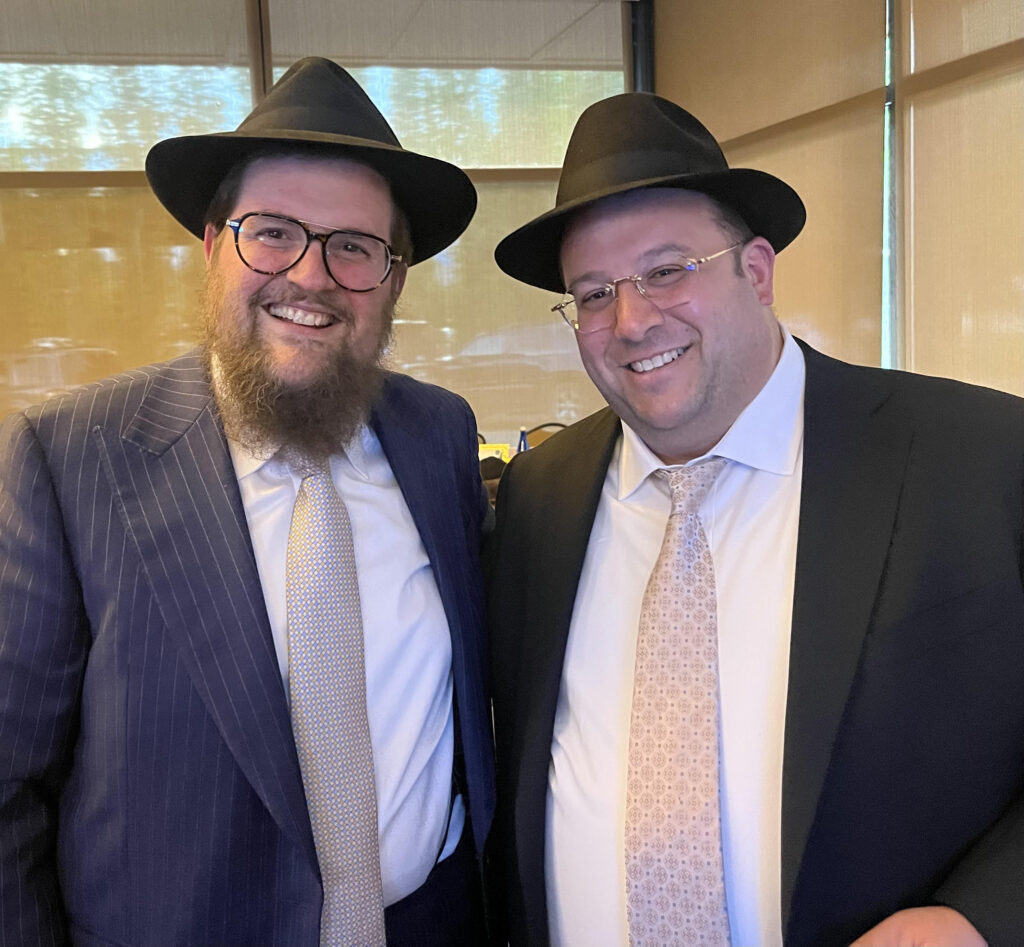
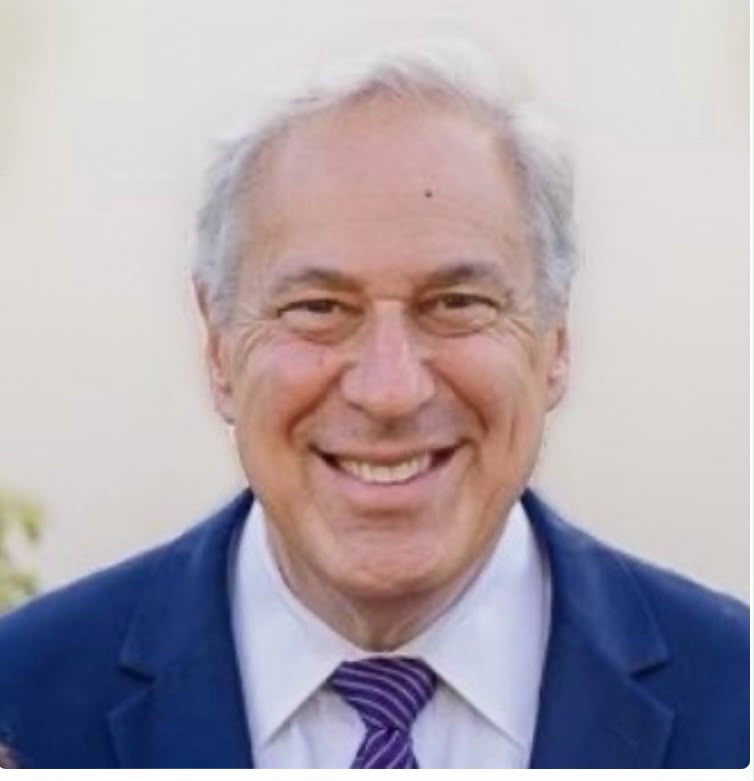
Rabbi Avi Schnall of the Agudah with Rabbi Chaim Bruk
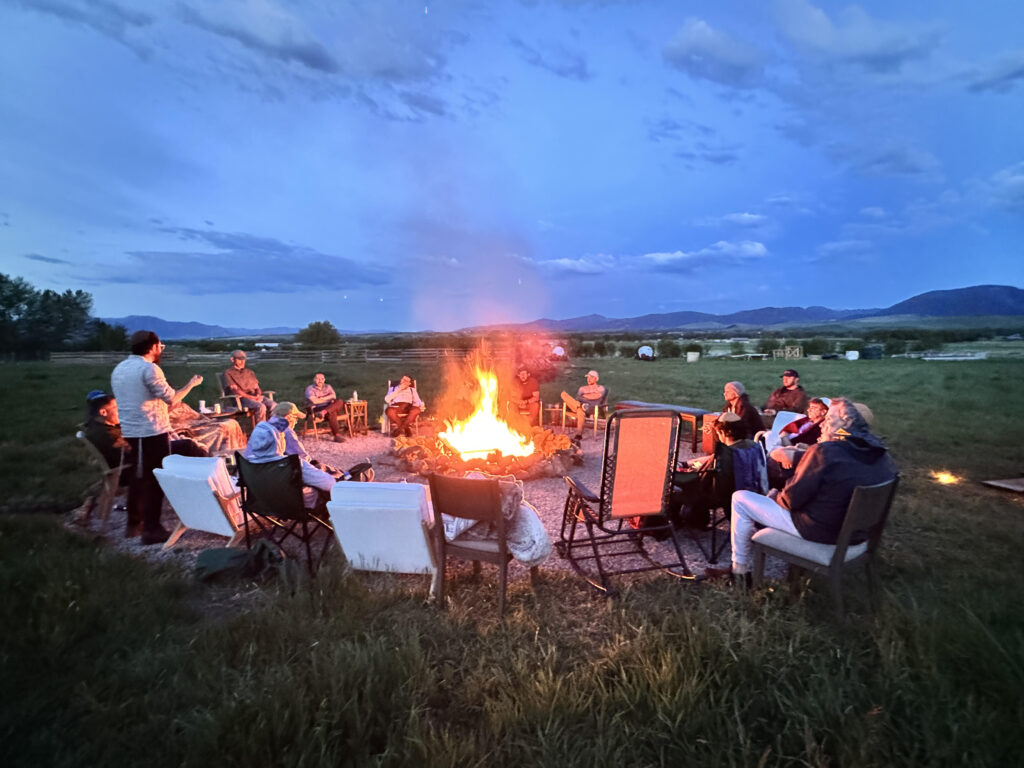
Men’s Mensch Club gathering in Bozeman, May 28, 2026
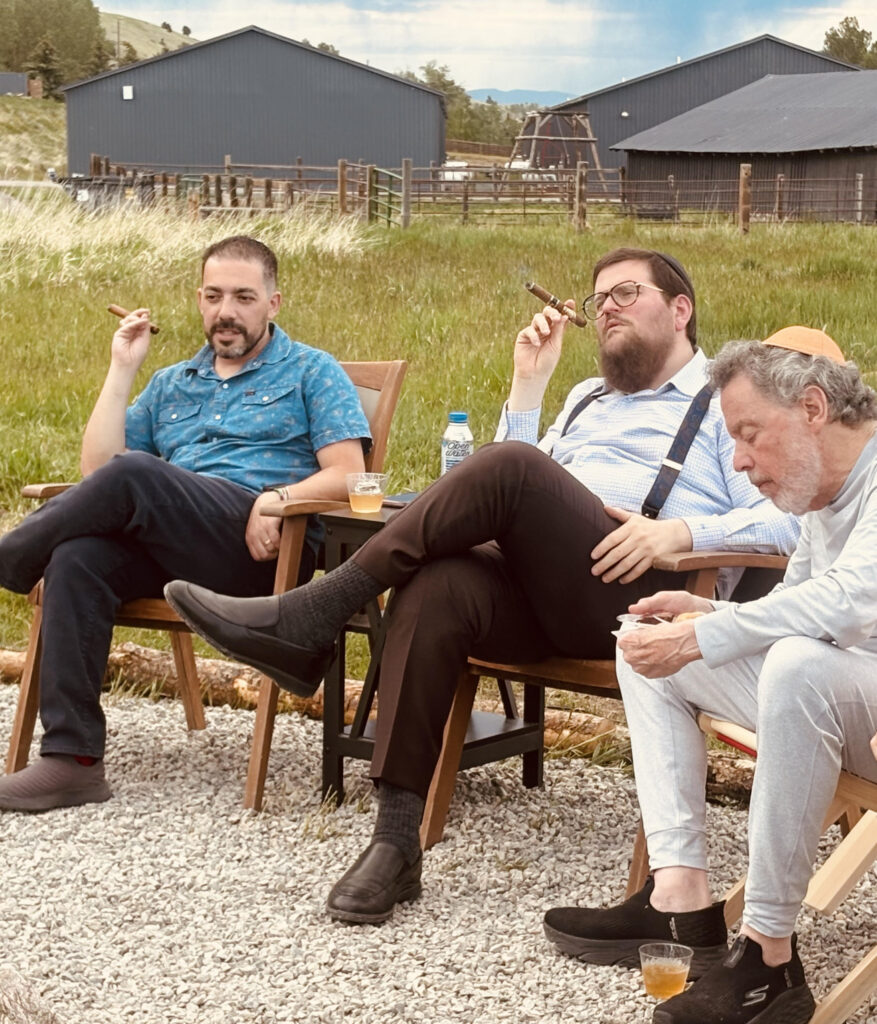
Rabbi Chaim flanked David and Howard at the Mensch Club
The soul never stops yearning for light and goodness.
In Tanya, the Alter Rebbe explains in detail that the inner battle of the Jew is real and is part of Hashem’s creation. We have a divine soul, a Nefesh Elokis, that is constantly being overwhelmed by the arguments coming from the Nefesh HaBehamis, the animal soul. And even on days when we lose the battle, the soul never gives up on a chance to overcome temptation, beat the animal soul, and remain connected to Hashem through Torah and mitzvos. And this is true even subconsciously.
On Friday, I walked into our shul to learn the tractate of Bava Basra with my local Gemara Chavrusa, Seth (Baruch ben Yitzchak), with whom I’ve been learning Talmud for eighteen years. As I entered the library, a woman was sitting at one of the shul tables with a mask-covered face as she sat before an open siddurmumbling. I asked her if she needed help and in the ensuing conversation, it became clear that the poor lady was not well and not all there. She was intelligent, perhaps even brilliant, but somewhere along life’s journey, she lost her job teaching physics and ended up homeless on the street battling mental health challenges. She wouldn’t accept my offer to get her a hotel room for a night or two, saying “I can’t stay in a hotel because they are coming after me, they are following me.”
So sad.
It was a rachmanus that the poor woman was visibly disturbed. After spending twenty minutes with her, my heart felt for her because she desperately needed the kind of help that I could not give her and I’m not sure who could. She asked me if it was okay to come daven once in a while and proceeded to make two coffees in our Nespresso machine, and I wished her a “Good Shabbos” before she left. On the way out, I asked about her Hebrew name and without missing a beat, she said, “Masha Chava” while lifting her wrist to show her Hebrew name tattooed in Hebrew on her body. Being a Yid means that even if you’re a little off-kilter, you still remember your Jewishness and come to shul just to be there.
In this week’s parashah, Behaalosecha, we read about Pesach Sheini, the Second Passover. Hashem instructs Moshe that if a Jew is impure or distant during Pesach, we don’t ignore them, we don’t blame them, we don’t judge them, we don’t harass them, we just give them another chance to come home. We recognize that their demand for a chance at Passover comes from their deepest core which may have been hidden during the first Pesach and has come to life now and perhaps can only come to life after they experience the feeling of being left out, though it was by their own choice. Just because a Jew doesn’t behave like one, doesn’t mean that they don’t want to be on board with their people and Hashem.
Jewish leadership must extend an open ear to all members of our beautiful Jewish community, including those who are struggling with faith and where they fit into the community. Just last week I had the zechus of meeting Rabbi Avi Schnall, the COO of the Agudah, and spending some quality time with him. I’m always impressed when meeting frum activists who do so much for Klal Yisrael who I attempt to help whenever possible by connecting them with our Montana delegation to DC. Rabbi A.D. Motzen, Reb Chaskel Bennett, Rabbi Moshe Margaretten, Reb Abe Eisner, Reb Shiya Ostreicher, and so many more. These Askanim are special Jews who would give the shirt off their back for Klal Yisrael. Sitting with Reb Avi, I was blown away hearing about all his work as a State Assemblyman for the people of Ocean County and all the incredible stuff he does for Jewry through the Agudah. Yet, it wasn’t just what he does that impressed me; it was his attitude of being there with love and care for each member of the Klal.
On Thursday night we hosted our fifth men’s “Mensch Club” at the home of a young Jew from Chicago who has been in Bozeman for a few years and is a macher in the hospitality world. Twenty-three men sitting around the fire discussing education was just so special. We spoke about chinuch in general, and Jewish education in particular. We spoke about the importance of critical thinking, listening to what’s being said to us, values vs. knowledge, how to deal with lost friendships due to support of Israel, and so much more. The floor was open, and hearing Jews of all stripes share their thoughts on these matters, opening up with vulnerability, reminded me how much each of us yearns to do the right thing, each of us wants to do what’s best for our children, and each of us yearns to make the world a better place. We aren’t perfect and discussing our imperfections as a brotherhood was rewarding for my soul.
It’s easy to look around the world and give up on humans, or at least most of them, yet Pesach Sheiniteaches us that if we hang on a little longer and allow the person before us to dig a little deeper, their inner soul may awaken and demand holiness and Torah light. Siting with the chevra, enjoying a magnificent spring evening, showed me that beneath the armor, the tough façade, is a soft neshama seeking to connect with Hashem and become a better person.
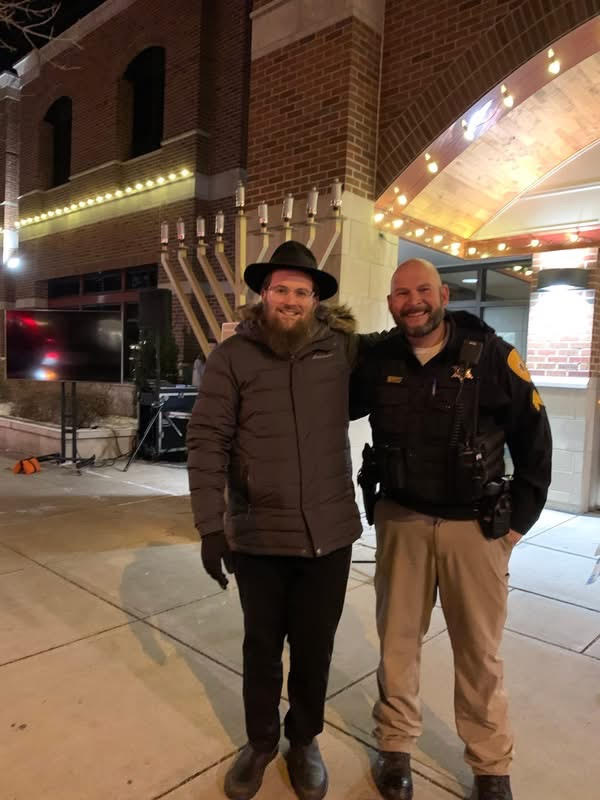
During Covid, when we couldn’t do our regular Chanukah events, we started a Menorah parade through Bozeman escorted by a police detail of 10-15 law enforcement vehicles. It turned out that such parades with street closures are not legal in Montana, but during Covid and its aftermath, we managed to pull it off. One of the Sheriff Deputies who escorted us and participated in our Menorah lighting the following year in downtown Bozeman was Sgt. Colter Metcalf. He was a mensch who wanted to do good, and when I was struggling with one of my kids refusing to wear a seatbelt, I asked him to come speak to my kids about car safety and he did.
Well, after five years, Colter reached out that he’s retired from the force and is now running to be a commissioner on the Gallatin County commission, which is Bozeman’s county. He came to visit the shul, and I believe he’s in it for the right reasons, to make our community safer, more profitable, and more sustainable. We had a great chat and once again I was encouraged by the state of humanity with good people seeking to do good things. So next time you feel like the world is “off-kilter,” get off social media and yeshiva websites and talk to your neighbor, your shul friend, your co-worker, and you will find that most people are beautiful and just looking to connect to something bigger than just themselves. Give them a Pesach Sheini, give them a chance to express their deepest core, and you will find holiness and goodness.
Rabbi Chaim Bruk is co-CEO of Chabad Lubavitch of Montana and spiritual leader of The Shul of Bozeman. For comments or to partner in our holy work, e-mail [email protected] or visit JewishMontana.com/Donate.