


Overcoming Crisis: A Lesson From Rabbi Sacks, zt’l
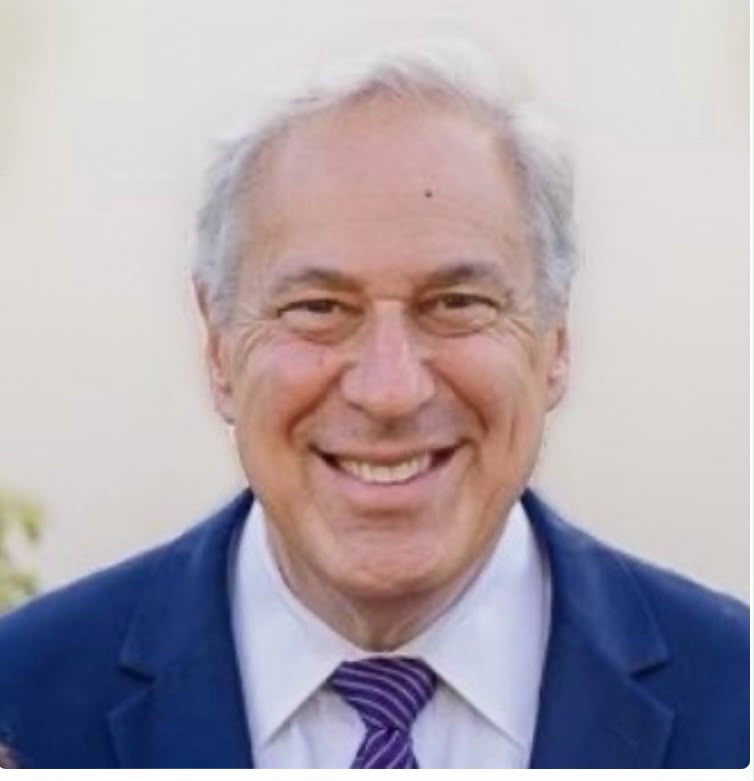
By: Rabbi Leo Dee
Following the tragic loss of my wife, Lucy, and daughters, Maia and Rina, in a terror attack in April 2023, I found inspiration in a specific teaching of Moreinu Rabbeinu Rabbi Lord Jonathan Sacks, zt’l, from parashat Chayei Sarah, the week of his yahrzeit.
Rabbi Sacks teaches (Covenant & Conversation) that Abraham reached the tender age of 137 and G-d had made three promises to him:
1) He would inherit the land of Canaan
2) His offspring would be uncountable as the sand on the seashore
3) He would become the father of many nations
And yet Abraham was in crisis because:
1) He did not own one square millimeter of Canaan
2) His son, Isaac, was unmarried and so he had no grandchildren
3) He had no connection to any other nation
Here, Rabbi Sacks, based on conversations with many Holocaust survivors, brings an incredible insight. Abraham does not give up or put his faith in G-d to bring about these promises through miracles. Instead, he sets about fulfilling those promises through his own efforts.
1) Abraham acquires the Cave of the Patriarchs to bury Sarah. This was the first Jewish land purchase in history, thereby advancing the ultimate inheritance of the land by his descendants.
2) Abraham sends his servant, Eliezer, to find a wife for Isaac. He returns with Rebecca and the rest is (Biblical) history.
3) Abraham remarries at the end of the parashah, to Ketura, and they have six sons. He gives them Indian-sounding names and sends them off to India (see Rashi) with gifts. Some commentators explain that these gifts were the “Kabbala,” Jewish mysticism. Given that Hinduism identifies its roots back four thousand years, to the time of Abraham’s sons, this would seem to suggest that Hinduism, and ultimately Buddhism, have their roots in the Torah of Abraham. The absolute, ultimate reality and the supreme divine force in Hinduism is called “Brahman” which sounds very close to Abraham.
In crisis, Abraham does not give up. In this he paved the way for many Holocaust survivors who suffered so much and yet decided to build new lives. In crisis, Abraham does not wait for miracles. Nor did the early fighters of the Israel Defense Forces who fought against all odds to secure the modern State of Israel. In crisis, Abraham understands that this is his moment to act.
In this message, and in so many other examples, Rabbi Sacks was the one to express our history in terms that are so clear that we actually have to listen. I listened to him and I am still listening to him. I now agree wholeheartedly that the best response to a crisis is to act. Not only does it bring progress in healing, but it is a therapy all of its own. n
The writer is the author of The Seven Facets of Healing, a book describing the positive steps that anyone can take following a crisis in their life. It is available to order at Amazon.com/Seven-Facets-Healing-Leo-Dee/dp/9659329105