
That Week
By: Larry Gordon
This is the week on our annual calendar that is very different from all the other weeks. And it’s always been that way.
Perhaps over the decades we’ve changed somewhat, but the week in question—this week—has somehow always managed to maintain its grit and character and essentially been the same regardless of what’s going on in the world around us, and as you know, there’s a lot going on.
And this observance stands out in frum—that is, Orthodox Jewish—life almost exclusively. Where else can you exclaim, “Oh, it’s the Nine Days,” and everyone around you will know what you’re talking about?
The Nine Days involves a lot. It involves remembering the destruction of our two Holy Temples and being mindful of the hope of rebuilding it. It’s about dining on fish and pasta for the first eight days of Av, and if you know your way around Jewish life, perhaps you can still incorporate a bottle of red, a tomahawk steak, and even a few sausages onto the menu for dinner.
Of all the Nine-Day periods over the last few decades, I have perhaps just one clear recollection. And that is the thin pieces of very tasty brisket that were usually served mid-week for dinner in Camp Agudah when I was a teenager. Is that a memory for a grown man to have? The answer is I have no idea, but I do know that it was during those summer weeks that I made my peace with brisket and things have been good between us ever since.
The Nine Days is the apex of our national mourning period as a people. At many times during our history, we were knocked for a loop by the nations with the objective of taking us down for the count, so we couldn’t pick ourselves up and experience another day.
But that is not what we do. We pick ourselves up and keep moving forward. We never say no, that it’s too hard or too difficult, or that we cannot take it anymore. No matter what happens, we declare it again and again: Am Yisrael chai. We push ahead and we live. We live, we live, and we live.
And we remember.
And just in case we might suspect that we can slip and not recall certain events of our past, we have these nuanced traditions that keep us mindful of who we are and what we have overcome. This is the time of year we mourn the destruction of our two Holy Temples in Jerusalem many years ago. The objective of our enemies was the same then as it is today: to make us forget our special, unique relationship with HaKadosh Baruch Hu.
The world will battle that possibility to the bitter end. Not only do they want to make sure we don’t see our relationship with Hashem as being special. It’s more than that. They want us to believe that we have been ostracized and rejected by Him, and no matter how hard we try, we will never successfully crawl our way back, in case we thought we were actually there sometime in the past.
But so much time has passed and it’s so easy to forget. So, we do these things in our day and age that have become habit to make sure we never forget these Nine Days leading up to us sitting on the floor, fasting and praying, hoping that one day we will wake up and there will be an aura and a change in the air. But it will come. It will be a new era when everything we studied and read about will become real.
In the meantime, we abstain from meat and wine as an outward sign of our national mourning. It allows us to remember that something is wrong and missing from our lives.
As a result of watching our parents and grandparents, we’ve taken on these habits and traditions that anchor us at this time of year under the moniker of the Nine Days. This Shabbos is Shabbos Chazon, when the Nine Days are suspended, so to speak, for 25 hours. No matter how you look at it, it’s a very meaningful week.
Also, during this nine-day period, we abstain from taking haircuts or shaving. There are also some other things that we may not even be completely conscious of during these Nine Days that we abstain from. If you notice someone on the train, you might observe a few days’ stubble on his face because unlike his normal routine, he hasn’t shaved for several days.
Of course, if you’re the kind of person who customarily has a beard, then this doesn’t apply to you.
Then there’s the flip side of these customs. For example, we don’t consume meat or chicken or duck, hot dogs or burgers during these Nine Days. But these things are reversible if for instance you are observing a seudas mitzvah, a celebratory event like a siyum haTorah that would permit you to partake of festive foods.
Our calendar is dotted with BBQs, both indoor or outdoor, to celebrate these types of events every summer and are maneuvered into these Nine Days. The most common type of festivity is the completion of a tractate of Talmud, which is usually accompanied by a festive seudah that features some fine foods, including steaks, lamb chops, etc.
Sure, the conversation and debate go on: Do you have to be an active participant in the siyum haTorah or is being within a mile or two good enough for you to enjoy the steak along with some steak fries?
Anyway, here we are. This is that week. If you don’t want to circumvent the tradition, you’ll be eating lots of lasagna, pasta, sushi, pizza, and the like. If you can’t get through a week without a lamb chop or at least a burger, then you can always go to a benefit BBQ for Puah, Sharsheret, or Colel Chabad.
There are many organizations that have a festive siyum haTorah for you to partake of before you go back to consuming spaghetti and milkshakes throughout the week.
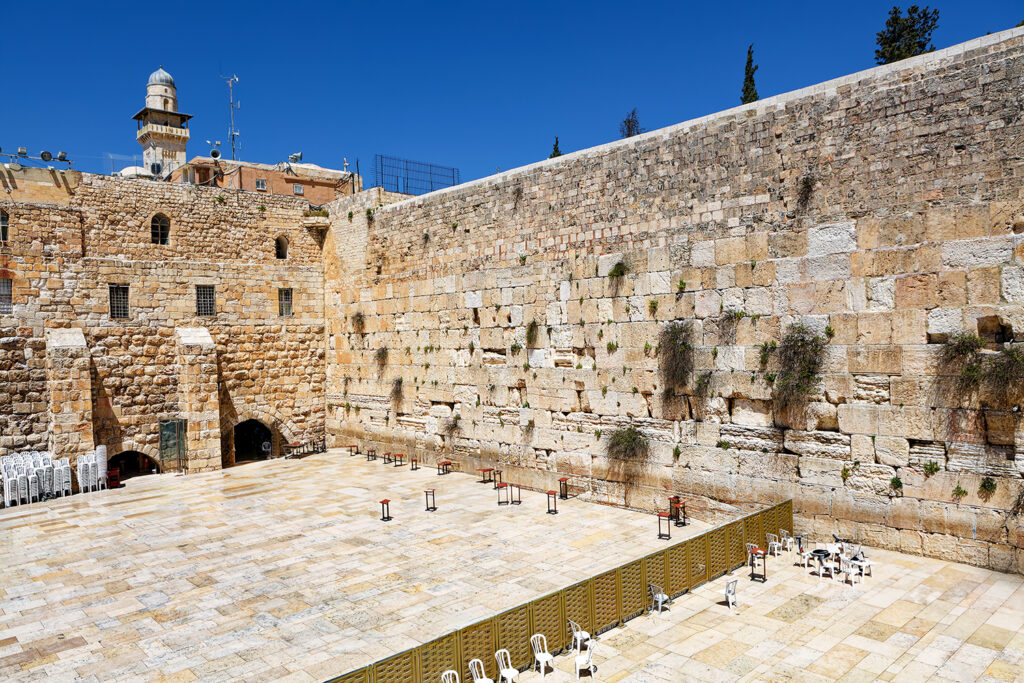
As I finish this essay on the Nine Days, let’s not lose sight of what is really going on here. We are mourning the loss of our two Holy Temples that stood so proudly on that hill in Jerusalem. But let’s not forget that there’s an element that is unusual and even a tad abnormal about mourning our losses in this fashion.
When we mourn the loss of a loved one, we experience the most intense type of mourning on the day of the death or funeral. Then there’s the slightly less intense mourning period, which occurs during the seven days of shivah followed by the shloshim, or 30 days of mourning, which is followed by the full year of mourning of a less intense nature.
When it comes to mourning the loss of our Holy Temples in Jerusalem, the intensity of our mourning is reversed. First there’s the Three Weeks, which are less intense, then the Nine Days, which are more pronounced, then there’s Tishah B’Av next week, the culmination of our mourning or aveilus.
The Rav, Rabbi Joseph B. Soloveitchik, explained this backward type of mourning at this time of year in simple terms. We mourn in reverse almost abnormally because a Jew living life without a Beit HaMikdash, without our Holy Temple, is just backwards, not normal. May that change speedily in our days and may these days transform from days of sadness to days of gladness and joy, Amen.
Read more of Larry Gordon’s articles at 5TJT.com. Follow 5 Towns Jewish Times on Facebook, Instagram, and Twitter for updates and live videos. Comments, questions, and suggestions are welcome at 5TJT.com and on Facebook, Instagram, and Twitter.