The Double Musaf on Sukkot
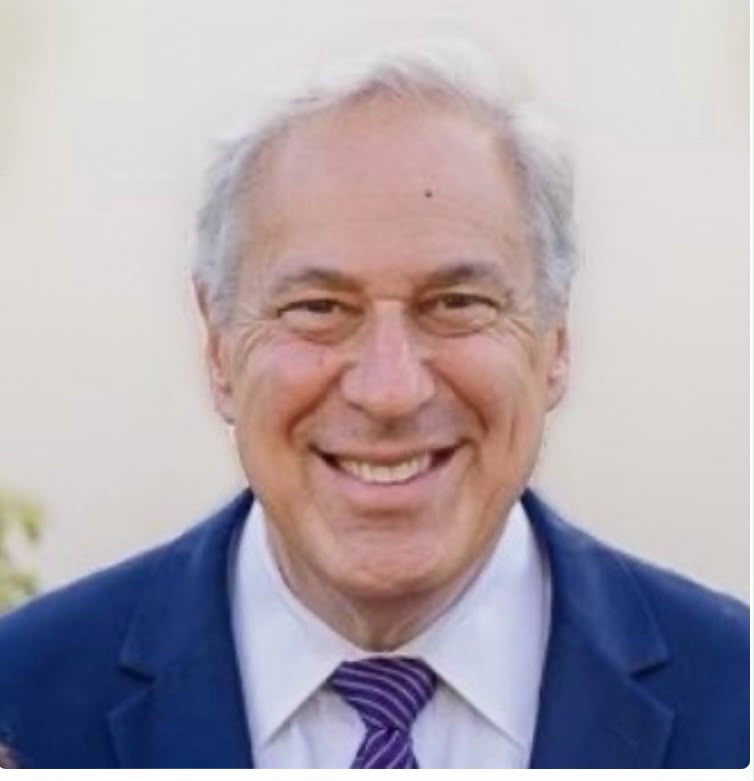
By: Rabbi Menachem Leibtag
In Parashat Pinchas (Bamidbar 28–29) we find a complete list of all the korbanot musaf which we offered in addition to the daily tamid offering in the Beit HaMikdash.
If you make a table of the korbanot for each holiday, you will notice an interesting pattern:
On each of the Tishrei holidays (except Sukkot), i.e. Rosh Hashanah, Yom Kippur, and Shemini Atzeret, we offer an identical korban musaf—1 par, 1 ayil, and 7 kevasim.
On each of the shalosh regalim (except Sukkot), i.e. Chag HaMatzot and Shavuot, we offer an identical korban musaf—2 parim, 1 ayil, and 7 kevasim.
The musaf of Sukkot is quite different, each day the amount of parim changes (from 13 down to 7), and each day we offer 2 aylim and 14 kevasim! (See Bamidbar 29:12–34)
The additional parim are the most striking difference, and Chazal explain that these are added for the 70 nations for whom Sukkot is also celebrated (13+12+11+10+9+8+7=70). (See also Zechariah chapter 14, haftarah on first day Sukkot)
However, the extra ayil and kevasim also require explanation.
Note, that they are double the number that are offered on all of the other holidays. In other words, instead of 1 ayil, we bring 2 aylim; instead of 7 kevasim, we bring 14 kevasim. This indicates that there must be something ‘double’ about Sukkot.
The answer may be quite simple. Sukkot is both one of the shalosh regalim (see Sh’mot 23:14–17 and Devarim 16:1–17), and a Tishrei holiday as well. Therefore, it requires a double musaf. In other words, it should have daily:
3 parim (2+1);
2 aylim (1+1);
14 kevasim (7+7).
However, we add an additional 49 parim (10+9+8+7+6+5+4) to reach a total of 70 (49+(3×7)=49+21=70), as explained above.
This may reflect the double nature of Sukkot. On the one hand it is one of the shalosh regalim in which we thank Hashem for our harvest of the agricultural year which has just finished. At the same time, we stand in anticipation of the agricultural year which is about to begin, awaiting its important rainy season, just as we do on all of the other Tishrei holidays.
This ‘double nature’ is reflected by the two times in daily davening on Sukkot when we hold the lulav and etrog, during:
1) Hallel – to thank G-d for the harvest of the past year;
2) Hoshanot – to pray to G-d in anticipation of the new year.
Similarly, this ‘double nature’ may also reflect the two reasons that Chazal (see Sukkah 11b) give us for sitting in the sukkah.
1) Sukkot mamash – real booths, to protect us from the sun. This may reflect the aspect of the harvest holiday, where we need to build temporary booths in the field as we gather our fruits in the fields.
2) Sukkot k’neged ananei ha-kavod – representing G-d’s Shechinah which protected Bnei Yisrael in the desert. This may reflect a more spiritual aspect of the holiday, as we attempt to re-live an intimate relationship with Hashem.
The full dvar Torah can be found at tanach.org.
Rabbi Menachem Leibtag is an internationally acclaimed Tanach scholar and online Jewish education pioneer. He is a member of the Mizrachi Speakers Bureau (Mizrachi.org/speakers).