


The Orthodox Union Fills a Critical Gap with Inaugural Chosson Rebbe Conference
For all the responsibility chosson rabbeim carry in preparing young men for marriage, they’ve long lacked something their counterparts who teach kallahs have had for years: a forum for professional development, collaboration, and peer support.
The Orthodox Union’s Halacha Initiatives Department responded to this gap by recently organizing the first-of-its-kind Chosson Rebbe Conference.
“While kallah teachers benefit from conferences, educational programs, and professional networks, no comparable forum existed for the men responsible for preparing chassanim,” says Rabbi Ezra Sarna, director of Torah and Halacha Initiatives at the OU. “Chosson rabbeim need a broad understanding of the issues that can arise in a marriage, as well as access to experts they can consult when necessary. Their roles don’t end with the wedding. They remain mentors and guides, helping couples navigate everything from common questions to more complex and sensitive issues.”
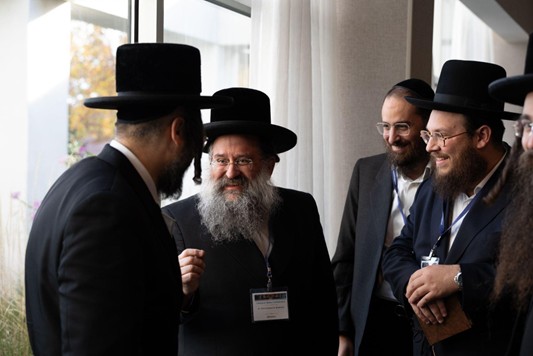
Designed to foster collaboration, ongoing education, peer support, and chizuk, the daylong conference was held at the Delta Hotels Woodbridge in Iselin, New Jersey. Sponsored by Ezra and Racheli Friedberg, the gathering brought together 150 current and aspiring chosson rabbeim, rabbonim, yeshiva rabbeim, and mental health professionals from Arizona, Maryland, Massachusetts, New Jersey, New York, Pennsylvania, Texas, Canada, and Israel.
The conference covered a broad range of topics reflecting the complex issues chosson rabbeim encounter as they prepare young men for marriage and support them in the years that follow. Led by esteemed rabbonim, poskim, dayanim, chosson rabbeim, and medical practitioners, sessions addressed the fundamentals of shalombayis, tailoring chosson guidance to individual needs, halachic perspectives on prenuptial agreements, infertility, marital intimacy, and communication and conflict resolution, among other topics.
Interactive breakout groups explored how to identify and address addictions and behavioral challenges; help those with rigid, black-and-white thinking consider other perspectives to strengthen their marriages; and establish post-wedding follow-up to support couples as they navigate married life.
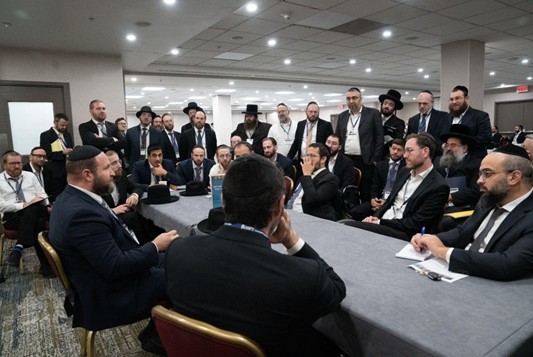
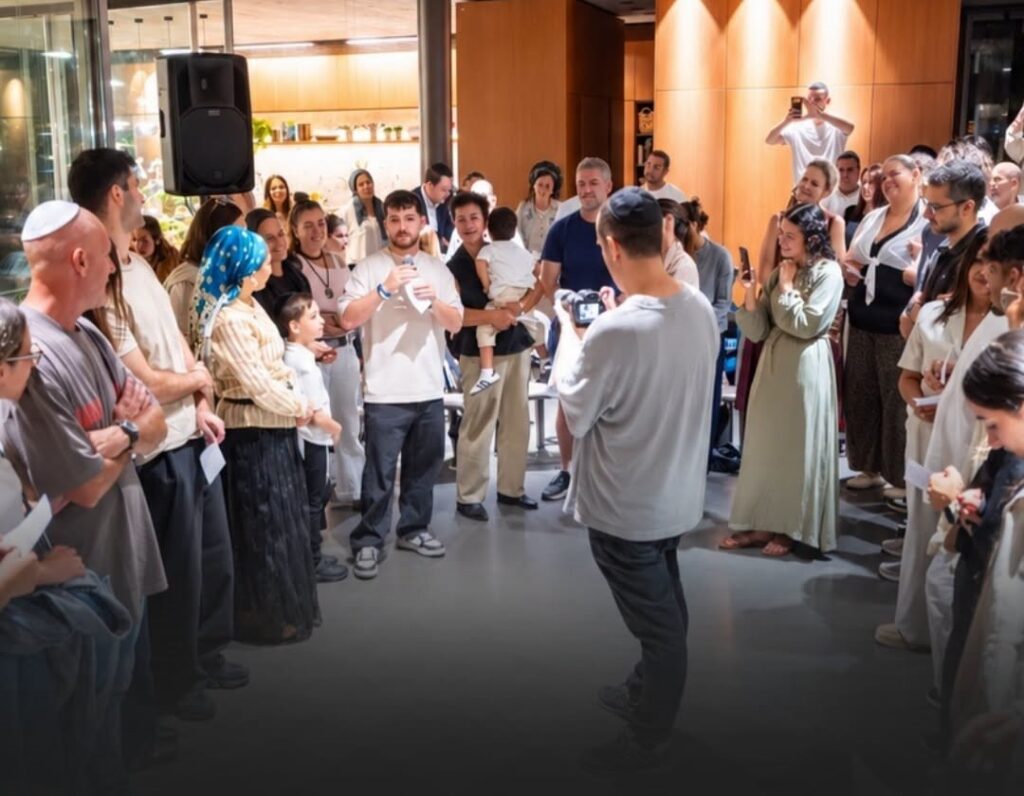
Dr. Yaakov Scutaru of CHEMED Health Center in Lakewood, New Jersey, leads a breakout session on medical concerns raised by chassonim.
A fourth breakout group addressed medical and physical concerns chassonim raise before and after marriage. The discussion was led by Dr. Yaakov Scutaru, an internist at CHEMED (Center for Health Education, Medicine and Dentistry) in Lakewood, New Jersey, who drew on his experience as a primary care physician.
“In my practice, many young men have come with questions they weren’t sure whom to ask, on topics ranging from physical health and medications to anxiety and whether certain experiences are medically normal,” says Dr. Scutaru. “My goal was to help chosson rabbeim distinguish between common concerns that may simply require reassurance and those that warrant medical attention. A knowledgeable and sensitive chosson rebbe can serve as an invaluable source of support.”
Dr. Scutaru was particularly impressed by the openness of the discussions and the thoughtful, sensitive approach participants brought to complex issues, drawing on their experience while remaining grounded in Torah values.
“People brought different perspectives and areas of expertise, yet everyone shared the same goal: helpingchassonim begin and continue married life with greater clarity, confidence, and support,” he reflects.
Dr. Scutaru found that some of the most meaningful exchanges took place outside the formal sessions, during meals and informal conversations.
“These interactions reinforced the importance of communication and cooperation among rabbonim, educators, chosson rabbeim, physicians, and other professionals in ensuring that a chosson receives accurate, appropriate guidance while respecting his dignity, privacy, and values,” he says. “By understanding one another’s roles and knowing when to collaborate, we can serve young couples much more effectively.”
Rabbi Yitzchak Meystelman of Phoenix, Arizona, a marriage and family therapist who also provides hashkafic guidance and premarital counseling to chassonim, shared Dr. Scutaru’s appreciation for collaboration across disciplines. He was particularly struck by a presentation by Rav Uri Deutsch on helping couples experiencing difficulties in their marriages.
“I appreciated hearing the rabbonim’s perspectives on relationships and how they complement clinical approaches,” he says. “Rabbi Deutsch emphasized that shalom bayis challenges are rarely purely spiritual or psychological. His message deepened my appreciation for the importance of rabbonim, mental health professionals, and chosson rabbeim working together to help couples build healthy marriages.”
For Rabbi Meystelman, the opportunity to connect with others doing similar work was another highlight of the conference.
“Living in Phoenix, I sometimes feel a bit isolated from others in this field,” he says. “I wanted to connect and network with people doing similar work, and gain chizuk from the excellent speakers. I was impressed by the great lineup of rabbonim sharing their Torah wisdom.”
He also appreciated a question-and-answer discussion with Rav Chaim Tesser, moderated by Rav Eli Reisman, on approaches to working with ba’alei teshuvah and young men who are unmotivated or disenchanted.
While Rabbi Meystelman highlighted the value of integrating different approaches to marriage guidance, Rav Meyer Gruenebaum emphasized the foundational skills chassonim need to build healthy, lasting marriages.
As director of the Harry H. Beren Center for Family Life at Beth Medrash Govoha in Lakewood, New Jersey, Rav Gruenebaum oversees a program that prepares approximately 1,200 chassonim annually. Its team of 70 halacha rabbeim and 27 chosson madrichim provides each chosson with 15 to 21 hours of instruction in halacha, hashkafa, and shalom bayis. The center also offers post-wedding programs to help couples strengthen their relationships and navigate married life, along with an annual financial education event.
In his session, “The Heart of the Matter: Setting the Foundation of Healthy Marriages,” Rav Gruenebaum stressed the importance of teaching chossonim to foster a sense of security and trust in their marriages while recognizing and appreciating their wives’ unique talents and personalities.
His message to the chosson rabbeim was one of both responsibility and opportunity.
“Chosson rabbeim have a unique opportunity to influence generations by equipping young men with the foundational skills for marriage and continuing to guide them after the wedding, when those lessons can be more fully understood and absorbed.”
Rav Gruenebaum views the conference as an important step toward building a community of professionals who can continue learning from and supporting one another.
“The conference fostered a powerful sense of achdus among those working with chassonim and newlyweds, providing chizuk in their holy work,” he says. “It also gave talented professionals invaluable opportunities to exchange ideas and connect with others in their field, opportunities they might not otherwise have had. A well-deserved yasher koach to the OU and Rabbi Sarna for facilitating this conference that will really enhance the future of Klal Yisroel.”