


The Post-Tishrei Shofar Blowing
Hostages released. The dead returned to kevurah Yisrael. Tehillim discontinued?
After two years of dread, horror, hope, and prayer, we have witnessed the miraculous return of the emaciated victims of torturous captivity returning to Eretz Yisrael. The world may never know the full immensity of their hardship and trauma. It will be a long process for each hostage to begin the job of repairing his life and for the Jewish nation to recover from the trauma that began on October 7.
Rabbi Yisroel Salanter observed that erasing takes much more effort than writing. Think about how the deft stroke of a pencil leaves a mark on a paper, yet only vigorous and repeated pressure and friction can erase that mark. The human body is similar. Try flexing and tightening a muscle. You can do that in a second, but when you release the pressure and try to return that muscle to its original state, it can take much longer. Electromyographic studies show that the tension in a muscle remains long after the pressure is released. The brain is like that too. It is for this reason that our Sages compare the imprint of trauma to writing on a blank piece of paper. Every smudge and crease leaves its mark. The Talmud Yerushalmi says that a bad experience stays with us much longer than a positive one. The brain does not give up or forget negative encounters so easily. Trauma lingers.
Some congregants have asked me if the return of the hostages constitutes grounds for celebration, joy, and prayers of thanksgiving, or if our reactions should be more muted in view of the fact that some of the hostages did not return, and died al Kiddush Hashem. That question is painful to answer. It highlights the existential dialectic that even during our moments of elation we face adversity and even treachery. Can a person ever experience pure happiness, or is our happiness inevitably doomed to be overshadowed—even poisoned—by the concurrent reality of pain and tragedy?
My dear friend Rav Yehoshua Liff, a beloved rosh yeshiva in Jerusalem, shared with me two years ago that following October 7, he approached the foremost posek, Rav Moshe Sternbuch, shlita, and asked what blessing he should focus on in his daily prayers. Rav Sternbuch instructed him to concentrate especially on the berachah known as Teka b’Shofar Gadol, in our weekday Amidah. I will translate the essence of this supplication: “Sound the mighty shofar for our liberation and raise up the banner to gather in our exiles, unifying them from the four corners of the globe. Blessed are You, Hashem, Who gathers in the dispersed of His people Yisroel.”
Rav Liff tells me that he focused on this blessing over 700 times in his thrice-daily prayers, and with the hostages returning home, there is some fulfillment of his prayers. But I know we are not finished yet. The blessing pleads for the release of the entire Jewish nation from exile from every corner of the world. Right now, Jews are dispersed virtually everywhere, whether in religious communities or otherwise. We are not yet home. From my point of view, we have much to rejoice over currently, yet we have the simultaneous stress of knowing what we have endured. We must give our prayers of thanksgiving. We must continue with prayers of supplication. And, in my opinion, this is not the time to discontinue our Tehillim. We must pray for our final Redemption. Now that the hostages are free, let us pray that we will also be redeemed.
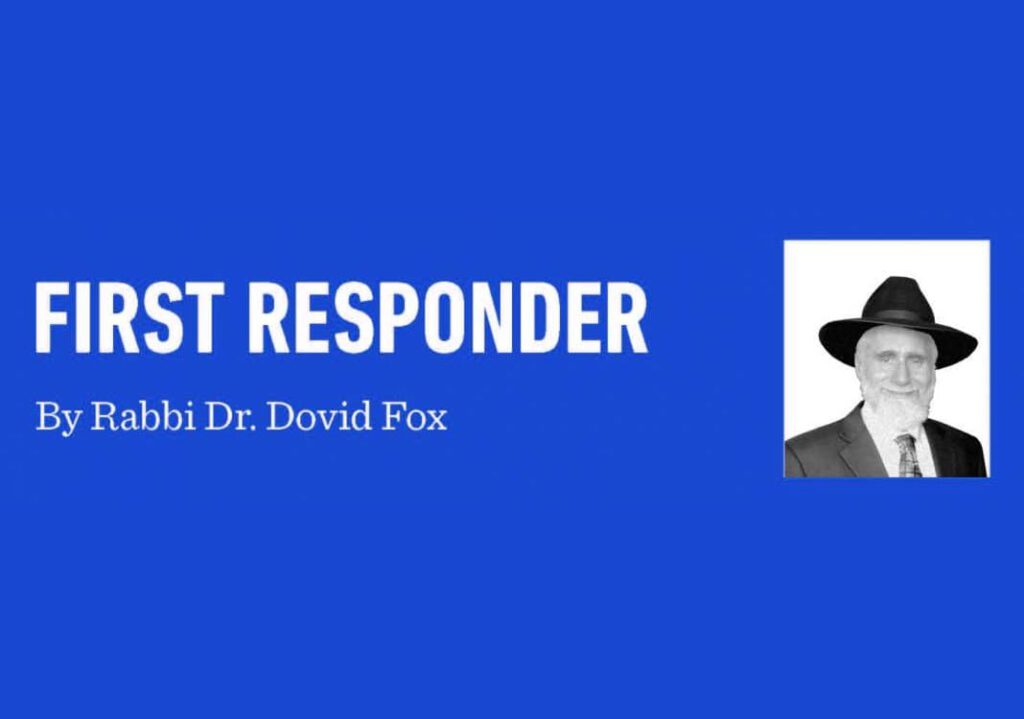
Rabbi Dr. Dovid Fox is a forensic and clinical psychologist, and director of Chai Lifeline Crisis Services. To contact Chai Lifeline’s 24-hour crisis helpline, call 855-3-CRISIS or email [email protected]. Learn more at ChaiLifeline.org/crisis.