
Two Elections
By: Larry Gordon
It’s odd that this fall there will be two pivotal elections held at opposite ends of the earth that are so deeply connected to each other.
Contrary to what you might think, Benjamin Netanyahu is not going to be the permanent leader of Israel. But that doesn’t mean he can’t win at least one more time this fall when Israelis vote in legislative elections on October 27, which will see Bibi attempt to win another term in office.
In the first national election since October 7, Netanyahu is facing his toughest challenge yet as he attempts, within the parliamentary system, to gain a majority of seats in the Knesset. Since no single party can win an outright majority, they engage in coalition-building with multiple parties, and those alliances are what ultimately decide which personality will ultimately lead the country.
From today’s vantage point, it looks like there’s a good chance that Netanyahu and the Likud will be re-elected and that Netanyahu has the best chance to patch together a ruling coalition. The upcoming election will present a unique chance for the religious parties that are currently an essential part of the ruling Likud coalition government. The percentage of Chareidi members of the Likud Party has reportedly tripled recently in order to increase their influence on the ruling party.
The primary issue here is the government stance on the requirement of compulsory military service for Chareidi youth. The religious parties that influence the current government have put through a bill that not only will exempt yeshiva students from mandatory IDF service, but will also guarantee their rights and access to benefits.
There is a multi-episode program on a platform known as IZZY TV called “Commandments.” Of course, the story is fiction, but it addresses this exact issue, showing the efforts by the IDF to enlist yeshiva students in the military. It’s not just about pulling yeshiva students away from their Torah studies. More than anything, it’s about how young men with deep and extensive yeshiva backgrounds become estranged from their families once they decide to enlist.
Some of the religious young men do indeed want to serve in the IDF but are torn by what it will do to their families. In some of the scenes, you see how the young man’s mother is packing up his clothes as she prepares to remove him from the home because she fears he will exert a negative influence on the other children.
On the flip side, we also see the extent to which the IDF goes to facilitate a religious lifestyle for the Chareidi recruits. As long as there is no imminent war or national emergency, they are sensitive to how the Chareidi soldiers observe Shabbos, yom tov, etc.
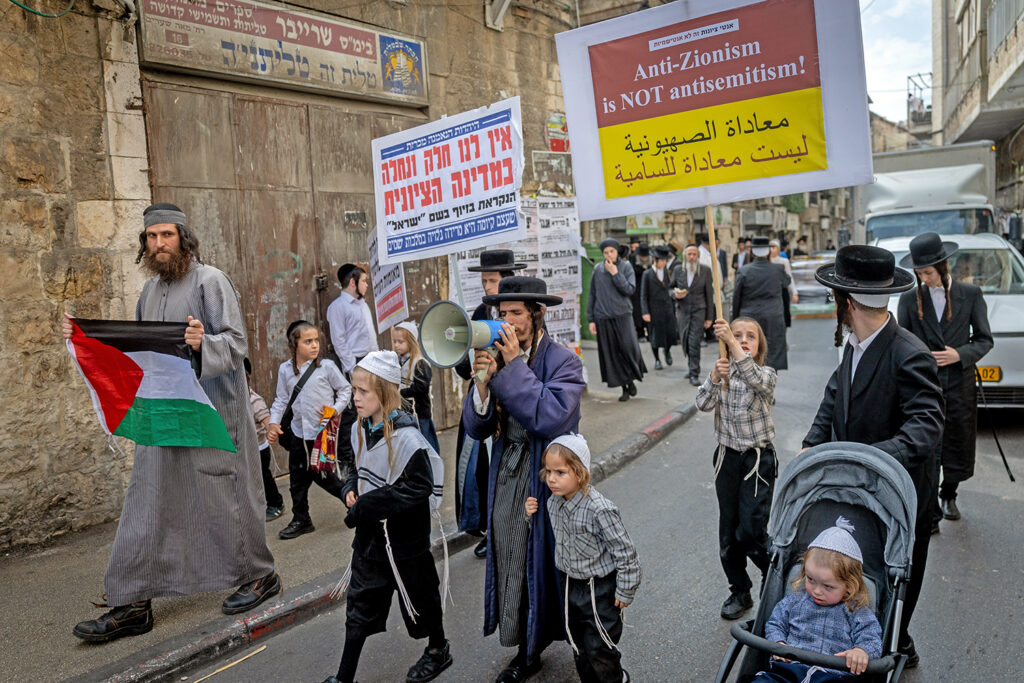
For a number of election cycles, a major issue has been about whether or not to draft yeshiva students into the IDF for any type of service. One of the most horrid scenes we have been forced to watch over these past few years is how yeshiva students are fighting with police in the streets of Jerusalem in an extreme act of chillul Hashem, an issue that everyone says must be addressed right after the election this October.
Of course, if the Likud manages to garner 25 to 30 seats in the Knesset and needs Shas and United Torah Judaism to join their ruling coalition, then the status quo will most likely remain with a few adjustments here and there. But then again, polls show that the new Yashar Party with its leader, former General Gadi Eisenkot, may end up as prime minister in a coalition that does not require Chareidi party participation. Another possibility is that former Prime Minister Naftali Bennett of the New Right Party may also garner enough Knesset seats to patch together a ruling coalition.
As Bennett demonstrated when he was Prime Minister from 2021 to 2022, he did not hesitate to include an Arab party (Ra’am) into his coalition to give him a majority for his government. If Bennett ends up with enough seats for a majority without the need for the right-wing religious parties to form a coalition, that could end up being bad news for yeshiva students looking to avoid military service.
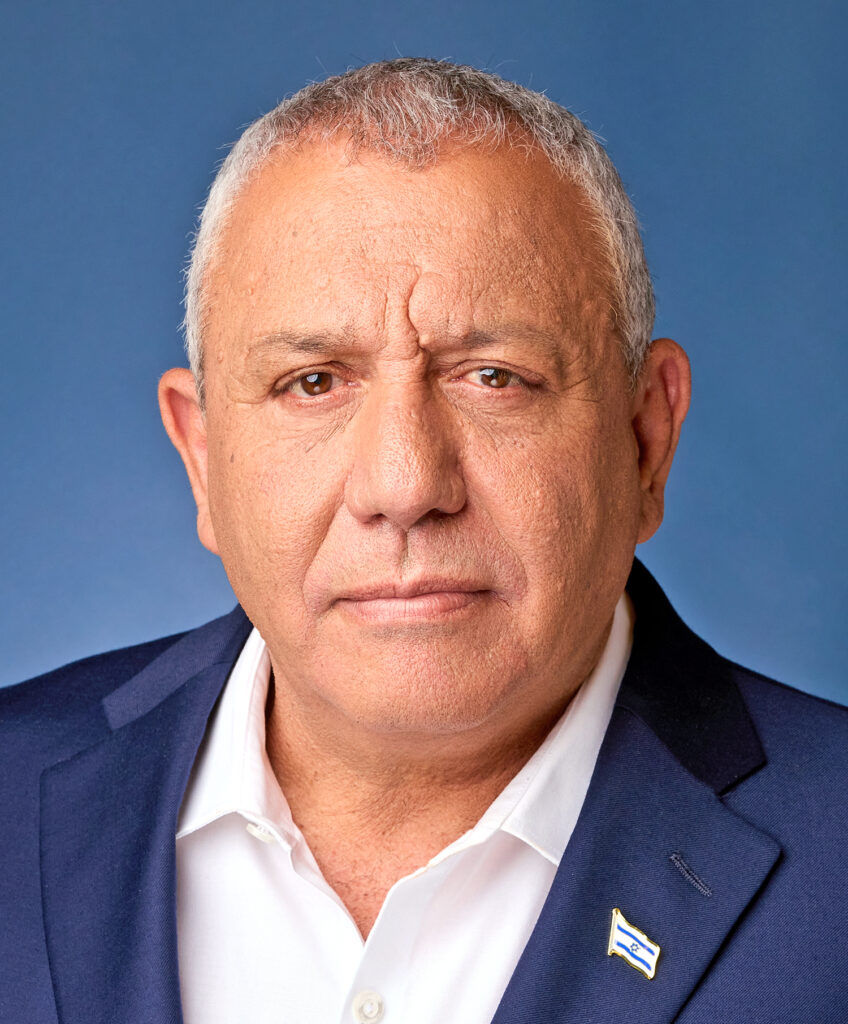
Former Israeli army chief of staff Gadi Eisenkot advocates for a state rooted in national-Jewish values but with equal rights for all citizens
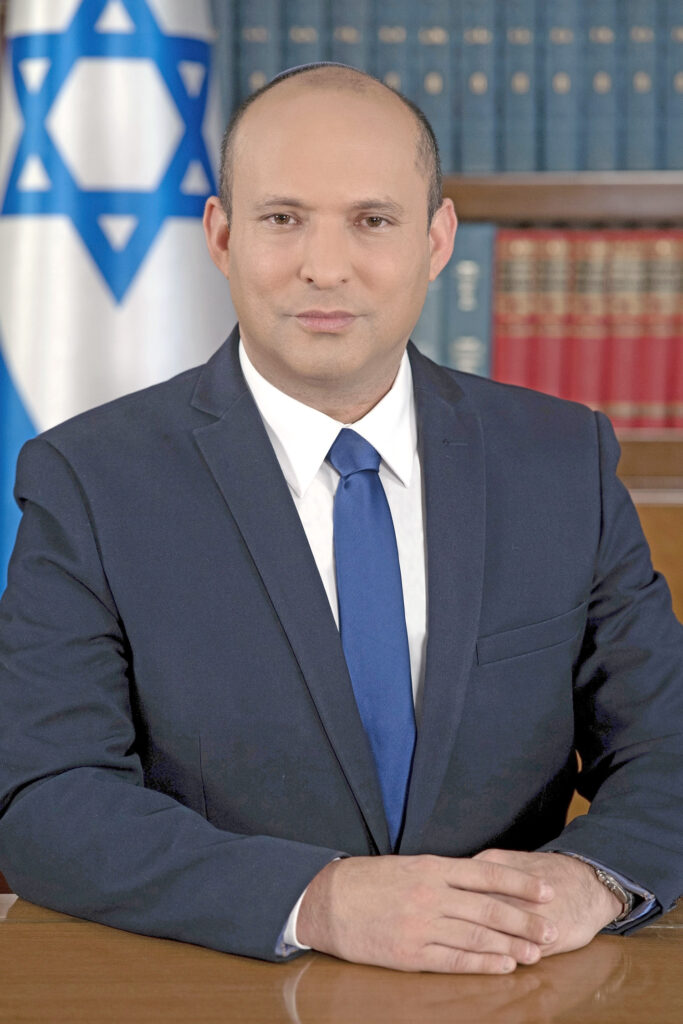
Former prime minister Naftali Bennett of the B’Yachad Party
One of the unknown aspects in all this is the number of secular Israeli youths who just disregard their draft notices for the IDF. Right now, there are about 30,000 Israelis designated as draft evaders. Half of them are Chareidi and the other half are members of the general public. The secular draft dodgers suffer the consequences of their decision by being stopped at Ben Gurion Airport, not having their passport renewed, and having problems with employment. But they do not go out to the streets to do battle with the police and they are not being chased by the news media.
The other important election is the mid-term election in the United States. All 435 members of the House of Representatives are up for re-election this year as are a good number of senators. The election results will determine the balance of power in DC, and whether or not the House will pursue impeachment proceedings against President Trump.
But there is even more at stake here, such as the nature of U.S. foreign policy and the extent to which that policy affects Israel. When the Democrats had a majority in the House during Trump’s first term, they may have seen the effects a long, drawn-out impeachment proceeding had on the U.S. electorate. On the other hand, it may be that the Democrats can never get enough of impeaching Donald Trump.
But then again, the entire impeachment ordeal did not exactly bode well for the Democrats. It made them look disjointed and unfocused on matters that, as top officials, they should have been more focused on. Even though, as a political party, they have nothing but hostility for Mr. Trump, someone on that side of the aisle should have enough sense to decide when enough is enough.
For the most part, the challenge in this case is to figure out how the administration in Washington matches up with leadership in Israel. Over the last 20 years, the oddest pairing has been between President Obama in the White House and Bibi in Jerusalem. All they really had in common was a collection of contentious meetings. The best match to date has been between Bibi and Trump. It’s widely accepted that Trump is the best friend Israel has ever had in the White House. There have been differences over Iran, but nothing is ever perfect.
No matter who leads Israel after October 27, they will still have Trump in the White House for two more years. Of course, it will be additionally convenient if the Republicans maintain majorities in the House and Senate after Election Day.
In the meantime, as we gear up for two elections on opposite sides of the world, let’s hope they turn out in such a way that benefits both the U.S. and Israel. That will be the best way to move forward.
Read more of Larry Gordon’s articles at 5TJT.com. Follow 5 Towns Jewish Times on Facebook, Instagram, and Twitter for updates and live videos. Comments, questions, and suggestions are welcome at 5TJT.com and on Facebook, Instagram, and Twitter.