
Why Probiotics Matter Before and After Surgery: A Plastic Surgeon’s Perspective
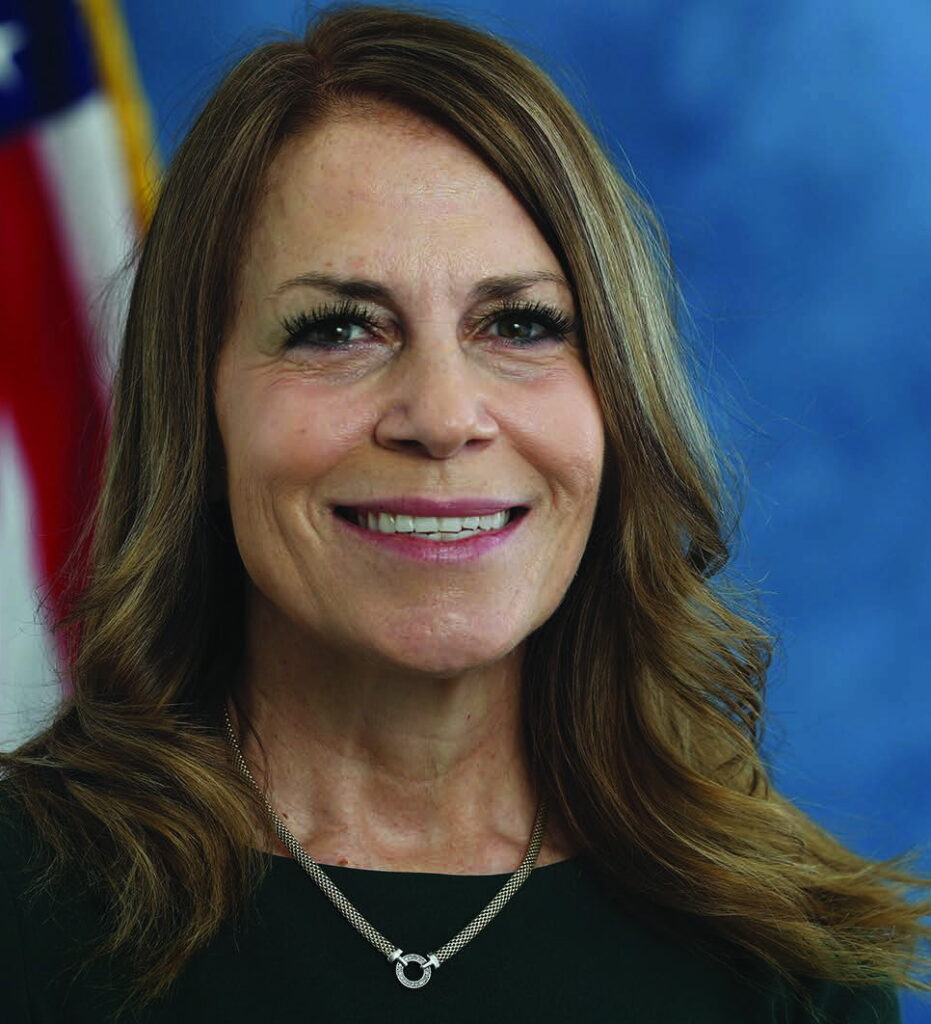
By B. Aviva Preminger, MD, MPH, FACS
When patients prepare for plastic surgery, they usually focus on the visible details: choosing the right procedure, planning recovery time, and arranging help at home. Less often discussed—but equally important—is what is happening inside the body, particularly within the gut. Emerging research continues to demonstrate that the microbiome, the vast ecosystem of beneficial bacteria living in our intestines, plays a central role in immune health, inflammation control, and wound healing. For surgical patients, this matters.
Probiotics are live beneficial bacteria that help maintain a healthy balance within the microbiome. They are naturally found in fermented foods such as yogurt, kefir, sauerkraut, kimchi, and miso, and are also available in supplement form. A healthy microbiome supports immune system function, which is critical around the time of surgery. A well-functioning immune system helps protect against infection, supports efficient tissue repair, and contributes to smoother healing overall.
Inflammation is another key factor in surgical recovery. While some inflammation is necessary for healing, excessive or prolonged inflammation can contribute to increased swelling, discomfort, delayed recovery, and suboptimal scarring. Probiotics have been shown to help regulate inflammatory pathways in the body. By promoting a more balanced immune response, probiotics may help patients experience less prolonged inflammation and a more predictable recovery.
Gut health is also closely tied to nutrient absorption. Healing tissues require adequate protein, vitamins, and minerals to rebuild collagen and form healthy scar tissue. A balanced microbiome improves the body’s ability to absorb these nutrients efficiently, which indirectly supports skin integrity and wound healing. In practical terms, this means the body is better equipped to do the work required to heal incisions and regenerate tissue.
Another important consideration is antibiotic use. Many surgical patients receive antibiotics around the time of their procedure to reduce infection risk. While necessary, antibiotics can disrupt healthy gut bacteria. Probiotics may help replenish beneficial organisms and restore microbial balance more quickly after antibiotic exposure, potentially reducing gastrointestinal side effects and supporting overall resilience during recovery.
It is important to note that probiotics are not a substitute for meticulous surgical technique, proper sterile protocols, or individualized medical care. Rather, they are one piece of a broader, holistic approach to optimizing surgical outcomes. Just as I counsel patients about smoking cessation, good nutrition, hydration, and adequate sleep, I increasingly view gut health as another meaningful pillar of preparation.
In plastic surgery, we strive to control every variable we can in order to achieve safe procedures and beautiful, natural-looking results. Supporting the body from the inside out—including nurturing a healthy microbiome—is an often overlooked but valuable part of that equation.
Practical Probiotic Tips for Surgical Patients
• Consider a high-quality probiotic supplement that contains multiple strains of Lactobacillus and Bifidobacterium species.
• Look for products with at least 10–20 billion CFUs (colony forming units) per serving, unless otherwise directed by your physician.
• Begin probiotics 1–2 weeks before surgery and continue for at least 2 weeks after surgery, if approved by your surgeon.
• Incorporate probiotic-rich foods such as yogurt with live cultures, kefir, sauerkraut, kimchi, miso, and kombucha.
• Pair probiotics with a fiber-rich diet (vegetables, fruits, whole grains) to help feed beneficial gut bacteria.
• Stay well hydrated, as hydration supports overall metabolic and healing processes.
Patients should always consult with their surgeon or healthcare provider before starting any supplements, including probiotics, especially if they have underlying medical conditions, are immunocompromised, or are taking prescription medications. Individual recommendations may vary based on personal health history.
At Preminger Plastic Surgery, we are committed to educating our patients and providing personalized care tailored to their unique needs. For those considering plastic surgery, we offer guidance every step of the way to help you achieve your aesthetic and wellness goals.
Dr. Aviva Preminger is a board-certified plastic surgeon with degrees from Harvard, Cornell, and Columbia. For more information or to schedule a consultation, please visit PremingerMD.com or call 212-706-1900.