




The Dinosaur In The White Coat: Can We Turn Back The Clock On The Business of Medicine?
By: @premingerplasticsurgery
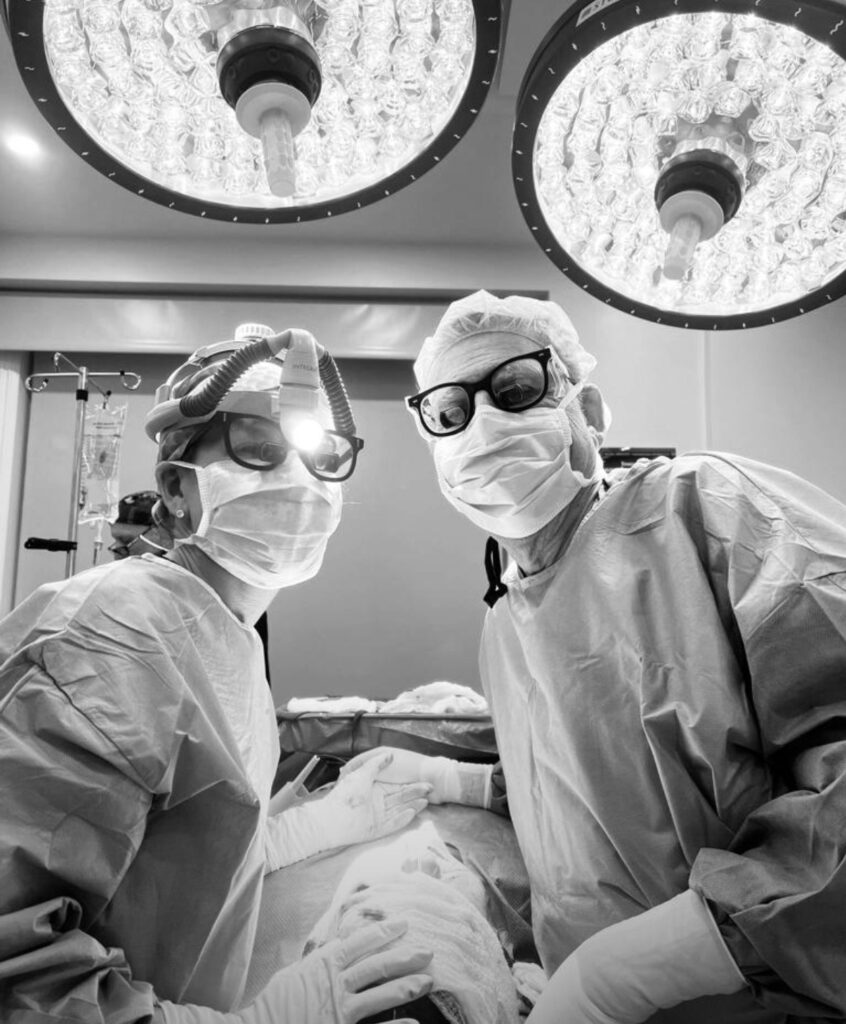
Generations of medical practice—Aviva Preminger operating with her father Dr. Ben Preminger

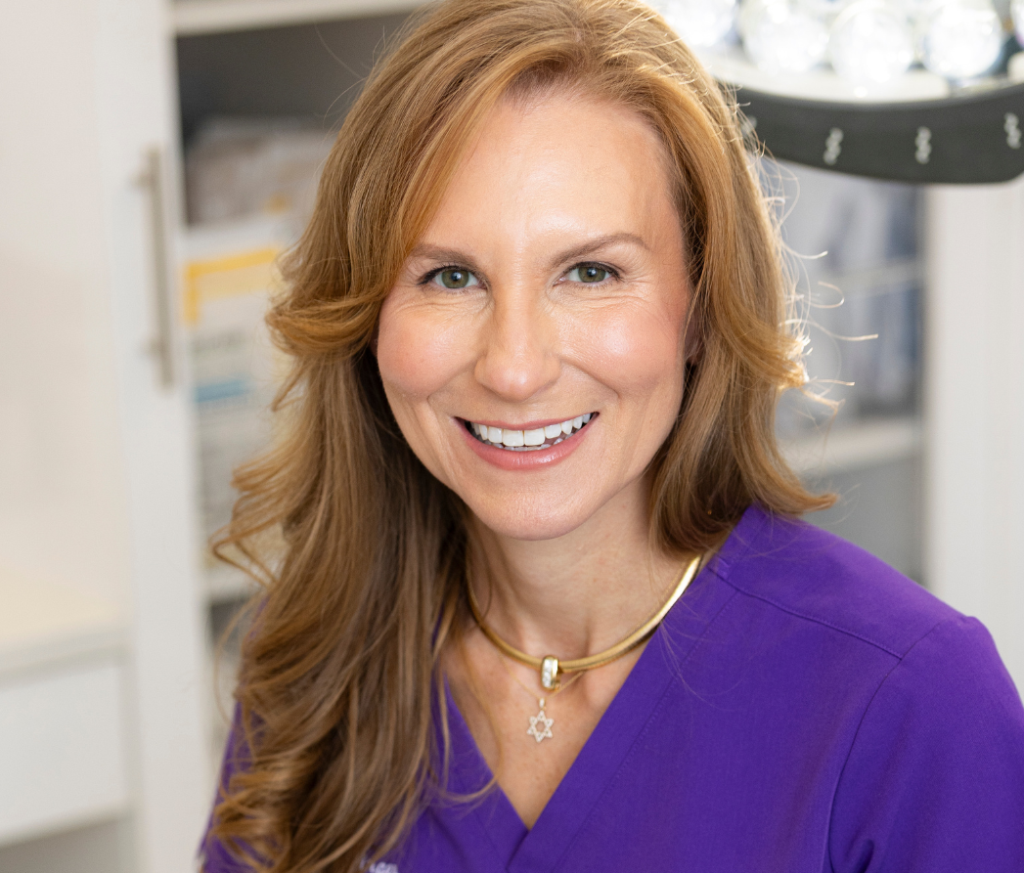
I have come to the rather unsettling realization that I am a dinosaur. If I had options, I would definitely choose to be a purple dinosaur (anyone who knows me knows that purple is my favorite color). Yes, I raised my kids in the age of Barney, and I know he has become a controversial figure. That association is simply coincidental and not relevant to this story. Getting back to the point, I am not a dinosaur in the sense that I am particularly old (although my children might disagree), but in the sense that I belong to what increasingly feels like a dying breed: the independent physician who owns and operates a private medical practice.
I am a third-generation physician. My father and grandfather practiced medicine in an era when being a doctor meant, first and foremost, taking care of patients. Of course, they had their own challenges. Medicine was never easy, and the business of running a practice was never entirely simple. But I cannot help longing for the days when the practice of medicine seemed to be more about medicine and less about everything surrounding it.
When I went to medical school, I imagined my days would be filled with diagnosing diseases, performing surgery, and developing meaningful relationships with patients. And to be fair, much of my time still is. I love operating. I love the artistry of plastic surgery, the intellectual challenges, and the privilege of helping patients feel better about themselves.
What I did not anticipate was how much of my professional life would be devoted to being a businesswoman, human resources director, insurance negotiator, compliance officer, recruiter, and accountant. Somewhere along the way, practicing medicine became only one part of running a medical practice.
Take insurance companies, for example. As an out-of-network physician, I have witnessed firsthand the increasingly complicated and frustrating world of insurance reimbursement. Patients who faithfully pay substantial premiums understandably assume that their insurance will provide meaningful coverage when they need medical care. Yet the process of obtaining reimbursement can feel like navigating an obstacle course designed to exhaust everyone involved. There are preauthorizations, medical necessity letters, requests for additional documentation, denials, appeals, and reimbursement calculations that seem to defy logic. Hours can be spent arguing over whether a procedure such as a breast reduction is medically necessary, sometimes with someone who has never examined the patient and may not even practice the same specialty (and sounds like they may not have yet graduated high school). And then there is the impossible position in which the physician finds herself: advocating for a patient while simultaneously trying to keep a business financially viable.
The part that frustrates me most is human resources. Recently, I found myself once again searching for a medical assistant after losing a member of my staff. Anyone who has owned a small business understands that employees are both its greatest asset and one of its greatest challenges. In a small private practice, losing even one employee can disrupt the entire operation. There is no enormous corporate human resources department ready to step in. There is no deep bench of replacement personnel waiting in the wings. There is simply the physician, who must somehow continue seeing patients, performing surgery, answering questions, and managing a staffing crisis, often simultaneously. Suddenly, I am writing job descriptions, posting advertisements, reviewing résumés, conducting interviews, checking references, and negotiating compensation packages. I find myself contemplating salary structures, benefits, paid time off, and the delicate balance between creating a positive work environment and maintaining a sustainable business. Increasingly these days, I joke that I should have earned an MBA along with my MD (maybe it isn’t too late?). Both my father and grandfather had wives who ran their offices, an option not available to me unfortunately.
Then there is the regulatory side of medicine. Maintaining a safe, accredited operating room requires meticulous attention to sterilization protocols, equipment maintenance, documentation, emergency preparedness, and countless other details. These requirements serve an important purpose: patient safety. I would never suggest otherwise. But the administrative burden on a small independent practice is enormous. The same physician who is responsible for making complex surgical decisions must also ensure that every log is completed, every policy updated, every piece of equipment inspected, and every regulatory requirement satisfied.
There are days when I spend more time thinking about staffing, insurance claims, and spreadsheets than about surgery. I find that profoundly sad.
I wonder what my grandfather would think of all of this? Perhaps I am romanticizing the past. My father and grandfather undoubtedly dealt with their own frustrations related to things like a lack of medical imaging and limited treatment advances. Medicine has advanced in extraordinary ways, and patients today benefit from innovations that previous generations could scarcely have imagined. But I suspect something important has been lost. Sometimes I wish I could simply turn back the clocks like we did this week! There was once a simplicity to the relationship between doctor and patient. The physician was a trusted professional, not merely a provider within an increasingly complicated healthcare ecosystem. The office was a place where medicine happened, not a small corporation requiring layers of administrative oversight.
Independent physicians are becoming an endangered species, and I understand why. Increasing overhead, complex reimbursement systems, staffing challenges, and administrative demands make it tempting to join a large hospital system or corporate medical group and allow someone else to handle the business.
But independence has always mattered to me. Owning my practice allows me to make decisions based on what I believe is best for my patients. It allows me to spend the time I feel a patient needs, to build relationships that extend over years, and to maintain a level of personal responsibility that I consider essential to good medicine. When something goes wrong, the responsibility is mine. But when something goes right, the satisfaction is mine as well. And perhaps that is why, despite all the headaches, I continue.
I think often about my father and grandfather and the profession they passed down to me. There is something deeply meaningful about carrying on a family legacy, particularly one centered on caring for others. I hope they would be proud of the practice I have built, even if they might be bewildered by what is now required to keep it running. Medicine has changed. The business of medicine has changed even more.
Yet every time I enter the operating room, put on my surgical gloves, and focus entirely on the patient in front of me, I am reminded why I chose this profession in the first place. When I was a little girl, my parents built me this cardboard house, and I loved it because it was simply my domain. That’s how I feel in my operating room. It is my own special castle where I can create magic and invite only those I want in. During my moments in my own operating room, the insurance companies disappear. The staffing problems fade. The endless emails, regulations, and administrative headaches cease to exist. It is simply a surgeon and her patient. And for a little while, I am not a CEO, an HR director, or a business manager. I am just a doctor. Exactly what I always wanted to be.
Maybe being a dinosaur isn’t such a bad thing after all, especially if it’s a purple one.
At Preminger Plastic Surgery, we are committed to educating our patients and providing personalized care tailored to their unique needs. For those considering plastic surgery, we offer guidance every step of the way to help you achieve your aesthetic and wellness goals. Dr. Preminger is a board-certified plastic surgeon with degrees from Harvard, Cornell, and Columbia.
For more information or to schedule a consultation, please visit premingermd.com or call 212-706-1900. Follow us on Instagram @premingerplasticsurgery.