
When Advocacy Goes Viral, What Is It Really Telling Us?
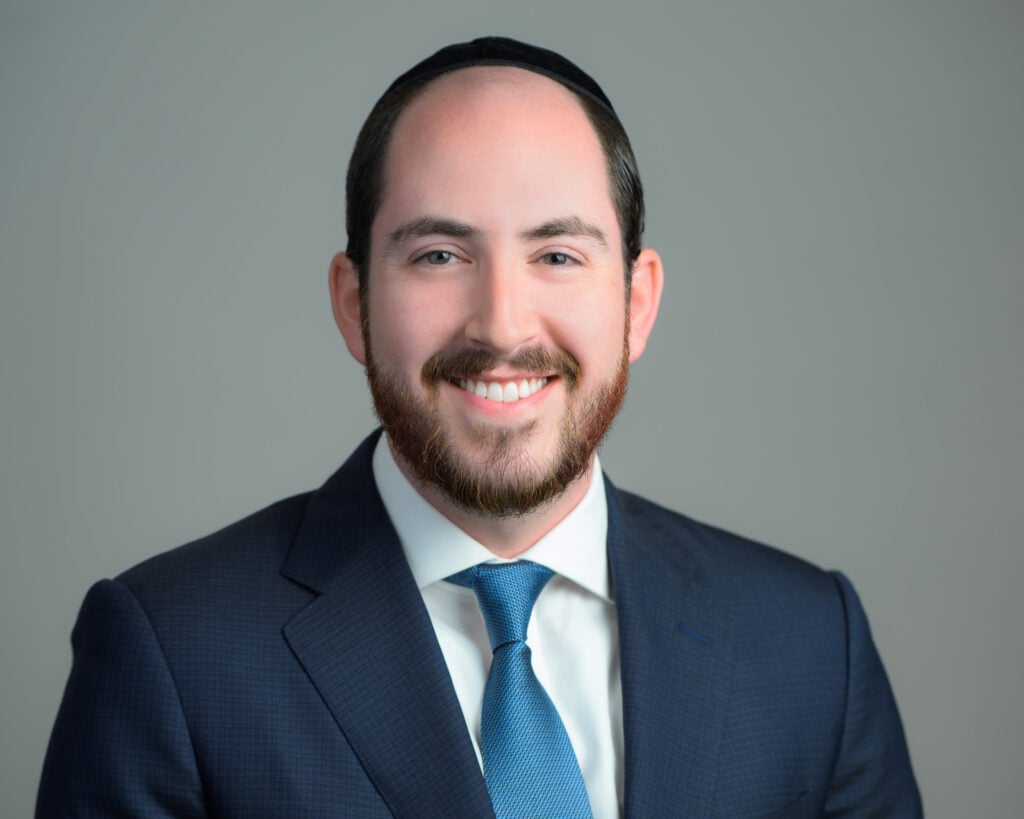
By: Keshet Starr, ESQ- CEO, Shalom Task Force
Anyone who has been active on social media or in a community WhatsApp group over the past few years has likely noticed a growing trend: grassroots advocacy efforts across the Jewish community are becoming more frequent, more public, and often more viral.
Sometimes these campaigns are carefully organized. Sometimes they begin with one person’s post, one family’s pain, or one community’s frustration. Sometimes they raise awareness in powerful ways. Sometimes they make people deeply uncomfortable.
And almost every time, the response is divided.
There are those who say, “Finally, someone is speaking up.”
And there are those who say, “We can all agree this is an issue, but this is not the right way to handle it.”
That second response is one we hear often. And sometimes, it may be fair. Not every public campaign is thoughtful. Not every tactic is effective. Not every viral moment leads to meaningful change.
But it raises an important question: If this is not the right way, then what is?
Because behind many of these public advocacy efforts is a painful reality: people often turn to louder, more public action when they feel quieter, more private systems have failed.
Most grassroots campaigns do not emerge out of nowhere. They are usually born from issues that have been simmering for a long time. Issues that were not treated as urgent. Issues that were considered too uncomfortable, too complicated, too sensitive, or too “not our problem.”
But when we do not address painful realities early, they do not disappear. They grow.
More people find themselves in abusive relationships without knowing where to turn. More families struggle with addiction in silence. More individuals carry mental health challenges without support. More women remain trapped when a get is refused. More young people navigate relationships, boundaries, technology, pressure, and fear without the language or tools to understand what they are experiencing.
And eventually, people who feel unheard begin looking for anyone who will listen.
That is often how grassroots advocacy begins. Not because people are looking to create communal discomfort, but because the discomfort was already there.
So, what would it look like to build a community where fewer people feel they need to go viral in order to be heard?
It starts much earlier.
It starts with education.
It starts with regular, honest conversations about the issues that are already affecting our families, schools, shuls, and neighborhoods.
At Shalom Task Force, we see this pattern clearly. When a widespread advocacy effort captures communal attention, interest in the underlying issue suddenly rises. People begin asking questions. They want to understand what abuse looks like. They want to know how to support a friend. They want to learn what healthy relationships require. They want guidance on how to respond when something feels wrong.
That interest is important. But it should not take a viral campaign for us to begin the conversation.
Imagine if these topics were already built into the fabric of our community life.
Imagine if our youth were taught, before crisis, how to recognize healthy, unhealthy, and abusive relationships.
Imagine if young adults had the language to discuss boundaries, respect, communication, and safety.
Imagine if everyone in our community all had basic tools for recognizing warning signs and responding supportively.
Imagine if people struggling with abuse, addiction, mental health challenges, family conflict, or isolation knew that their community had already made space for their pain before it became an emergency.
This does not mean every community member needs to become a professional. It does mean we all have a responsibility to become more informed.
We need to know how to respond when someone shares something painful.
We need to know when to involve trained professionals.
We need to know which resources exist before someone is sitting across from us in crisis.
Too often, we as a community operate in crisis-management mode. We wait until something becomes urgent, public, or impossible to ignore. Then we scramble to respond. But by then, real harm has already happened.
Prevention asks something different of us. It asks us to care before the crisis. To learn before the emergency. To create spaces where hard conversations are not seen as threats to the community, but as acts of protection for the community.
Ironically, prevention is quiet. Prevention can’t go viral. Successful prevention efforts mean that there is no story, because the bad thing hasn’t happened. Prevention can’t be liked, or shared—but it might just make the biggest difference of all.
As we just celebrated Shavuos, we find ourselves in a time of recommitment. We recommit ourselves to Torah, to mitzvos, and to our role as members of Klal Yisrael. But being part of a community is not only about what we receive. It is also about how we show up for one another.
What does it mean to be part of a community?
It means we do not wait until someone’s pain becomes public before we take it seriously.
It means we make sure we have the knowledge and skills to help our neighbors and loved ones in some of the darkest moments of their lives.
It means we understand that silence does not make a community safer. Preparedness does.
We have to build communities where people are heard earlier. Where issues are addressed sooner. Where support is easier to find. Where education is not reactive, but routine.
When we do that, the issues people are advocating for will no longer need viral campaigns to get our attention. They will already be part of how we operate as a community.
And that is the kind of community we should all be working to build.
Keshet Starr is an attorney, advocate, writer and speaker. Keshet currently serves as the CEO of Shalom Task Force, the nonprofit organization combating and preventing domestic abuse and fostering healthy relationships in Jewish communities. If you or your loved one has questions or concerns about relationships, or are currently in an unhealthy or abusive relationship, we are here for you. Please call, text, or WhatsApp the confidential Shalom Task Force Hotline at 888-883-2323 or chat with a live advocate at ShalomTaskForce.org.