Acknowledging The Good
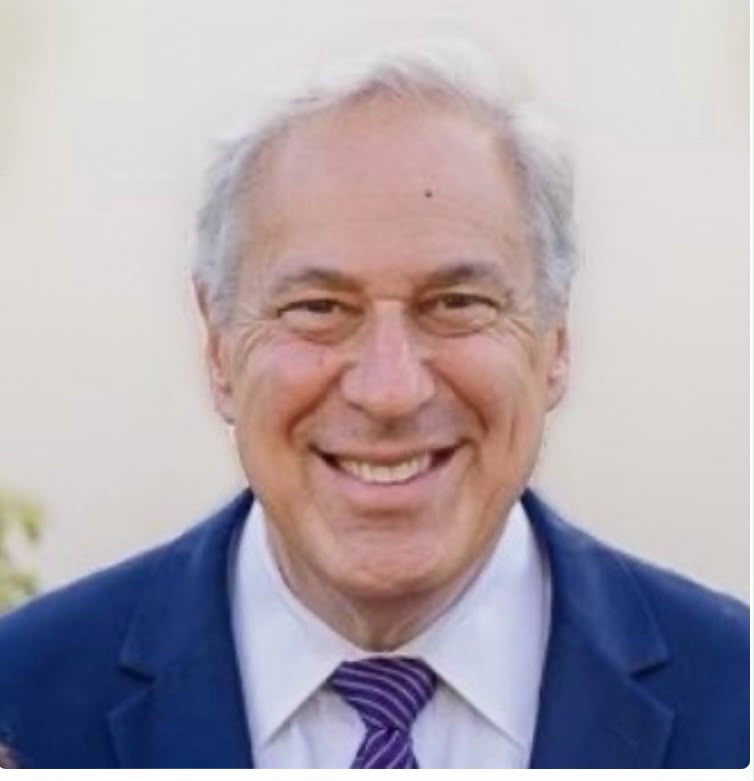
By: R’ Mordechai Young
Once a kollel yungerman’s friend got married and he wanted to host a sheva brachos. He put in a lot of thought and effort so everything was really nice, and when the event came, as is the custom, the chassan and kallah rolled in late. But in this case, they came really late. They also ended up leaving a bit early and forgot to say thank you to their host to acknowledge his hard work. Meanwhile, the kollel yungerman was happy for his friend, but at the same time, was a little let down by his behavior.
In this week’s parashah, Ki Teitzei, Perek 24 pesukim 10-13 discuss lending a person money and the borrower giving collateral. In the case where the borrower is poor and the collateral is something he needs, then he must return it to the borrower during that time and another object is substituted for the collateral.
For example, if the collateral is a pair of pajamas and that’s his only night clothes to sleep in, the lender would hold onto it during the day and return it to the borrower by night, but would take a shirt to hold onto until the morning. In pasuk 13, it states: “You must return the collateral to him by sunset, in order that he be able to lie down to sleep in his garment. He will bless you, and it will be counted for you as a merit before Hashem, your Hashem.” Rashi comments on the word “he will bless you” (Uveyrachecha) and if he (borrower) doesn’t bless you, he doesn’t appreciate your going out of the way to help him have use of his collateral; nevertheless, the pasuk ends that Hashem considers it an act of kindness and blesses you for it. It becomes a good deal that the borrower is not acknowledging it but our king is. The lender doesn’t get blessed by the borrower but he gets a blessing from Hashem—a great upgrade!
I was wondering, why does Hashem step in so much? Shouldn’t the borrower bless him himself? The Gemara Brachos 33b teaches that Rebbi Elazar taught that whoever doesn’t have deah (knowledge) it’s prohibited to be merciful to him. This seems to show that if the person you’re helping won’t acknowledge it, don’t help them. So, why does our pasuk above excuse the borrower for not blessing the lender? The Gemara in Brachos needs an explanation. It can’t be taken literally because Hashem always has mercy on people who don’t have “knowledge.” We are supposed to act like Hashem. In fact, Chazal teach: “Mah hu merachem af atah—Just as Hashem is merciful, so too you must be merciful.” I asked Rabbi Doniel Bak from Beit Midrash Hachaim Vehashalom about this Gemara. He told me look at the end of the second perek in Mesilas Yesharim(the trait of zehirus, i.e. being strict and careful to avoid a transgression). In the Jaffa edition of Mesillas Yesharim pages 49-51, it explains the concept that a person who appraises his ways will merit Hashem’s salvation. A person can’t win against the tricks of the yetzer hara without Hashem’s help. Yet we aren’t exempt from self-analysis and putting in the work to avoid sin. It is a balance, if a person monitors their actions, then Hashem will help them. If he doesn’t monitor himself, then Hashem will certainly not protect him so he shouldn’t fall into sin. If he doesn’t care about himself or his soul, then who should care about him? This is what the Gemara in Brachos (33b) is teaching, that anyone who does not possess discernment, it’s forbidden to have mercy on him. In note 17, page 51, it explains that this refers to one who makes no effort to acquire the power of discernment. The term deah (discernment) in this context refers to distinguishing between good and evil and using that awareness to guide one’s actions. So, the question above is answered. The Gemara Brachos doesn’t mean you shouldn’t be merciful to anyone lacking understanding, but one who doesn’t put in the effort to avoid sin, Hashem won’t save him from sinning. According to this, the language of the Gemara needs a bit more explanation. The Gemara states that it is prohibited to have mercy on him, implying that we can’t have mercy on him. The Mesilas Yesharim’s explanation is more focused on Hashem not having mercy on him. We could say that since Hashem doesn’t have mercy in this case, then when we see someone not guarding himself and falling into the trap of sin, you don’t excuse him by saying that it was beyond his control. No, he could have taken precautions. We saw in last week’s parashah that we have to put judges and police around to save us. Each person knows his weakness and knows when he can’t win. So, the battle happens earlier sometimes by avoiding the problem. If a person knows he always gets angry when he sits in a certain seat in shul because the people behind him talk a lot, perhaps he would be better off changing seats to a quieter location to avoid getting angry since the people won’t listen to him when he tries to shush them. They are “professional schmoozers,” engaging in this kind of behavior for years. Hopefully one day they’ll see the light and daven better. But you can’t change them, so they must change themselves. However, you can change where you sit. In the Gemara Brachos 6b Rabbi Chelbo said that Rav Huna said: “One who is aware that another person is accustomed to greet him is not only obligated to return his greeting, but he must greet him first, as it is stated: ‘Seek peace and pursue it’ (Tehillim 34:15). If the other person extended his greeting to him and he did not respond, he is called a robber. It’s like robbing a poor person: all he has is his greeting and the other didn’t reciprocate, taking away all that he had at that moment, which was a hello. We see here that the Torah requires a person to acknowledge the other and the good they do. It could be in the case we started with, that the person who borrowed is embarrassed so the lender goes out of his way to help him by giving him back his collateral, it could be highlighting how little he has and how embarrassed he felt that he didn’t get to focus on the good of the lender, so in this case Hashem steps in and blesses the person. As was stated previously, it’s a tremendous upgrade. Instead of being blessed by the borrower, Hashem blesses him. So, yes, it’s nice to feel appreciated, but when the One who is appreciating you is Hashem, that is a huge happiness. We should always remember to acknowledge the good deeds that others do for us, and if they don’t acknowledge us, try to remember that Hashem does.
Written as a refuah shleimah for Doniel Baruch ben Hadassah Orit.
Have a great Shabbos!
R’ Mordechai Young can be reached for comments at [email protected].