After The Matzah Settles: When Post-Pesach Pounds Meet Plastic Surgery
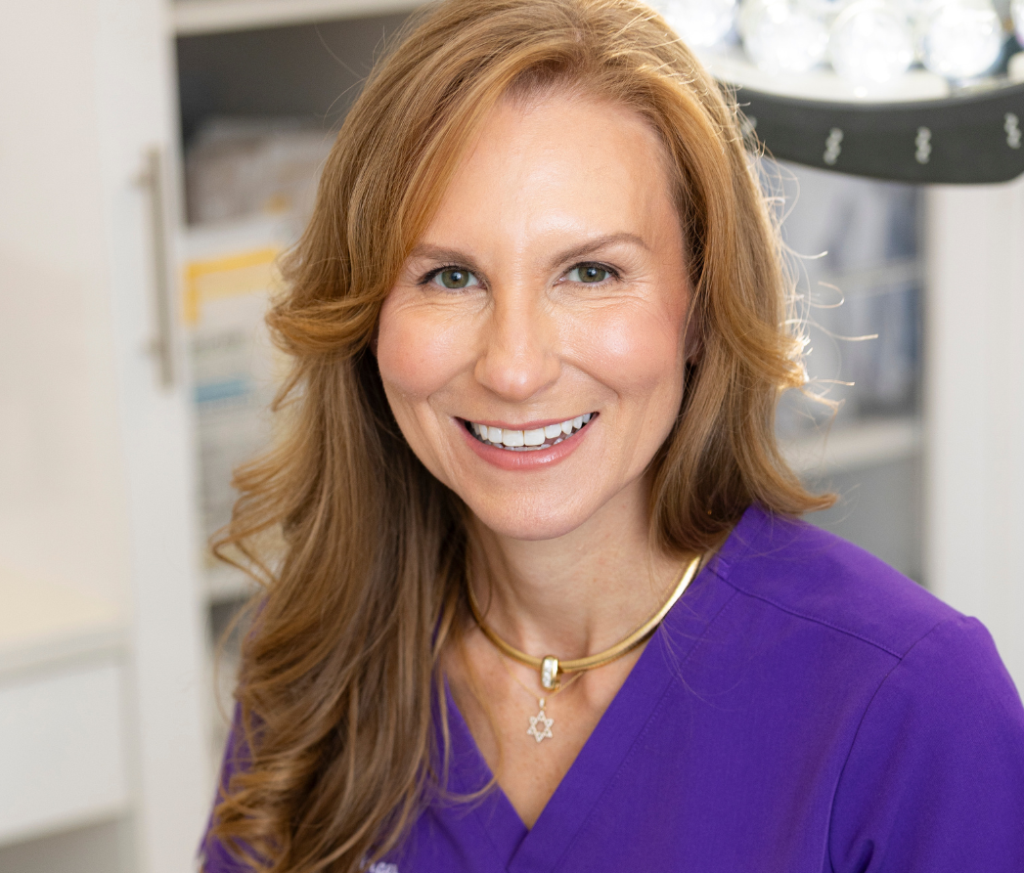
By B. Aviva Preminger, MD, MPH, FACS
Every year it happens the same way. Pesach arrives with the best of intentions, a clean kitchen, a fresh start, and the hope that somehow this will be the year we don’t live on potato kugel, matzah pizza, and chocolate-covered everything for eight days straight. But, oy how that tearoom has a way of doing everyone in! By the time the last crumbs of shemurah matzah are cleared off the table and the chametz is bought back, many of us feel exactly the opposite of renewed.
We feel heavier. We feel bloated. We look in the mirror wondering what happened.
In my office, the weeks after Pesach are always busy. Patients come in saying the same thing, “I don’t know what happened. It was only eight days!”
But, of course, it’s never only eight days. Pesach comes after weeks of cleaning, cooking, stress, disrupted routines, and very little time to exercise. This year, many people had to scramble and rearrange Israel plans at the last minute, creating even more stress than usual, unfortunately. Worse, the holiday itself revolves around food: large meals, late nights, salty foods, and very little of the normal structure we rely on the rest of the year. Many people travel for the holiday and have to abandon their regular exercise routines, especially over three-day yom tov. By the time it’s over, people don’t just feel like they gained a few pounds. They feel like their bodies have changed.
{When Diet and Exercise Aren’t Enough: The Difference Between Weight Gain and Body Change
One of the most important things I explain to patients is that not every post-holiday change is permanent, but not every change will go away on its own either.
A few pounds gained during Pesach often come off easily with a return to normal eating and exercise. But what people notice in the mirror is not always about weight. It may be loose skin, stubborn fat that doesn’t respond to diet, or changes in the abdomen that have been there for years but suddenly feel more obvious. Diet cannot remove loose skin. Exercise cannot fix stretched abdominal muscles. And we all know that there are certain areas of fat that are genetically resistant. This is especially true after pregnancy, after significant weight loss, or simply with aging. The holiday doesn’t create the problem, sometimes it simply exacerbates or just makes people aware of it.
{Why Spring Is a Popular Time for Body Procedures
It is particularly frustrating that Pesach marks the start of spring. Days get longer. Clothes get lighter. Bathing suits are closer than we want to admit.
Interestingly, the period right after Pesach is one of the times of year when many patients start thinking seriously about doing something. Between Pesach and Shavuot, we are used to counting anyway, so the countdown to summer also begins.
Procedures like liposuction, tummy tuck, or body contouring are not about quick fixes before the beach. They require planning, recovery time, and realistic expectations. But this time of year often motivates people to finally address concerns they have had for a long time.
{A Time for Renewal—In More Ways Than One
Pesach is called Zman Cheiruteinu, the time of our freedom. Renewal is always possible, both spiritually and physically.
Pesach may leave us feeling heavier than we planned.
But it can also be the moment that pushes us to start fresh. n
At Preminger Plastic Surgery, we are committed to educating our patients and providing personalized care tailored to their unique needs. For those considering plastic surgery, we offer guidance every step of the way to help you achieve your aesthetic and wellness goals. Dr. Preminger is a board-certified plastic surgeon with degrees from Harvard, Cornell, and Columbia.
For more information or to schedule a consultation, please visit PremingerMD.com or call 212-706-1900. Follow us on Instagram @premingerplasticsurgery