
Behind The Mask: Purim, Identity, And The Deeper Meaning Of Aesthetic Change
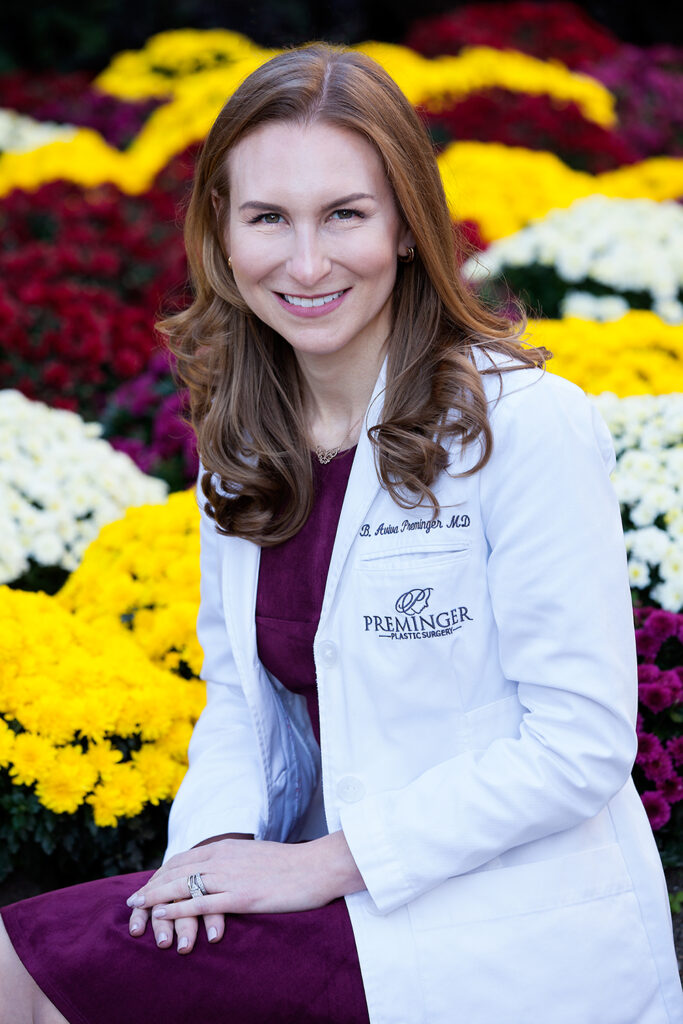
By B. Aviva Preminger, MD, MPH, FACS
By the time this article reaches you, costumes will be hanging in closets, mishloach manot lists will be drafted, and children will be debating whether they are superheroes, kings, queens, or something entirely unrecognizable this year.
Purim is, on its surface, a holiday of masks, but beneath the mask lies something much deeper.
The Megillah is the only book in the Torah in which Hashem’s name does not appear. And yet, His presence is everywhere—hidden in coincidences, reversals, and subtle shifts. The entire story unfolds not through overt miracles, but through what we might call concealed design. Plastic surgeons, like all physicians, are actually just shlichim, or messengers. The hand of G-d is always present in what we do, even if it is not readily apparent to the patient.
Purim teaches us that what is hidden is not absent. It is simply waiting to be revealed. And in many ways, that is also what aesthetic plastic surgery is about.
On Purim we wear masks. There is a common misconception that plastic surgery is about “putting on a mask”—becoming someone else, erasing identity, or chasing superficial change. In my experience, the opposite is true. The best aesthetic surgery does not create a new face. It reveals the face that was once there.
It restores harmony after pregnancy.
It erases lines that came with time and gravity.
It corrects a feature that has quietly bothered someone for decades.
Plastic surgery is not about hiding. It is about restoration.
Queen Esther herself concealed her identity at first. But concealment was not the end of her story. It was part of a process that ultimately allowed her to step into her most authentic role—courageous, visible, and transformative. In that sense, Purim reminds us that sometimes concealment precedes revelation.
There is an important distinction between transformation that reflects insecurity and transformation that reflects self-awareness. A costume is temporary. A mask is external. But refinement, when done thoughtfully, can be internal.
A woman who chooses eyelid surgery because she feels her heavy upper lids or puffy lower lids make her look constantly tired is not pretending to be someone else. She is actually trying to look like she feels. A mother who chooses body contouring after multiple pregnancies is not denying the blessing of her children. She is reclaiming comfort and balance in her own skin. A patient who chooses subtle facial rejuvenation is not rejecting aging. She or he is choosing to age in a way that feels harmonious to her or that reflects the age she or he feels on the inside.
Purim celebrates joy, but it also celebrates clarity—the moment when confusion flips, when hidden intentions are exposed, when fear becomes strength. In surgery, clarity is everything. The right procedure at the right time for the right reason.
The story of Purim unfolds through a series of “coincidences”—a sleepless king, a forgotten act of loyalty, a perfectly timed entrance. In medicine, we do not rely on miracles. We rely on training, experience, precision, and safety.
There is something quietly miraculous about watching someone stand up straighter after a procedure, about seeing a patient return to the office glowing—not because they look different, but because they feel more like themselves.
The most beautiful outcomes are the ones no one can quite pinpoint.
“They look great,” people say.
“They look rested.”
“They look happy.”
That is hidden design.
So much about the Purim story is about physical appearances. Vashti is evil and ugly. Esther, the heroine of the story, wins a beauty pageant. The evil Haman is immortalized through big pointy ears.
We live in a time of extreme editing—filtered photos, exaggerated features, trends that shift every six months. As a surgeon, my responsibility is not to follow trends. It is to protect authenticity. To guide patients away from “masking” and toward refinement. To say no when something will distort rather than harmonize. There is a difference between enhancement and disguise. Wisdom lies in knowing that line.
At the end of the Megillah, there is light and joy and honor. What was hidden becomes illuminated. Perhaps that is the deeper parallel. True aesthetic work, when done properly, is not about hiding from the world. It is about feeling comfortable enough to be seen, not as a costume or character but as your confident self.
Wishing you a happy Purim filled with joy, clarity, and the courage to show up as your truest self! Chag sameach!
At Preminger Plastic Surgery, we are committed to educating our patients and providing personalized care tailored to their unique needs. For those considering plastic surgery, we offer guidance every step of the way to help you achieve your aesthetic and wellness goals. Dr. Aviva Preminger is a board-certified plastic surgeon with degrees from Harvard, Cornell, and Columbia. For more information or to schedule a consultation, please visit PremingerMD.com or call 212-706-1900.