Big Change For Foreign Buyers: You May Now Be Able To Borrow 75%
By: Ben Levene
For years, one of the biggest challenges for foreign residents looking to buy property in Israel has been the amount of cash you need to bring to the table.
Now, that could be changing.
We’re seeing a new option for foreign residents who are planning to make aliyah that could allow them to borrow up to 75% of the value of the property. For many buyers, that is a very big change.
Until now, foreign residents were often looking to put down 50% of the purchase price. In some cases, it was possible to borrow more, but the financing could come with a much higher interest rate.
Now if you qualify, you may be able to borrow up to 75% at much more normal mortgage rates, currently around 4.3%–4.5%, depending on the mortgage and the borrower. Every situation is unique, so it’s very important to pre-qualify to know how much you can borrow.
{How Does It Work?
The idea is relatively straightforward, although one would need to confirm it with a mortgage broker, as we’re outlining the general principle in this article rather than getting into all the technical details.
If you are a foreign resident intending to make aliyah within a year of receiving the keys to your apartment, there may be a way to qualify for up to 75% financing rather than the usual 50%, by signing a declaration of intent to make aliyah.
This does not mean you are legally committing yourself to making aliyah, but it may allow you to qualify for a higher level of financing. Of course, the bank will still assess your individual circumstances and the mortgage will remain subject to its own approval criteria.
Why does 75% financing make such a difference?
Let’s take a NIS 4 million apartment as an example.
With 50% financing, you would need around NIS 2 million in cash toward the purchase.
With 75% financing, you could potentially buy the same apartment with NIS 1 million toward the purchase price.
That is a huge difference.
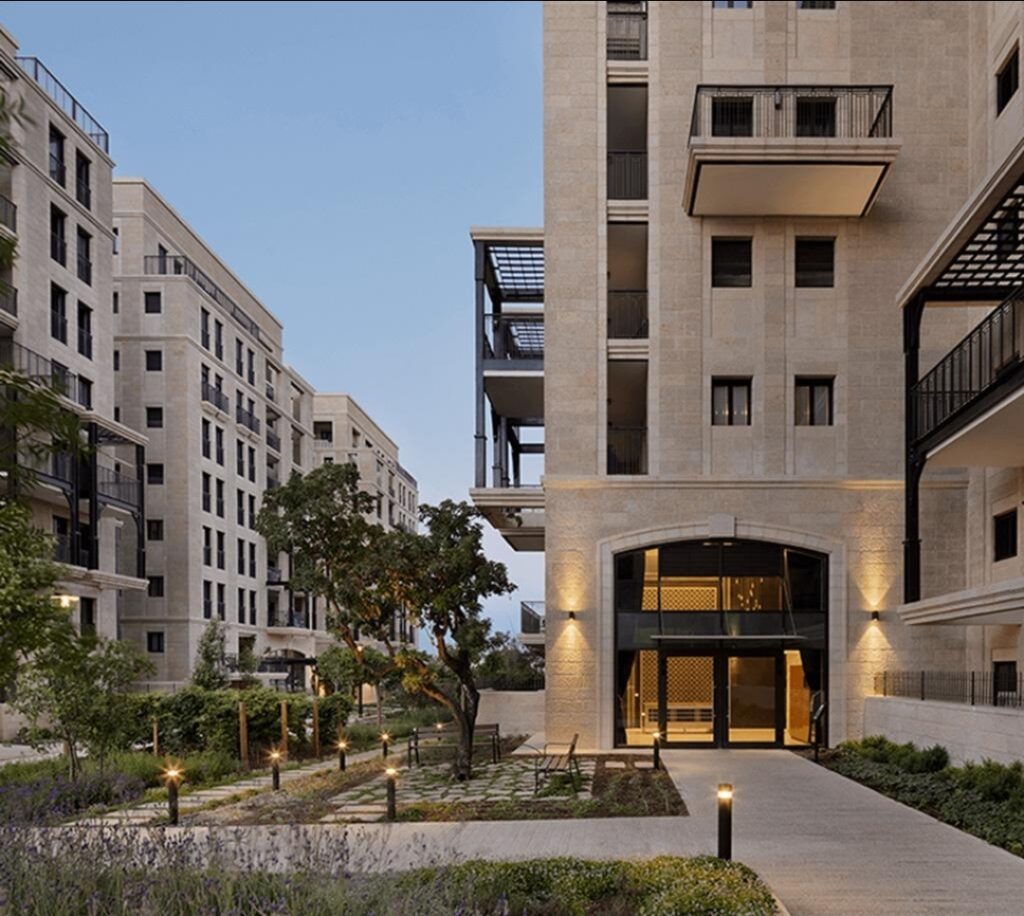
And it could be particularly interesting for families who know they want to buy in Jerusalem but are not ready to sell their home abroad.
This is where we think the opportunity becomes particularly interesting. You may be planning to sell your home in the U.S., Canada, or elsewhere in the next few years, but you don’t know exactly when. You also don’t want to wait until the sale happens before starting to look for a home in Jerusalem. If you can finance 75% of the purchase, you may be able to enter the market now with only 25% of the purchase price in cash, rather than waiting until you have 50% available.
And there is another important consideration:
You don’t know what Jerusalem property prices will look like in the future. If you already know you want to buy, waiting could mean buying the same type of apartment later at a higher price. This gives buyers who are planning to make aliyah the possibility of getting into the market today, while keeping more of their capital available until they are ready to make the move.
It’s not for everyone, but it is worth knowing about.
Taking on a larger mortgage obviously needs to make sense for your own financial situation. You need to look at the monthly payments, your income, your existing commitments, and your plans for the next few years. But for the right buyer, the difference between needing 50% cash and potentially needing only 25% can completely change what is possible.
For foreign residents who are considering making aliyah but aren’t ready to sell their home or make the move just yet, this is a financing option that is definitely worth understanding before assuming you need 50% cash to buy in Jerusalem.
If you’ve been waiting to buy because you didn’t have enough cash available for the down payment, it may be time to revisit the numbers.
Disclaimer: This article is not data-based but rather based on Ben Levene’s personal market experience and opinions. No decisions should be made without thorough due diligence and professional financial advice. n
Ben Levene is CEO of CapitIL Real Estate and brings over 15 years of expertise in the Jerusalem real estate market. For inquiries, reach out to him at [email protected].