
Dearly Departed
By: Rabbi Dr. Dovid Fox
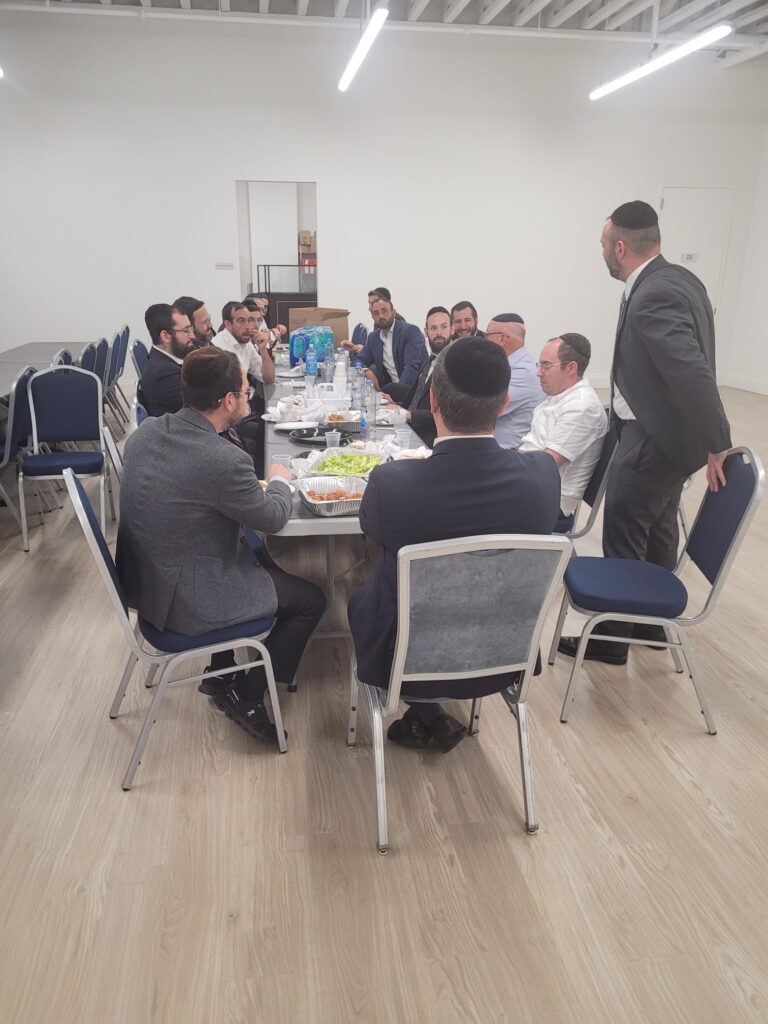
Recently I was called by someone with a halachic question. If a widow or a widower remarries, do they stop observing the yahrzeit practices for their deceased spouse? I responded to the person asking the question with the protocol described by most of the poskim (halachic authorities), in that the question is not raised in the Talmud directly, nor is it covered in Shulchan Aruch. But having this halachic “data” handy, I decided to make this the topic of my Shabbos morning halacha shiur.
In earlier articles, I have extolled the wonderful quality of my minyan. I lead a group of dedicated men of all ages who share one quality: we all like each other. We daven in unison, maintain synagogue decorum, listen to our expert ba’al koreh leining the parashah, and then participate in the kiddush followed by an interactive shiur. I have a nine-part cycle that I try to follow: four shiurim are given adhering to the four sections of Shulchan Aruch, focusing on a topic from each of those four sections. Thus, one week a question pertaining to Orach Chaim is presented, examining something about daily ritual laws, then one from Yoreh De’ah, looking into something pertaining to permitted and forbidden acts, then on to Even HaEzer, where laws about relationships are addressed, then Choshen Mishpat, where grievances and damages are discussed. Then we repeat the cycle, followed by the ninth topic, which is something more spiritual or metaphysical. Then we begin again.
This week, the question concerning the widow(er) straddled the Yoreh De’ah topics in that the laws of mourning are in that section of Shulchan Aruch, yet the question also gets into that more abstract fifth dimension, which is harder to objectify. I will share some of our analysis here. A person has lost a spouse, buried them, and the months and years pass. They visit the grave and light a candle on the yahrzeit. They recall the spouse’s name during Yizkor. They say kaddish or hire someone to say it. Then the surviving spouse remarries. In their new marriage, they focus on developing a devoted relationship with their new spouse. He is now the only man in her life, and she is the only woman for him. What about the yahrzeit?
When dealing with a minhag (Jewish custom), there are often different views and approaches. Interestingly, each view was enunciated by a different person in my minyan. One view was that out of sensitivity to the new spouse, all mourning rituals should cease. Another held that those practices that are a matter of public display (and might be viewed by the new spouse) should be discontinued lest the new spouse feel slighted with reminders that there was once another person in their spouse’s heart.
However, practices which are done without public awareness, such as reciting Yizkor, and quietly recalling the name of the deceased, are maintained. A third person held that once the spouse remarries, their sense of kinship to their former spouse vanishes and no mourning should take place, regardless of whether the new spouse knows or cares. A final view was that basic human psychology and decorum dictate that feelings endure forever, and although a person might remarry, their feelings toward their former spouse may linger and should be honored, whether through lighting a candle, saying kaddish, or visiting the grave. This view holds that the new spouse will accept and respect this reality of their spouse’s emotional life.
Each of these views was cited by our poskim and each one of the opinions was embraced by one or more of the men in my shiur. Some argued that regardless of lingering feelings for a deceased spouse, those feelings should be suppressed out of sensitivity to the new spouse. In turn, others argued that a new spouse should accept that a prior marriage included feelings and attachments that developed over time, and that is a reality that remarriage can never change. Although we studied this topic as we would any other halachic matter, we acknowledged that those who face this question have more than an intellectual quandary to deal with. It is a dilemma that no one wants to face, and may we never know of such a predicament. But for those who are grappling with such a situation, all the experts agree that time, open communication, patience, and acknowledging each other’s feelings help the couple forge a new path forward.
Rabbi Dr. Dovid Fox is a forensic and clinical psychologist, and director of Chai Lifeline Crisis Services. To contact Chai Lifeline’s 24-hour crisis helpline, call 855-3-CRISIS or email [email protected]. Learn more at ChaiLifeline.org/crisis.