
Feeling Different In Your Skin? What To Do When Your Body Starts Sending You New Signals
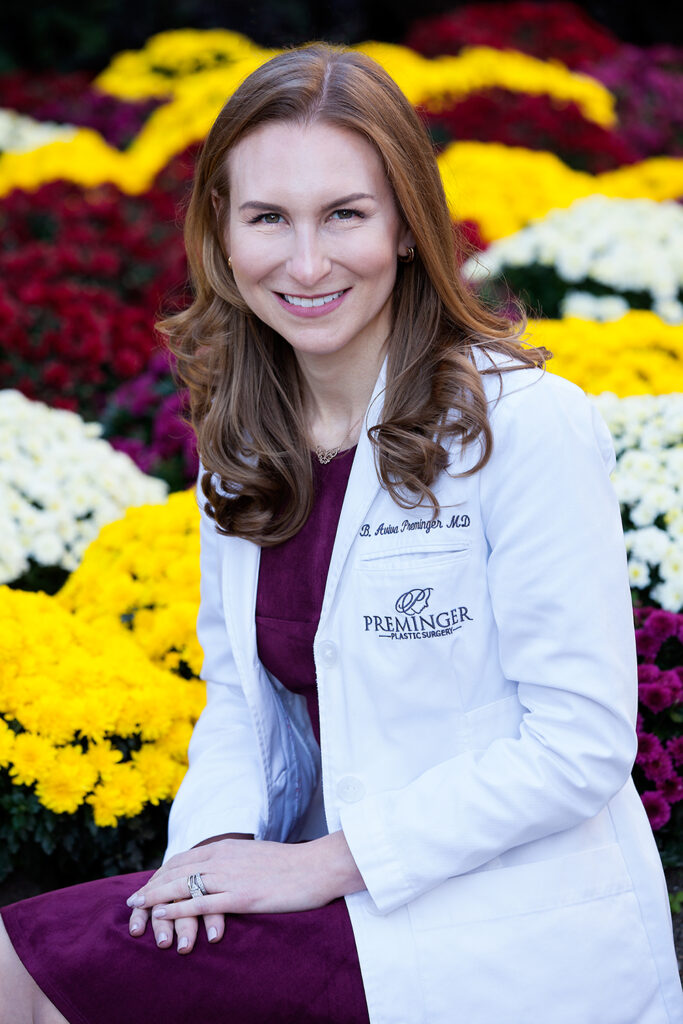
By B. Aviva Preminger, MD, MPH, FACS
Have you noticed that you feel more fatigued than you used to, even when you’re getting the same amount of sleep? Or are you struggling to get enough sleep altogether? Does weight seem harder to take off—or easier to gain—despite no major changes in diet or exercise? Does your skin feel drier, look duller, or seem to be sagging in ways it never did before? If so, you’re not alone.
Beyond the usual juggling act that so many women manage every day—careers, households, children, aging parents, and community responsibilities—many women in their 40s and early 50s begin to notice physical changes that feel both frustrating and unexpected. This phase, known as perimenopause, can begin years before menopause and is driven by fluctuating hormone levels, particularly estrogen. These shifts affect far more than menstrual cycles; they influence energy levels, metabolism, skin quality, facial structure, and how women experience their own bodies.
One of the most common concerns during perimenopause is fatigue. Hormonal fluctuations can disrupt sleep quality, affect mood, and leave women feeling persistently tired even when life hasn’t significantly changed. At the same time, many women notice that weight gain feels almost inevitable, and weight loss feels far more difficult than it once did. Changes in metabolism, insulin sensitivity, muscle mass, and fat distribution often lead to stubborn weight in areas like the abdomen, flanks, back, and thighs—areas that may have never been a problem before.
Skin changes are also a hallmark of this transition. Estrogen plays a critical role in collagen production, skin thickness, elasticity, and hydration. As levels fluctuate and gradually decline, collagen loss accelerates. The skin may become thinner, drier, and less resilient. Women frequently notice increased dryness, fine lines, sagging, and a loss of definition in the face and neck. Pigmentation changes—such as dark spots or uneven tone—can also become more pronounced, making the skin appear older or more tired despite good skincare habits.
Facial structure itself can shift during perimenopause. Bone density subtly changes, and facial fat pads may redistribute. Areas that once looked full and youthful may appear hollow, while others feel heavier or less defined. These cumulative changes can alter facial balance over time, sometimes making women feel that the reflection in the mirror no longer matches how they feel on the inside.
Thoughtful aesthetic interventions—both non-surgical and surgical—can play a supportive role during this stage of life. Treatments that focus on improving skin quality, restoring balance, addressing laxity, and refining contour can help counteract changes driven by hormonal shifts. Similarly, carefully selected body procedures can address areas affected by hormonal weight redistribution. These interventions are not substitutes for healthy habits, but they can be effective tools when biology is working against even the most disciplined efforts. The key is getting ahead of it all.
Importantly, seeking aesthetic care during perimenopause is not about vanity or denying the natural aging process. It is about recognizing that this is a real biologic transition—and that support is reasonable. Just as women seek medical guidance for other life changes, aesthetic treatments can help women feel more comfortable, confident, and aligned with how they see themselves.
With a thoughtful, conservative, and individualized approach, aesthetic care can help women navigate perimenopause feeling supported rather than discouraged. The goal is not to look younger, but to look rested, healthy, and like yourself again, capable of continuing to manage life’s many responsibilities with confidence and ease.
At Preminger Plastic Surgery, we are committed to educating our patients and providing personalized care tailored to their unique needs. For those considering plastic surgery, we offer guidance every step of the way to help you achieve your aesthetic and wellness goals.
Dr. Aviva Preminger is a board-certified plastic surgeon with degrees from Harvard, Cornell, and Columbia. For more information or to schedule a consultation, please visit PremingerMD.com or call 212-706-1900.