
First, Do No Harm: Medicine, Morality, And Plastic Surgery
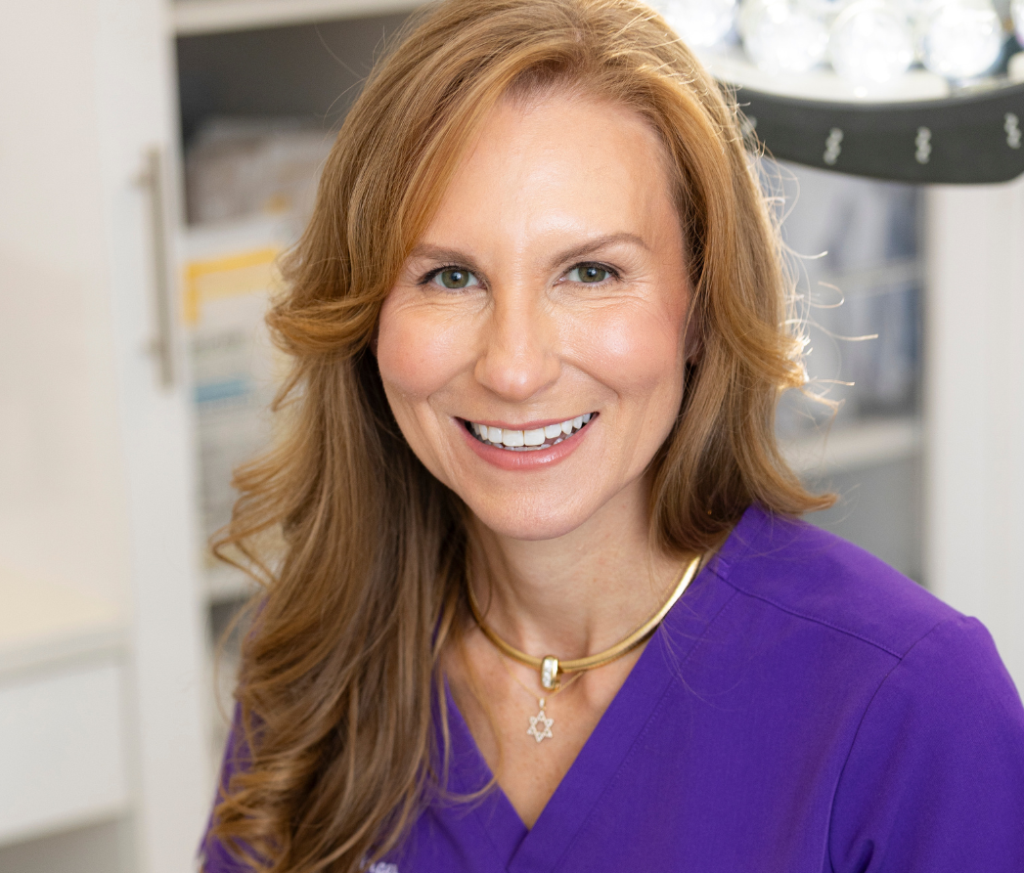
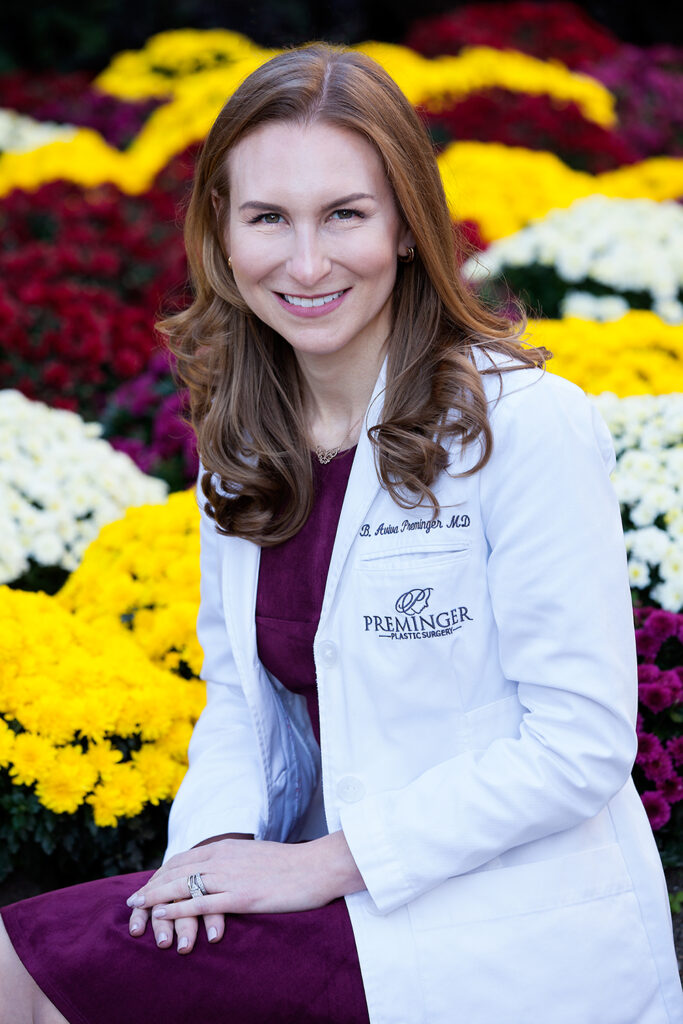
By B. Aviva Preminger, MD, MPH, FACS
One of the first principles taught to every physician is deceptively simple: primum non nocere—first, do no harm. It is a phrase so familiar that it risks becoming background noise, yet history reminds us, painfully, that medicine divorced from morality can become something unrecognizable.
The world has seen moments when doctors—people entrusted with healing—have instead participated in cruelty. Nazi physicians used the language of science to justify experiments that were neither consensual nor humane. They betrayed not only their patients, but the very definition of medicine. More recently, reports of Hamas terrorists injecting air into the veins of civilians in Gaza underscore the horror of medical knowledge weaponized for violence. These are not medical acts gone wrong; they are the deliberate inversion of medicine’s purpose.
It is critical to state this clearly: elective cosmetic surgery, even when overdone or poorly judged, is not morally comparable to atrocities. Intent matters. Context matters. Outcomes matter. But ethical reflection does not require equivalence but rather a universal awareness of the oaths we take as physicians.
Plastic surgery occupies a unique ethical space. We operate not to save lives in the acute sense, but to improve quality of life—restoring, refining, and sometimes rejuvenating. That privilege demands heightened responsibility. Unlike emergency medicine, most of what we do is elective, so we have time to pause, to reflect, to ask not only can we do something, but should we.
In aesthetic medicine, harm is rarely dramatic. It is subtle: erosion of identity, distorted self-image, dependency on procedures, or the slow creep away from the norm. When surgeons fail to say no—to the wrong patient, the wrong procedure, or the wrong motivation—we may not be committing violence, but we are abandoning stewardship. The Hippocratic oath is not only about scalpels and syringes; it is about judgment.
Judaism offers a parallel framework. The Torah forbids causing unnecessary harm (chavalah) and commands us to guard life and dignity. In fact, the principle of preserving human life takes precedence over virtually all other mitzvot. The body is not property to be exploited, but a trust. Healing is a sacred act precisely because it carries power—and power without restraint is dangerous.
The lesson of history is not that modern doctors are at risk of becoming monsters. It is that medicine without ethics becomes a tool, and tools can be used for anything. Our obligation, especially in a field as discretionary as plastic surgery, is to ensure that every intervention is grounded in compassion, proportionality, and respect for the person behind the procedure.
Sometimes the most ethical surgery is the one we do not perform.
In a world where medical knowledge has been used both to heal and to harm, our responsibility is not only technical excellence, but moral clarity. Primum non nocere is not a slogan—it is a line in the sand. And once crossed, medicine ceases to be medicine at all.
For the modern plastic surgeon, this principle must translate into daily practice: listening carefully, setting limits, declining procedures that serve insecurity rather than well-being, and remembering that restraint is not failure but integrity. In a field built on choice, ethics are not always defined by what we are capable of doing, but sometimes by what we choose not to do.
At Preminger Plastic Surgery, we are committed to educating our patients and providing personalized care tailored to their unique needs. For those considering plastic surgery, we offer guidance every step of the way to help you achieve your aesthetic and wellness goals. n
Dr. Aviva Preminger is a board-certified plastic surgeon with degrees from Harvard, Cornell, and Columbia. For more information or to schedule a consultation, please visit PremingerMD.com or call 212-706-1900.