
I Was Supposed To Have A Baby
By: Aimee Baron MD, FAAP
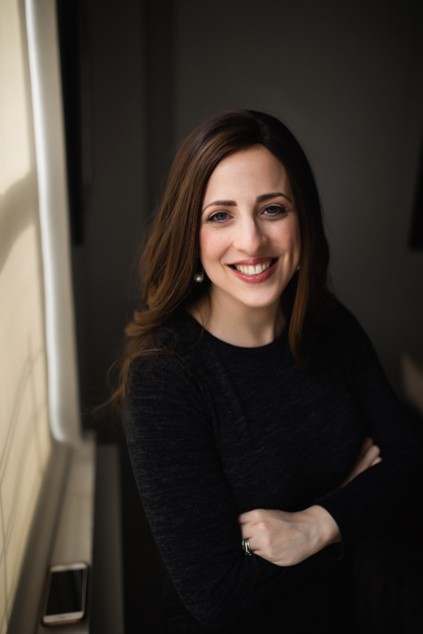
Aimee Baron MD, FAAP
During the years when my life seemed to be measured in pregnancies and losses, I stopped noticing the little things that used to bring me joy. I wasn’t thinking about my favorite dessert or what I wanted for dinner. Most days, I ate because someone reminded me to.
Life became an exhausting cycle of hope and fear. Every positive pregnancy test carried the impossible question: Could this finally be the one? At the same time, I was constantly bracing myself for the phone call, the ultrasound, the moment everything might unravel again. I don’t remember much about those years except feeling tired. Bone tired. The kind of tired that comes from carrying grief everywhere you go.
What I do remember are the people.
I remember a friend who kept checking in long after everyone else assumed I was “better.” Another who never tried to fix it, only sat beside me while I cried. Friends who dropped off dinner without expecting me to answer the door. Someone who took my children for an afternoon so I could simply exist for a few quiet hours.
Healing didn’t arrive all at once. It came in tiny, almost laughably ordinary moments.
The first morning I realized I actually wanted to take a shower.
The afternoon I wandered through Target because, for the first time in weeks, I wanted to be somewhere other than my couch.
The friend who invited me for Shabbat dinner and quietly made sure it would feel emotionally safe before she ever extended the invitation. She had thought about who would be there, what conversations might come up, and what I needed without making me ask. I didn’t have to perform being okay. I could simply show up exactly as I was.
Going back to shul took even longer.
I loved my community. They loved me. And somehow that made it harder. Everyone knew what had happened. Everyone wanted to help. But I wasn’t ready for sympathetic looks or well-meaning comments. I didn’t want to become the person everyone associated with miscarriage.
The first time I finally went back, a friend slid into the seat next to me, squeezed my hand, and held it. And then again, multiple times until davening was over.
She didn’t ask questions.
She didn’t offer advice.
She didn’t ask how I was doing.
She simply made sure I didn’t sit there alone.
Looking back, that’s what belonging felt like.
Not fixing my grief.
Not taking away my losses.
Just quietly reminding me that there was still a place for me, even while my life looked nothing like I thought it would.
That’s the kind of community I wanted to build.
Because belonging isn’t found in grand gestures. It’s built in thousands of ordinary moments when someone chooses to notice the person standing quietly on the edge of the room. It’s created when we stop waiting for people to ask for help and start paying attention to the ones who don’t know how.
Those moments may seem small.
But sometimes they’re the very thing that helps someone believe they still belong. n
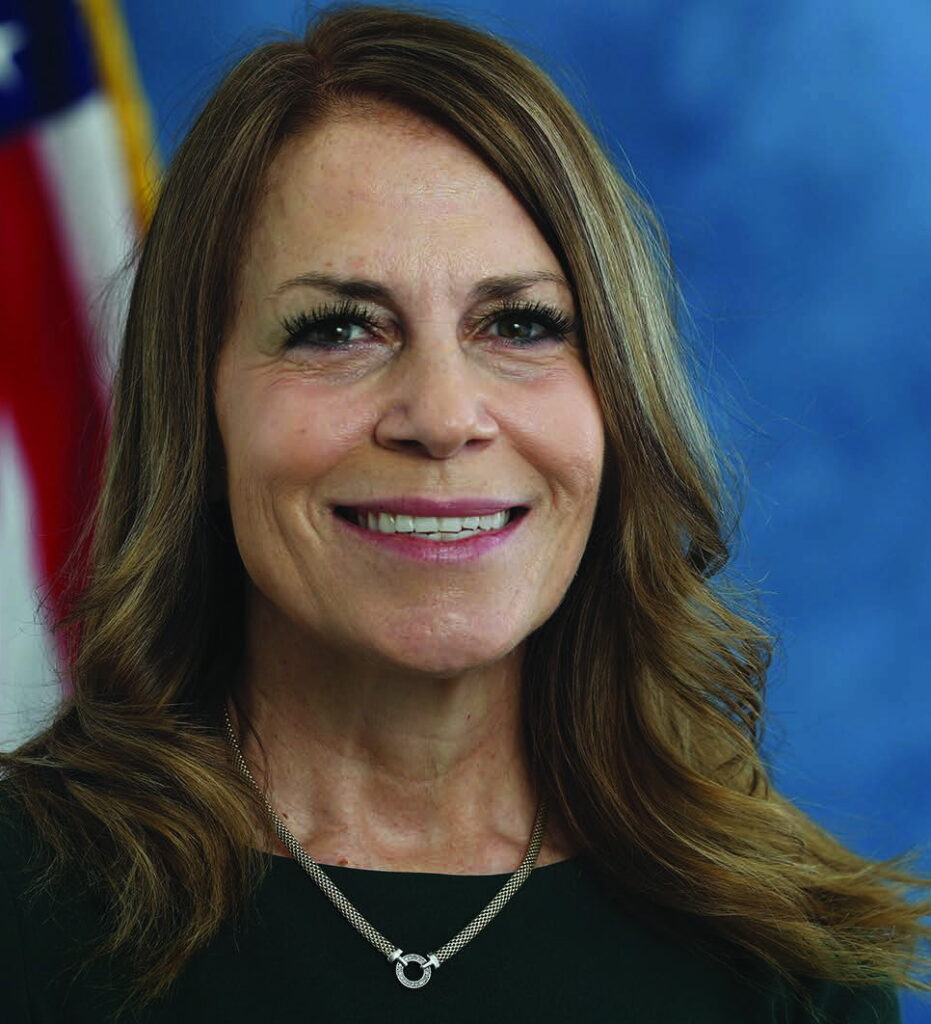
Aimee Baron MD, FAAP, is the founder and executive director of I Was Supposed to Have a Baby (IWSTHAB). Its mission is to transform how the Jewish community cares for people struggling with fertility and loss by providing mental health support, educational resources, and a warm, nurturing space through digital platforms, communal convenings, and connections to wider support networks. We comfort people on all fertility journeys, including infertility, miscarriage, stillbirth, infant loss, termination for medical reasons, donor conception, adoption, surrogacy, etc., and envision a supportive, compassionate, and responsive Jewish community where people on a fertility journey feel validated and held.
Long years of secondary infertility and multiple miscarriages left Dr. Baron with the acute awareness that the Jewish community was not adequately supporting those trying to build a family. People in crisis need to be comforted and validated, and the rest of the community needs to know how to help. She is passionate about being a voice for those who are unable or ready to share their story but want the world to know of their suffering so that no one should go through it alone again.Dr. Baron was formerly the Director of Innovation and Growth at NechamaComfort. She has also worked as an Attending Pediatrician in the Newborn Nursery and Neonatal Intensive Care Unit at St. Luke’s-Roosevelt Hospital before taking a leave of absence after her third miscarriage. She lives in the New York area with her husband and children