
Tzedek v’Emet, Chesed v’Rachamim
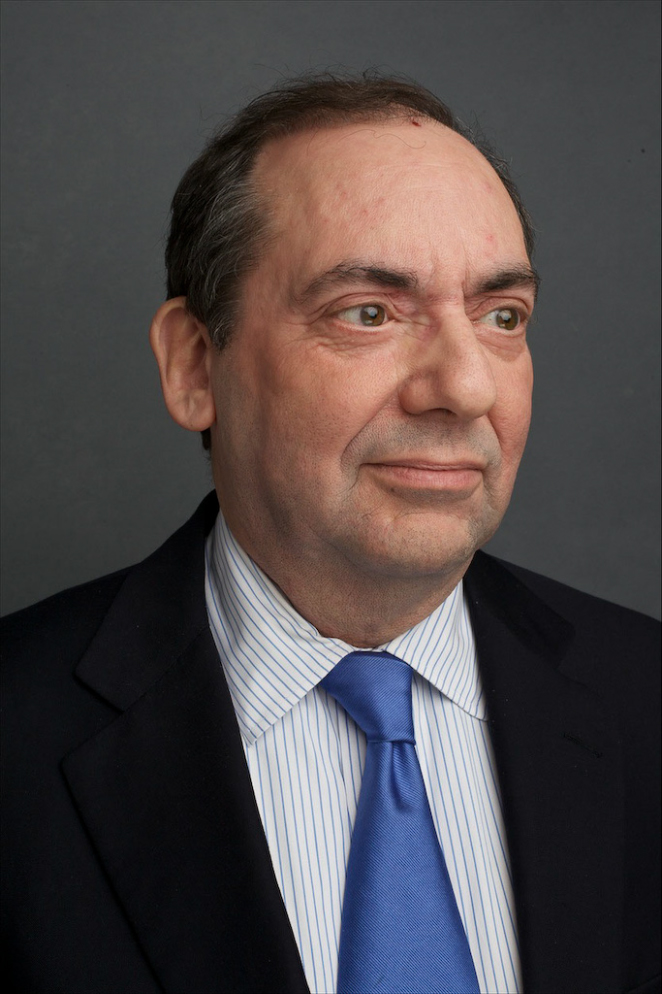
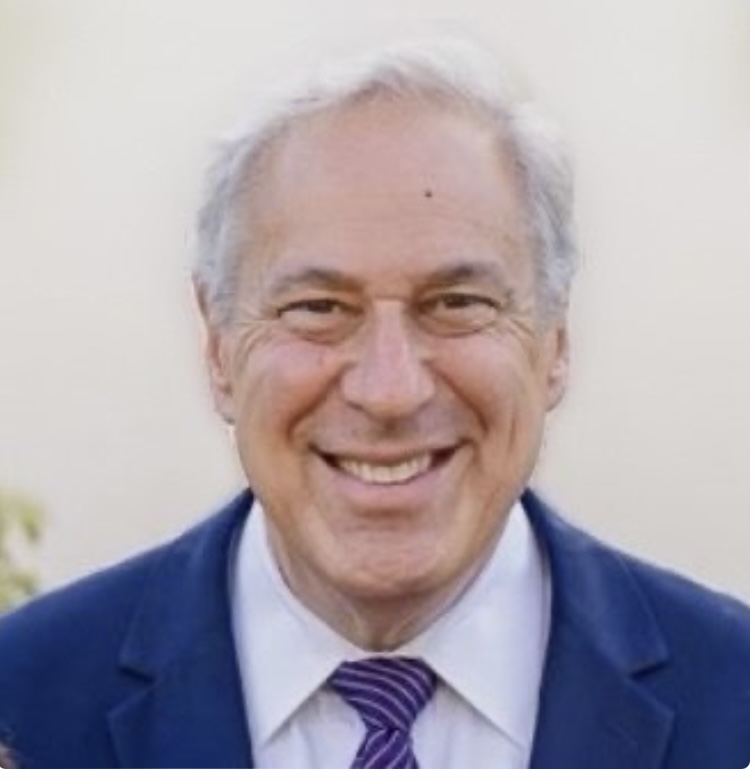
By: Alan A. Mazurek, MD
As is frequently the case, I planned on writing about something else, but events in Israel quickly changed those plans. This week is Parashat Shoftim, with the emphasis on tzedek—justice. “Tzedek, tzedek tirdof…” “Justice, justice you shall pursue.” By definition, justice must be subsumed with truth—emet. If it is not true, it is in fact a perversion of justice, as we have seen, to our dismay, by all the “social justice warriors” marching in support of Hamas and Iran, accusing Israel and Jews of genocide and the most vile crimes, all lies, while calling it “justice.” On the other hand, if justice has only truth and no kindness and mercy, then it is too harsh. It is stern, sterile, and unfeeling, and while that may be truth and justice, it is not “right.” The difficulty is in finding the proper balance.
I was thinking about this when I read this past Sunday about the loss of three Jewish children, three holy neshamot, in Israel on a single day. A young man, 16 years old, who while on a rappelling trip in the Keshet Cave up north, fell over 100 feet and died. Earlier that day, a 12-year-old fell from a boat riding along the Jordan River, also up in northern Israel near Yesod Ha’Maala. An extensive search later discovered his lifeless body. Finally, a 5-year-old child in Lod was tragically, inadvertently left in the hot family car and rescuers were unable to resuscitate him. All in one day in Israel.
The pain at these losses is unimaginable for us, strangers; how much more, sadly, for the families of these precious children.
Is this justice? Is this truth? To us it appears so random, so meaningless! We want to rail at Hashem—why??
These tragedies were compounded by the fact that that same day was also the 25th anniversary of the Jerusalem Sbarro pizzeria bombing, where 16 Jewish souls were horribly snuffed out, many more injured, including many children, by an evil Arab terrorist suicide bomber. Where is the justice, oh G-d!
Our tradition tells us that we make a blessing, even upon hearing of a death. This seemingly, jarringly inappropriate response to tragedy is called birchat tziduk ha’din—the vindication or the justice of the judgement and contains the words baruch Dayan haemet, blessed is the truthful Judge. We are blessing and testifying to the righteousness and truth of Hashem’s judgement, despite how painful and incomprehensible it is. The terms tzedek and emet are the key features of both blessings. Where is the chesed—kindness, and rachamim—mercy?
Sadly, painfully, these are impossible questions to answer but as I pondered, I was reminded that throughout our Jewish existence, whenever confronted by tragedy, personal or communal, we have been conditioned to engage in a cheshbon ha’nefesh, a real soul searching. Every yom tov Musaf begins, “Mipnei chataenu galinu mei’artzenu,” “Because of our sins we were exiled from our land.” Though our many enemies are the real villains and have and will suffer the extreme punishments, we bear some responsibility. We are a holy people and are held to a higher standard. We need to examine some of our actions, regardless of which “group” we belong to. Whether charedi, chiloni, dati leumi, mesorati, or unaffiliated, we are Jews. As history suggests, our greatest failing as a people is our inability to unite. Tanach has repeatedly shown us that the lack of unity has always been our downfall.
The famous religious king Yoshiyahu (Josiah) of Judea, who upon finding Sefer Devarim hidden away in the Beit HaMikdash, cried and tore his clothes, began an earnest religious renewal, destroying all vestiges of idol worship and prohibited high places and pagan sacrifice, going even further than his ancestor, the great King Chizkiyahu (Hezekiah). Yet he died in battle at the hands of the Pharaoh King Necho II of Egypt. King Achav (Ahab) of Israel, and his wife Izevel (Jezebel), whose names are synonymous with evil, led the people down a path of idol worship and rejection of G-d. Yet Chazal tell us he never lost a battle, because despite the evil, he briefly united the Kingdoms of Judah and Israel. G-d desires Jewish unity.
Perhaps the charedim (sadly the three children who perished in that one day were all charedi) need to do a cheshbon ha’nefesh about their outrageous refusal to serve and defend their fellow Jews and not be violently protesting in the streets with such anger and contempt.
Perhaps the chilonim need to do a cheshbon ha’nefesh for their regular years long, daily, divisive, and hateful protests that tore the country apart while it was still reeling from October 7, and while all were praying, hoping, and trying to desperately bring the hostages home.
Perhaps the dati leumi and mesorati need to do a cheshbon ha’nefesh for the divisive way they rolled out the much-needed court reform, beginning a cycle of tit-for-tat protests that tore the country apart. This opened the door to our venomous enemies in Gaza, Lebanon, and Iran to take advantage of our disunity. Also, more than anyone else, the dati leumi, who bear the major brunt of the fighting and falling in battle, and who suffer the most casualties, should have realized that the reliance on the conceptzia of paying off our enemies for quiet was a flawed and fatal policy.
And perhaps the unaffiliated Jews must do a cheshbon ha’nefesh for their abandonment of their people, which makes us all weaker and more vulnerable.
We will never understand Hashem’s reasons or actions. We finite beings cannot perceive the Infinite Creator of the universe, unless He wants us to. But we do know that He wants us to be united as a people, treating one another with mutual understanding and respect. That’s our job. The chesed and rachamimmentioned above must come from us. If we show that to another, He will show us the same.
Shabbat shalom.
Dr. Alan A. Mazurek is a retired neurologist, living in Jerusalem and Florida. He is a former chairman of the ZOA.