





Legitimi Non Carborundum: Resilience After The Letdown
Many forms of abuse involve exploitation by a person that is known to the victim. When a relative, community leader, or someone the victim once trusted abuses them, part of the trauma involves struggling to accept that the perpetrator was once a respected and trusted figure in their life. Similarly, when a celebrity, religious leader, or other iconic figure caused the harm, even someone known only indirectly by the victim through their reputation or public role, part of the trauma involves the struggle to accept that whatever one was led to assume about that person’s values, morals, or safeness is now tainted by the knowledge that they are hypocritical and have deceived others. This too is a wound of betrayal.
There is another dimension of betrayal, which I call “secondary betrayal trauma.” In this type of trauma, the persons in distress are not the actual victims of the fallen hero, but the “victimized witnesses.” These victims did not endure or survive the direct abuse, but whether they learned about the scandal from the media or first-hand, or because they know the victim personally, their assumptions about the perpetrator have been damaged or destroyed.
A secondary victim may be a classmate or a co-worker of a victim, or it may be a fan or a member of the organization with which the abuser was affiliated. Learning about the allegations, the arrest, or the firing of the individual who has victimized others puts that victim-witness or secondary victim into significant conflict.
Symptoms of secondary betrayal can include disbelief, confusion, suspicion, and increased distrust of others in similar roles or positions of trust or authority. They may have doubts about an authority figure’s integrity and suffer from excessive preoccupation about the troubling events. Emotional symptoms may include a flat affect, where the secondary victim displays little to no outward expressions and a blank face, regardless of their emotional distress, as well as withdrawing, feeling hurt and upset, moodiness and irritability, fits of anger, and anxious wariness.
Secondary betrayal can also show up with physical distress as occurs with most traumatic events. One may experience troubled sleep, loss of appetite, bodily agitation, and restlessness. There are also psychospiritual effects when a person’s trust has been betrayed. People may distance themselves (temporarily) from the practices and standards which were modeled by the one who disillusioned them. I have seen religious faith shatter (or lose meaning) in individuals when a spiritual leader or guide they formerly looked up to has been exposed as a fraud or a charlatan. Another complication is when the secondary victims (as well as the primary victims) perceive that those in power are “covering up” or whitewashing the negative acts or behavior of the perpetrator. This can serve as what I call a “mass secondary victimization,” in that all of those who became aware of the scandal are now confronting further betrayal by those who are in a position to protect them, but fail to do so.
If you are a parent or teacher or clergy person: when students, young adults, or others turn to you for guidance and support when they have been disillusioned or disappointed because of the actions of a trusted person, listen to them. Allow them to be honest with you about everything they are thinking and feeling. Avoid editing their comments or criticizing or censuring them for their openness. If they are confused, clarify the facts to them at an age-appropriate level, i.e. the younger the child is, the less graphic you should be; the more mature the child is, the more you should prompt them to tell you what they have heard, and then clarify or correct their understanding.
We often want to downplay or give the benefit of the doubt when scandalous information circulates, and this can be very appropriate at times. Rumors alone are seldom grounds to judge or reach conclusions about someone’s conduct, and a parent or a teacher needs to be mindful of how some may have heard incorrect facts or distortions of facts or assumptions about unconfirmed facts. Even in situations where a story is unconfirmed but still circulating, it has already tainted the thoughts and feelings of the secondary victims. Unfortunately, some of the content they have been exposed to through rumor may overwhelm young people, even if it’s later disproven.
It is highly unfortunate when a rumor surrounds an innocent person who himself may have been a victim of slander. Nevertheless, when a child or a student hears that someone has been accused of harming another, has betrayed their position of authority, or has abused the trust of someone who looked up to them, their innocence has already been shaken and possibly tarnished forever.
Listen to your child. Prompt them to express how the event or revelation is impacting them. Validate their feelings, confusion, worry, and hurt and how it is impacting their peers. Agree to provide them with more information when it becomes available to you, but relay that information with tact and discretion according to a) the child’s ability to understand and b) readiness to integrate your input. Educate your child about the reality that people at times have internal conflicts and fail nisyonos, and how one’s middos (like greed or aggression, etc.) can impair their judgement and cause them to commit aveiros, chas v’shalom.
Ensure your child or student that you will endeavor to remain a dependable resource for them, someone on whom they can rely, and who will always respect their feelings. Encourage them to seek out trusted role models who are consistent in their values and actions, and to whom they can turn to with full confidence. n
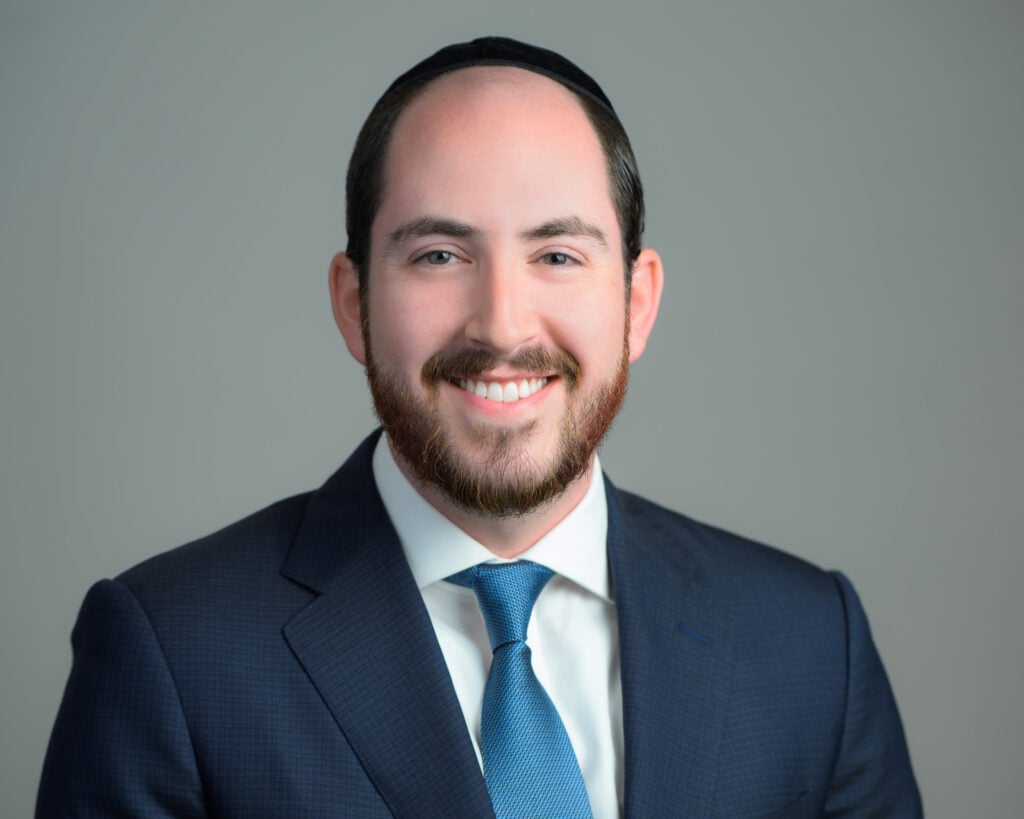
Rabbi Dr. Dovid Fox is a forensic and clinical psychologist, and director of Chai Lifeline Crisis Services. To contact Chai Lifeline’s 24-hour crisis helpline, call 855-3-CRISIS or email [email protected]. Learn more at ChaiLifeline.org/crisis.