
Live Separately: Come Together
Sukkot is one of the three annual festivals when the Jewish people made the aliyah l’regel pilgrimage to celebrate together in Yerushalayim. According to Rambam (Moreh Nevuchim 3:43), an essential purpose of these holidays was to strengthen the ties between Jews.
Togetherness is a nice idea, but is it practical? We naturally and intentionally live in sub-communities with a limited range of diversity of opinions and practices. We do this to be amongst those whose way of life we respect and avoid those whose influence we would prefer to do without. The impact of our social context is such that Rambam (Dei’ot 6:1-2) considered it a Torah obligation to live in a community that will positively influence our values and actions. We deliberately reject indiscriminate togetherness.
Nevertheless, when ascending to Yerushalayim for yom tov we would put these considerations aside for the sake of connecting to all our fellow Jews. That single gathering point would bring us together from our geographically and ideologically diverse places to create the unity of spirit and the mutual trust essential to our national survival. That experience did not erase differences; it created meaningful touch points and bonds across Klal Yisrael. Even those who usually live separately must seize opportunities for contact and connection.
A joint meal was the ideal bonding experience between these diverse travelers. Indeed, the goal of sharing a table during the chag was so elevated that it superseded the halachic caution that would usually limit with whom we would eat, as during these pilgrimage festivals virtually everyone was treated as a chaver whose standards of kashrut and purity could be relied upon. The Talmud’s promotion of this goal was based on two biblical sources, one describing unity of mission, “k’ish echad chaverim, as one person, friends,” and the other the connectivity forged by having our eyes on Yerushalayim “k’ir shechubra lo yachdav, the city joined together.”
Sukkot offers us the opportunity to deepen our internal connections. Whether we are spending yom tov in Yerushalayim or domestically, whether we find ourselves at an airport, a shul, a grocery store, or on a cholhamoed outing, we will inevitably encounter fellow Jews hailing from an ideological or geographic distance. The aliyah l’regel model guides us to go beyond a friendly smile, a warm introduction, or davening in the same minyan. We need to make it a DMC (deep meaningful conversation) moment, confidently and caringly utilizing the festive touch point with another Jew as an opportunity for meaningful connection with those of our people who live beyond the safety of our chosen year-round community of values, both to its left and to its right.
The current Jewish battle for survival and journey towards identity and religious connection are hardly complete. This Sukkot, I plan to find the opportunities to lower my barriers, expand my horizons, and connect meaningfully with a broader swath of Klal Yisrael, enabling us to strive together for what we all believe in.
Gmar tov and chag sameiach. May we be blessed with besorot tovot, much good news. n
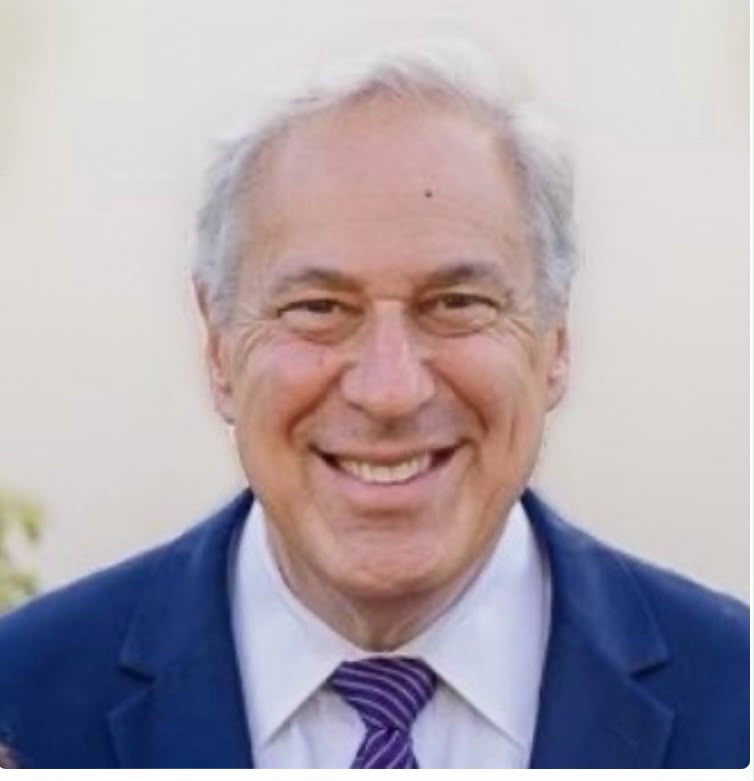
Rabbi Moshe Hauer is executive vice president of the Orthodox Union (OU), the nation’s largest Orthodox Jewish umbrella organization.
Mormon Church Attack, September 28. The Orthodox Union joins with our dear friends in the Mormon community and with all Americans in mourning the victims of the senseless and horrifying attack on the Church of Latter-Day Saints in Grand Blanc, Michigan. The attacker did not satisfy his hatred with the intentional murder of those engaged in worship; he set the entire house of prayer ablaze. It is devastating to see yet another outburst of violent hatred against faith and its practitioners, precisely as so many in our blessed country are turning to focus more on G-d, prayer, love for each other, and our shared religious and moral values.Our hearts have again been broken but our resolve is even stronger to stand together with all Americans against hate.
Mayor Eric Adams Dropping Out Of NYC Mayoral Race. We express gratitude to Mayor Adams for all of his efforts throughout his tenure to provide security and protection for NYC’s Jewish community and institutions, and for his outspoken support of the community and of the State of Israel during this difficult time. In this decision, he has demonstrated leadership and prioritized his concern for the city’s future.