



Nitzavim-Vayelech: As Below, So Above
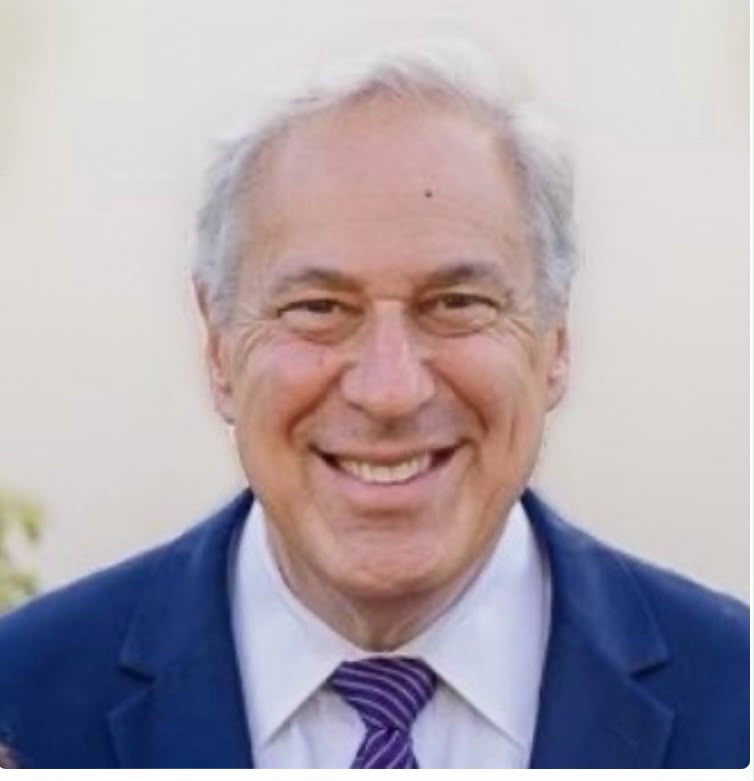
By: Rabbi Judah Mischel
Rebbe Meshulam Feish Halevy Lowy of Tosh, zy’a, the exalted Tosher Rebbe, was an extraordinary holy man, a towering figure of Avodas Hashem and kedushah. Beloved for his impeccable middos tovos and unconditional love for every Jew, the Rebbe founded Kiryas Tosh, a Canadian shtetl in honor of the Hungarian city destroyed during the War.
One frigid Yom Kippur morning in the Beis Medrash of Kiryas Tosh, a simple, unlearned Jew, a plumber, who had joined davening for the High Holidays, left the room during Mussaf and returned a few minutes later, his hands streaked with oil, his shirt stained with grease. But he looked very pleased. “Now it won’t be freezing in here anymore,” he announced to the men sitting in his section. Proudly, he told them that he’d gone to the boiler room to investigate why the heating wasn’t working and found the problem with the oil tank, which he repaired and it restarted. “Oib ess iz heis inten, s’iz heis oiben!” he declared. (If it’s hot downstairs, it will be hot upstairs.)
Later that night at the Rebbe’s tish following the fast, someone told the Tosher Rebbe the unfortunate story of this Jew, who was so unlearned that he was unaware that what he had done was completely forbidden according to halacha.
The Rebbe looked pained, but just for a moment. Then his face turned radiant and with his signature sweetness, told all his followers: “That he doesn’t know is not his fault; he never learned! It’s our obligation to help him, to teach him. But the depth of his words and his intentions, are a message for all of us: Oib ess iz heis inten, s’iz heis oiben—If we live with warmth down here, if we are on fire with Torah, if our davening is warm, then we will create warmth in Shamayim as well!”
n n n
At the core of the Selichos liturgy, we return over and over again to the refrain of the Yud Gimel Middos, Hashem’s Thirteen Attributes of Mercy. Following the Cheit haMeraglim, the sin of the spies, we experience Divine disappointment in our failure to believe in ourselves and Hashem’s promise to deliver us into the Holy Land. Moshe pleads with Hashem to give the Jewish nation another chance: Selach na l’avon ha’am hazeh k’godel chasdecha, “Pardon, I pray, the iniquity of this Nation according to Your great kindness.” The Torah continues, Vayomer Hashem, Salachti K’devarecha, “And Hashem said, ‘I have forgiven them in accordance with your word.’” (Bamidbar, 14:18-20)
A fundamental teaching of the Baal Shem Tov, zy’a, interprets a pasuk in Tehillim, Hashem Tzilcha, “Hashem is your protective shadow” (Tehillim 121:5), and sheds light on our Selichos liturgy. David Hamelech’s phrase also implies that Hashem’s actions in the world above are a reflection of our actions below. Physically, our shadow follows us and moves whenever we move. Thus, whatever we choose to do in this world, the Ribbono Shel Olam, our Shadow, chooses and does as well.
Rav Shlomo Wolbe, zt’l, (Alei Shur, Vol. 2) suggests an explanation why a “shadow” acts as an apt metaphor for Hashem’s protection of us. A shadow is unique in that it reflects the object that is held against the light. If our small finger is set before the light, the shadow will be small. If our whole hand is held up, the shadow will be greater. This is a way of framing Hashem’s reaction to us in the realm of faith. To the degree that we place our whole trust and reliance in Hashem, the more Hashem will provide what we need.
Vayomer Hashem, Salachti K’devarecha: Rashi says this means Bishvil mah she’amarta, because or as a result of what you said. Selichos helps us prepare us to stand before Hashem, with contrition and sincerity, formally addressing our missteps and shortcomings. We awaken the recognition that Hashem Tzilecha, “Hashem is our Shadow,” and is waiting to and willing to forgive us k’devarecha, according to our words of request, according to our own will to be forgiven.
As we approach the High Holidays, we can pause to consider: how much do we really believe that Hashem is hearing our words and forgiving us? How much significance and importance do we subscribe to our prayers, apologies, and supplications before Hashem? Are we willing to be forgiven and to start our lives anew?
For as the well-intentioned plumber of Tosh said, Oib ess iz heis inten, s’iz heiss oiben, “If it’s hot downstairs, it will be hot upstairs.” May we believe in Hashem’s fiery love for us above, and in our ability to fix and restart ourselves below. n
Excerpted from Baderech: Along the Path of the Torah, forthcoming (Mosaica Press, Elul 5786).
Rabbi Judah Mischel is Executive Director of Camp HASC, and Mashpiah of OU-NCSY.