Rebuilding After Divorce: The Role Of Plastic Surgery
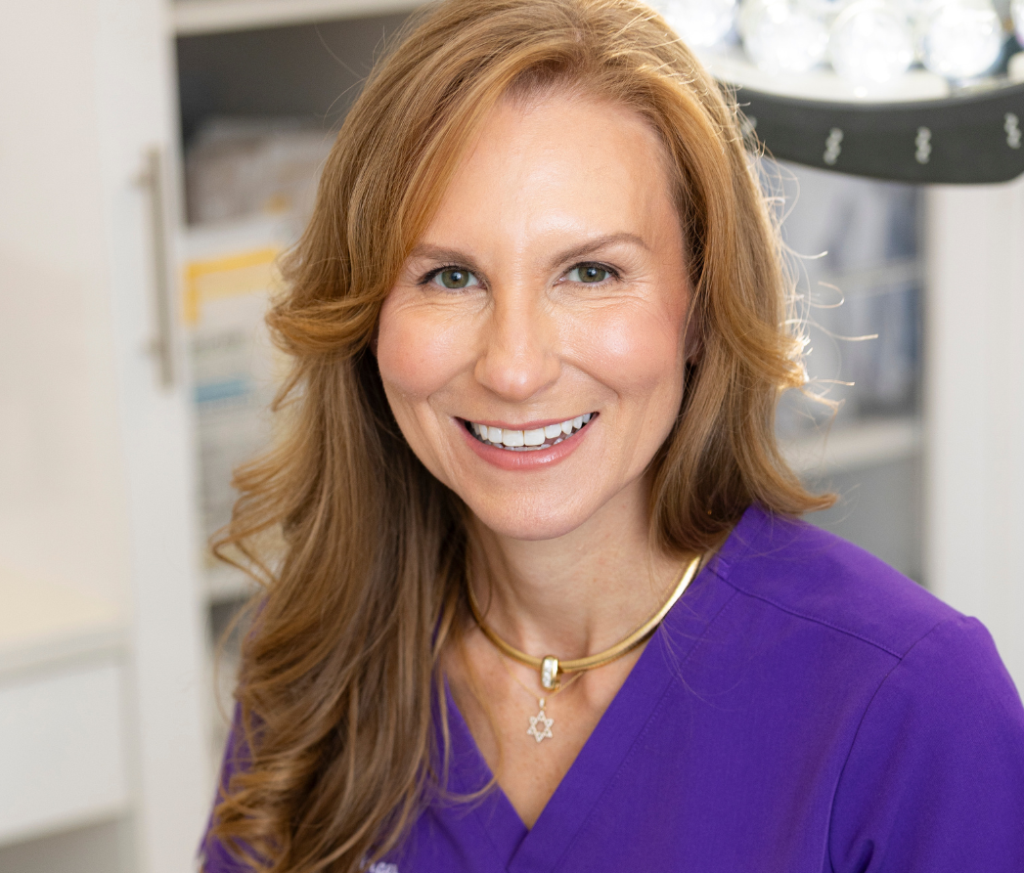
By: B. Aviva Preminger, MD, MPH, FACS
Not long ago, a patient sat across from me and said something I’ve heard, in different forms, many times before. “I don’t recognize myself anymore.” She wasn’t talking only about her face, or her body. She was talking about her life.
She had recently gone through a divorce, the kind that doesn’t just change your address or your schedule but quietly rearranges how you see yourself. For years, she had been someone’s wife, someone’s partner, part of a unit. Now she was alone, trying to figure out who she was again. Attending simchas alone was terrifying. She worried that all eyes were set on her in judgment or criticism of some kind. Did she look pretty enough? Did she look young enough?
Somewhere in that process, she found her way into my office. This is not unusual.
Divorce is one of those moments in life where everything feels unsettled at once. Identity, confidence, routine, how you show up in the world. Believe me—I have been there. For some, that leads to therapy, or travel, or career changes. For others, it leads to a mirror. Sometimes, that mirror brings you to a plastic surgeon’s office.
Here is where the conversation becomes more complicated. While plastic surgery can be part of rebuilding, it can also be misused as a shortcut for healing. Early on in medicine, we are taught the foundational principle: first, do no harm. In plastic surgery, that responsibility often extends beyond the operating room. It means understanding not just what a patient is asking for, but why.
When someone comes in after a divorce asking for a complete transformation, the surgeon’s instinct might be to say yes. After all, this is a field built on change. Experience teaches something different. Physical transformation may or may not make your partner regret a divorce, but that doesn’t matter, because physical transformation should only be done to make you feel good about yourself. If the goal is to become a different person, surgery will always fall short. If the goal is to rebuild confidence or help you re-enter the dating world or simply reconnect with the person you feel you’ve lost, it can sometimes help. There is a difference between reinvention and restoration.
I once had a patient who came in determined to “start over.” She had a long list of procedures she wanted: face, body, everything. As we spoke, however, it became clear that what she was really grieving wasn’t her appearance. It was a version of her life that no longer existed. No amount of surgery was going to fix that. So, we didn’t operate, at least not then.
Months later, she came back. Calmer, more grounded. This time, her goals were different, not to erase the past, but to feel more like herself again. We chose a much more limited approach. The outcome was subtle, but meaningful. More importantly, it was effective because it was timed correctly.
There is also a Jewish perspective that quietly underlies these decisions. We are taught that the body is something to care for. At the same time, we are reminded that external change without internal alignment is incomplete.
After divorce, there is often a powerful urge to do something, to take control, to move forward, to mark a new beginning. That instinct is understandable. But meaningful rebuilding is rarely immediate. It takes time to process, to stabilize, to rediscover what feels authentic. Surgery done too early can reflect instability. Surgery done thoughtfully can reflect growth. Part of my role is to know the difference.
Not every patient who comes in to see me after a divorce is making an impulsive decision. Many are thoughtful, measured, and clear about their goals. For them, plastic surgery can be a positive and powerful step, a way to align how they look with how they feel as they move forward and embrace a new future.
But timing matters. Intention matters. Expectations matter. Sometimes, the most important thing a surgeon can say is not no, but rather, “Not yet.”
Because reshaping a body is not the same as rebuilding one’s life or one’s confidence. One can be performed in a few hours; the other may take much longer and deserves the appropriate amount of time and consideration.
At Preminger Plastic Surgery, we are committed to educating our patients and providing personalized care tailored to their unique needs. For those considering plastic surgery, we offer guidance every step of the way to help you achieve your aesthetic and wellness goals. Dr. Preminger is a board-certified plastic surgeon with degrees from Harvard, Cornell, and Columbia.
For more information or to schedule a consultation, please visit premingermd.com or call 212-706-1900. Follow us on Instagram @premingerplasticsurgery.