Safe Space: A Relapse Doesn’t Mean It’s Over
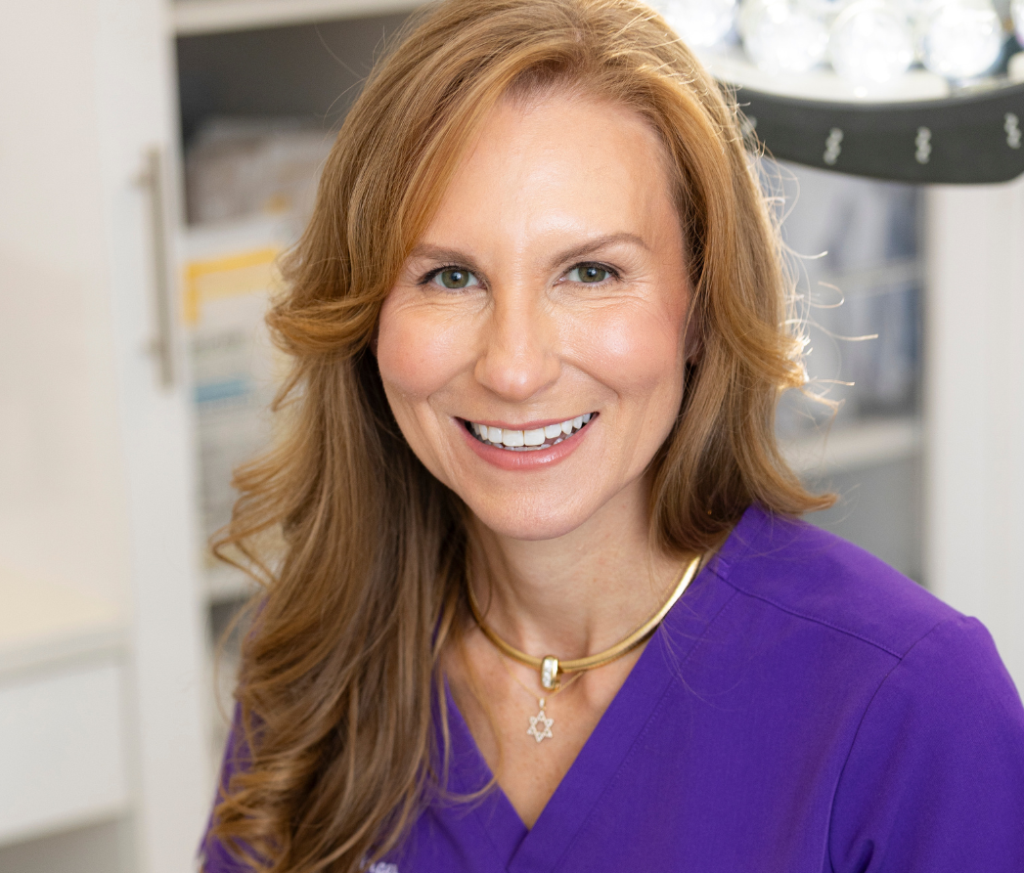
Jessica Steinmetz, LMHC, CASAC-G
Question:
I had eight months of sobriety and I messed up. My family is devastated; I’m devastated. I don’t even know how to explain what happened because I don’t fully understand it myself. Things were going so well, and it feels like it happened out of nowhere. I thought I could do it myself, but it seems that I can’t. I don’t even know if I can redo early sobriety again. Is there any point in trying again?
Answer:
Yes, there is every point in trying again.
It means something that you’re reaching out and asking rather than hiding or isolating.
Eight months is real. It happened. A relapse doesn’t erase all that time the way it feels like it does the first few hours and days afterward. The work you did, the days you chose differently, the things you learned about yourself—none of that is gone. What you’re feeling right now is shame, and shame has a way of rewriting history. It tells you that because you relapsed, none of the work you did counts. That isn’t true; it’s just loud.
The shame after a relapse is one of the hardest things to sit with. And it’s also one of the most dangerous parts of this moment. Not because it isn’t understandable, but because of where it tends to lead. When someone feels like they’ve proven they’re beyond help, they start acting like it. The shame becomes its own reason to keep using. This is why the most important thing right now is to not let it make your decisions for you.
You said it just happened out of nowhere. I hear that a lot, and I believe it feels that way. But here’s what I want you to understand, not to lecture you, but because you said you don’t fully understand what happened, and you deserve a real explanation.
Addiction isn’t something that gets resolved and then stays goes away. It isn’t a passing phase. The brain changes through the process of addiction in ways that don’t simply reverse when you stop taking the substance. The vulnerability stays. That’s not a character flaw or a sign that you didn’t try hard enough. It’s the nature of addiction. Recovery isn’t something you finish. It’s something you maintain, with structure and support, over the long term.
You also said something important: “I thought I could do it myself.” That’s usually where the crack appears. That’s not a weakness. Recovery is not something most people can sustain alone. The structure, the accountability, and the support around you aren’t crutches. They are recovery.
In my experience, the people who struggle the most in recovery are almost always the ones who feel like they can do it on their own and let go of the support that got them there.
Most people who reach long-term recovery have been exactly where you are right now. I’m not just saying that to make you feel better, but because it’s true. The ones who make it aren’t the ones who never slip up. They’re the ones who didn’t let the slip become the ending.
What happens in the days right after a relapse matters more than most people realize. Getting back into support quickly—before the shame hardens into silence and the distance between you and help grows too wide—is the most concrete thing you can do right now. Not after you’ve figured out how to explain it to everyone. Not once things seem to have calmed down. Now.
That might mean calling your therapist today, going to a meeting tonight, or telling one person the truth instead of waiting until you have a better explanation.
When someone calls me after a relapse, they usually say some version of the same thing, “I can’t keep doing this anymore.”
And the first thing I ask is, “What do you want to do?”
Not what your family wants. Not what you think you should want. What do you actually want?
That question matters because you are not a passive participant in your own recovery. You’re allowed to want things. And somewhere underneath everything you’re feeling right now, you already know what you want. Otherwise, you wouldn’t have reached out for help.
You don’t have to have it together before you call. You don’t have to explain what happened, have a plan, or be certain you can do this. This is a “one day at a time” program. You don’t have to figure out the whole future right now. Just focus on today. Come in, sit down, and talk to someone who has heard this before and isn’t going to flinch.
That’s the next step. Just that one. Then we can take it from there.
If you or someone you know is struggling or has questions about gambling, substance use, or habits that feel harder to control than they should, support is available. Questions can be submitted anonymously to [email protected]. Selected questions will be addressed in future columns. For confidential support, call (718) GET-SAFE.
Jessica Steinmetz, LMHC, CASAC-G is the clinical director of The Safe Foundation, an outpatient treatment program licensed by NYS OASAS and NJ DMHAS, providing confidential, professional services for individuals and families affected by substance use and gambling disorders. We offer respectful and culturally sensitive support delivered with a deep understanding of the values and dynamics that shape the communities we serve.