




Taking the Reigns
By: Rabbi Shmuel Silber
Jacob became very frightened and was distressed, so he divided the people who were with him and the flocks and the cattle and the camels into two camps. And he said, “If Esau comes to one camp and strikes it down, the remaining camp will escape.” (Bereishis 32:8-9)
Yaakov prepares for the overwhelming reunion. Will Esav want war or peace? Has Esav forgiven his brother, or does he still harbor animosity? These are the questions swirling around Yaakov’s head. Rashi explains that Yaakov prepared for this encounter in various ways. He prayed to G-d for help, split the camp in anticipation for war, and sent gifts to appease Esav. Although Rashi mentions prayer first, Yaakov, in fact, prepares for war first and only afterwards prays. Rav Zalman Sorotzkin (1881-1966) in his work titled OznayimLaTorah asks a simple question, “Why didn’t Yaakov pray first? Isn’t prayer the most instinctive, reflexive response to danger and difficulty? Why does he first split the camp and then only later turn to spiritual options?”
Rav Sorotzkin answers that tefillah, prayer, requires a certain level of “yishuv ha’daas,” inner quietude and concentration. When Yaakov hears that Esav is coming to meet him with 400 men, he is consumed with worry and fright for his children and wives. He knows he can’t best Esav on the battlefield and realizes that at this point flight is no longer an option. Tefillah, true dialogical connection with Hashem, requires concentration and some measure of inner peace. Yaakov doesn’t have it and so he doesn’t pray. It is only after he takes other steps and feels a bit more “prepared” for this encounter that he could reach out and converse with Hashem.
Perhaps, the Torah is teaching us an additional lesson as well. When we encounter a challenge, perhaps the step before (or at least concurrent with) prayer is action. When we encounter difficult or tumultuous circumstances, we must ask ourselves, what can I do to help myself? How can I own this situation to make it better? All too often, we rely on others to solve our problems and fix that which is broken. If you want something done in life, roll up your sleeves and get it done yourself. To an extent, we must take this approach with Hashem. Of course, the Ribbono Shel Olam is always here to help us. But what He wants more than anything is for us to own our circumstances and engage in dynamic activity to help ourselves and better our world. He doesn’t only want us to pray; He wants us to act. Hashem gives us the incredible opportunity to partner with Him to advance ourselves and our world. The reality is we can’t accomplish anything without G-d’s assistance and providence. But we must take the first step. We can’t ask Hashem to act if we are unwilling to act ourselves.
Perhaps, this was the dynamic unfolding with Yaakov Avinu. Yaakov realized he needed to prepare in these three ways. He understood that tefillah was an absolute necessity. Yet, Yaakov understood that there is decisive action he could take to help himself, take ownership over his circumstances, and act. And so, he splits the camps in preparation for war, sends a beautiful gift to Esav and then says, “Hashem, I have done everything I can, I need your help. Where my reach ends, is where Yours begins. Hatzileyni Na, save me and my family from these difficult circumstances.”
We all encounter challenges, difficulties, and moments of uncertainty. In those moments, it is tempting to wait for someone else to solve our problems or to place the responsibility in the hands of Hashem. Yaakov Avinuteaches us that Hashem is always with us and always ready to help, we must be willing to help ourselves. We must take ownership of our circumstances. When life becomes overwhelming, we must have the courage to split the camp by doing what is in our hands and then placing what is beyond our reach in the hands of Hashem.
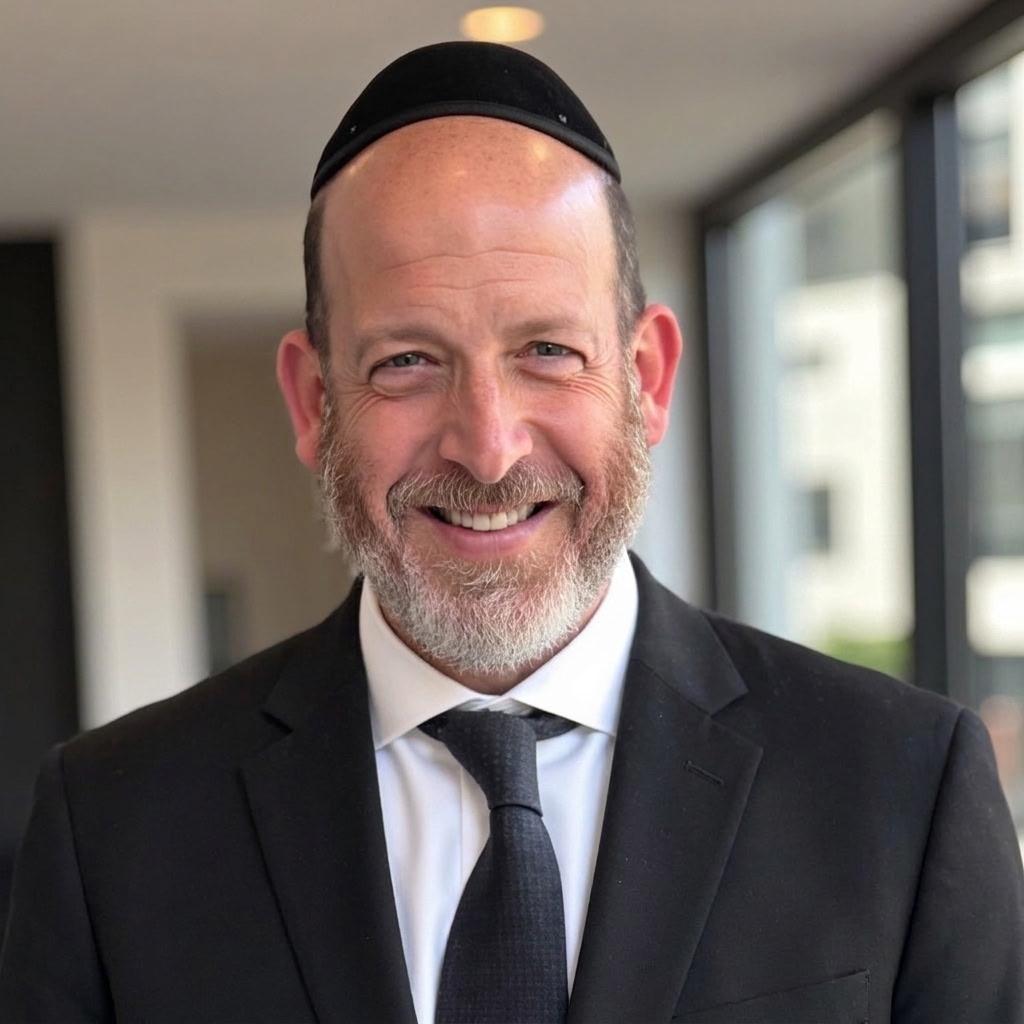
Rabbi Shmuel Silber is Executive Vice President at the Orthodox Union.