
The Things They Didn’t Teach Me In Medical School
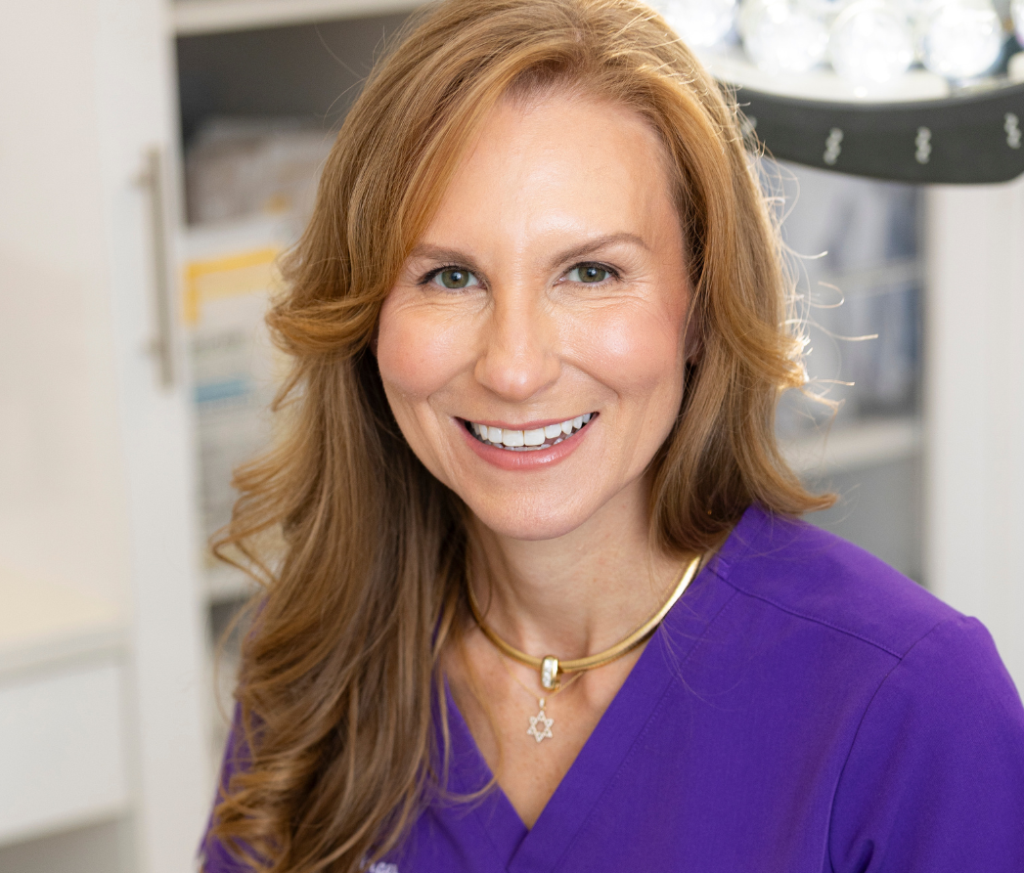
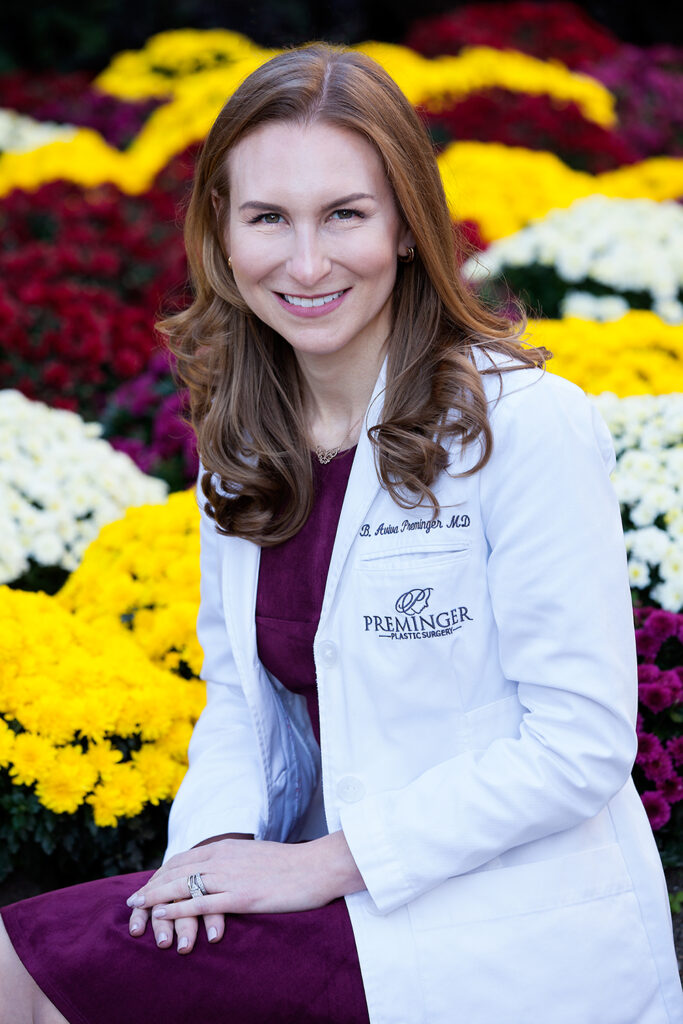
By: B. Aviva Preminger, MD, MPH, FACS
My professors taught me anatomy, physiology, and the intricacies of wound healing. I learned how to hold a scalpel, close a wound, and perform surgery with precision. What they didn’t teach me in medical school were the skills that truly sustain a medical career—the human, emotional, and managerial ones that do not exist in the pages of a textbook.
In organic chemistry, I mastered the chemical reactions that would never again see the light of day in my professional life, yet I graduated without a single class on managing real-world reactions, the ones that come with handling people, stress, and unpredictability.
No one taught me how to run a business. I learned to diagnose and treat, not to negotiate lease terms, manage payroll, or create an efficient workflow that balances quality of care with financial sustainability. The economics of private practice—employment issues, insurance contracts, vendor negotiations, staffing costs—felt like a foreign language at first. But over time, I realized that understanding the business side of medicine wasn’t an option; it was essential. The privilege of operating and caring for patients had to be earned. To keep the lights on, to retain staff, and to offer patients the experience they deserve, I had to become both a surgeon and CEO.
In medical school, I memorized cranial nerves, but only later learned about conflict resolution, motivating a team, and creating a culture of kindness and accountability. Through experience, I learned that leadership isn’t about authority, it’s about empathy. It’s about listening to the receptionist who greets each patient, the nurse who anticipates your needs in the OR, the assistant who stays late to make sure everything is ready for the next day. The health of my practice depends as much on the people who run it as on the procedures I perform.
In medical school, no one mentioned the delicate balance between honoring faith and maintaining a full schedule. I was unprepared to negotiate running a practice that I would need to close for religious holidays (that always seemed to fall out too early or too late in the year). Yet over time, I learned that stepping away—whether for Rosh Hashanah, Yom Kippur, or Shabbat—isn’t an act of neglect, but one of renewal. It’s what allows me to return to my patients grounded, focused, and grateful.
They didn’t teach me how to juggle motherhood with medicine. There’s no curriculum for balancing the needs of patients with the needs of your children, no lecture on how to squeeze a Siddur or Chumash play in between patients. No one warned me that I would be answering patient calls and responding to their concerns from the back of a high school gymnasium during a varsity basketball game. But motherhood has given me a unique perspective; it has taught me patience, prioritization, and humility. It’s made me a better listener, a better communicator, and a better doctor.
Perhaps most importantly, they didn’t teach me how to treat patients the way I would want to be treated. Compassion can’t be measured on an exam. What matters most isn’t just the aesthetic result, but how patients feel when they’re in your care—whether they feel seen, heard, and respected. Plastic surgery is as much about restoring confidence as it is about restoring form. Every patient who walks through my door deserves to be treated not just as a case, but as a person.
After all these years, I’ve realized that medicine is equal parts science and heart. What they didn’t teach me in medical school are the lessons that have shaped me the most, the ones that make me not just a surgeon, but a caring human being.
At Preminger Plastic Surgery, we are committed to educating our patients and providing personalized care tailored to their unique needs. For those considering plastic surgery, we offer guidance every step of the way to help you achieve your aesthetic and wellness goals. n
Dr. Aviva Preminger is a board-certified plastic surgeon with degrees from Harvard, Cornell, and Columbia. For more information or to schedule a consultation, please visit PremingerMD.com or call 212-706-1900.