When Rhetoric Turns Deadly: Why Defending Israel Now Comes With A Target On Your Back
By Anthony D’Esposito
There are moments when pretending not to see a pattern becomes an act of willful blindness. The attack on a Chanukah celebration in Australia, the recently thwarted New Year’s Eve terror plot in California, and the daily threats faced by Jews and pro-Israel voices across the Western world are not disconnected events. They are symptoms of the same sickness: a culture that has normalized hatred of Israel and tolerated the dehumanization of Jews under the banner of political activism.
What happened at a Chanukah gathering in Australia should chill every Jewish family, no matter how far away it occurred. Jews were not attacked because of a policy debate. They were not targeted because of a military decision or a diplomatic disagreement. They were targeted because they were Jewish, publicly, proudly, and visibly celebrating their faith. That reality matters, because it destroys the lie that antisemitism today is merely “criticism of Israel.”
The same lie was exposed when authorities disrupted a planned New Year’s Eve attack motivated by extremist ideology masquerading as political protest. This plot did not target government buildings or military installations. It aimed at civilians, crowds, and law enforcement, the very definition of terror. Once again, ideology crossed the line into violence. Once again, rhetoric became action.
None of this happened in a vacuum. It is the predictable outcome of years of incitement that too many leaders, institutions, and media outlets have excused, sanitized, or outright encouraged. When chants calling for the destruction of Israel echo through Western capitals, when Jewish students are harassed on college campuses, when synagogues require armed guards, and when elected officials hedge their condemnation of antisemitism, extremists receive a clear message: this is acceptable.
For those of us who defend Israel publicly—the consequences are no longer theoretical. Threats are routine. Harassment is constant. Security is no longer optional. Speaking plainly about Israel’s right to exist, to defend itself, and to defeat terror now comes with personal risk. It is a personal risk that I am proud to take because we must.
Let’s be clear about something that too many are afraid to say out loud: the line between anti-Israel rhetoric and antisemitic violence is not blurry. It is direct. When Israel is demonized as uniquely evil, when its existence is treated as illegitimate, when Jewish self-defense is framed as aggression, the message received by extremists is that Jews—everywhere—are fair game. This is not new. Jewish history teaches us exactly where this road leads. What is new is this hatred is openly being laundered through the language of social justice, human rights, and activism. Words like “resistance” are used to justify murder. Calls for “intifada” by the mayor-elect of the largest city in the world are waved off as symbolic. Slogans that would be recognized instantly as genocidal if aimed at any other group are given a pass when aimed at the Jewish state.
And far too many political leaders, particularly on the left, have chosen appeasement over courage. And yes, there are hateful, antisemites on the right too and they must be held accountable as well. They issue statements condemning violence only after blood has been spilled, while refusing to confront the rhetoric that has made that violence possible. They speak about “both sides” when Jews are targeted. They worry more about offending activists than about protecting Jewish communities.
That cowardice has consequences.
When Jewish families see police barricades around holiday celebrations, they know something fundamental has shifted. When Jewish parents warn their children to hide their identity on campus, they know this is not just about Israel anymore. When defenders of Israel require security details, it becomes obvious that speech itself has become dangerous. And yet, in the face of this, we are told to lower our voices. To be less “provocative.” To stop “escalating.” Jews are once again being asked to make themselves smaller for the comfort of others. That is not a solution. It never has been.
Israel’s enemies understand something very clearly: rhetoric is a weapon. It softens targets. It legitimizes violence. It creates moral cover for the indefensible. That is why Hamas invests so heavily in propaganda. That is why terror groups celebrate Western protests that echo their language. They know that once the world accepts their framing, the violence becomes easier to justify.
Defending Israel is not extremism. Supporting Israel’s right to exist is not radical. Demanding that Jews be allowed to live and worship safely is not controversial. These should be basic moral positions. The fact that basic moral principles are being treated as debatable tells us everything we need to know about the moment we are in.
This is not about silencing criticism or shutting down debate. Israel, like any democracy, can and should be debated. But there is a difference between criticism and delegitimization, between disagreement and dehumanization. When that line is crossed, and it has been crossed repeatedly, violence follows.
The attack in Australia and the foiled plot in the United States are warnings. They are reminders that the cost of irresponsible rhetoric is not measured in tweets or headlines, but in lives. They tell us that the danger is no longer confined to the Middle East. It is here. It is local. It is personal.
Jewish history does not allow us the luxury of denial. We know what happens when hatred is excused, when threats are minimized, and when leaders choose comfort over clarity. We also know that silence has never kept Jews safe.
That is why those of us who defend Israel must continue to speak—clearly, unapologetically, and without fear. We do so not because it is easy, but because it’s necessary. We do so because Israel’s survival is inseparable from Jewish safety everywhere. We do so because allowing lies to go unchallenged has never ended well for our people. We do so because it’s the right thing to do.
The choice before leaders, institutions, and society at large is stark: confront the rhetoric that fuels violence or accept that more blood will be spilled. Stand with Israel, our greatest ally, and the Jewish people, or continue pretending that hatred will burn itself out.
History will judge which path we have chosen.
And so will we.
Chag Urim Sameach.
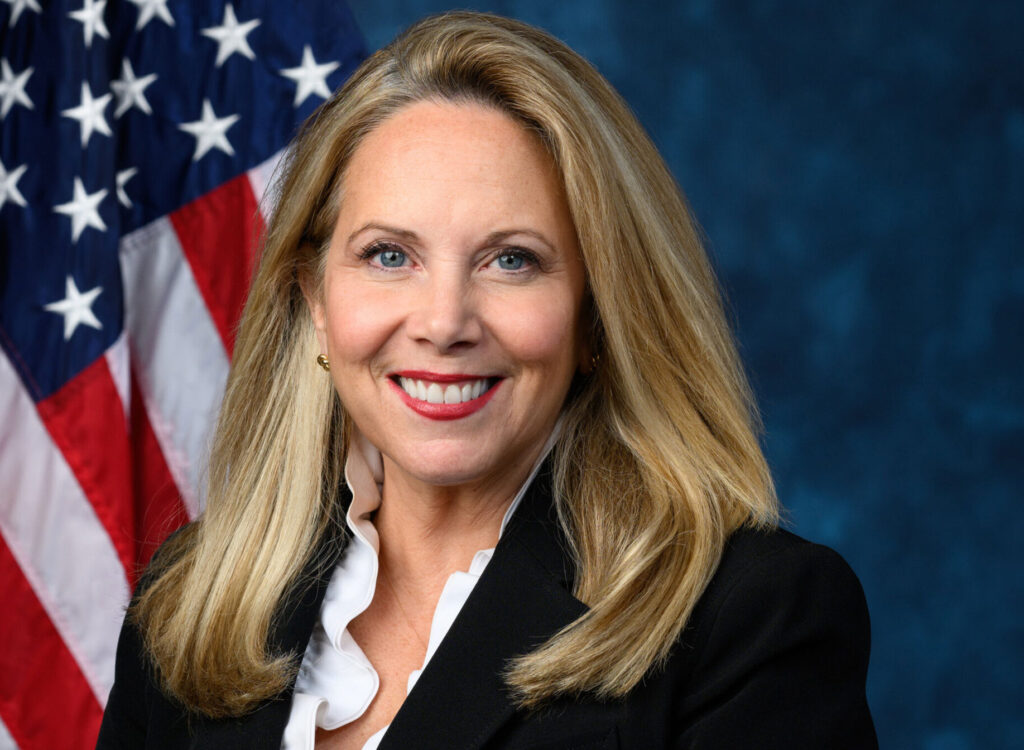
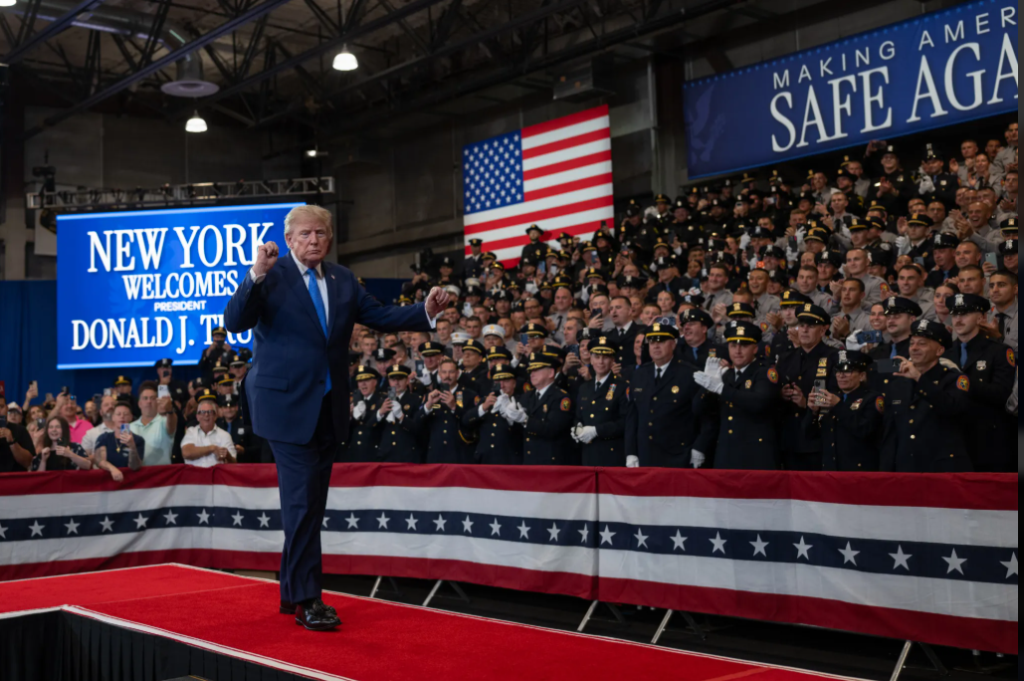
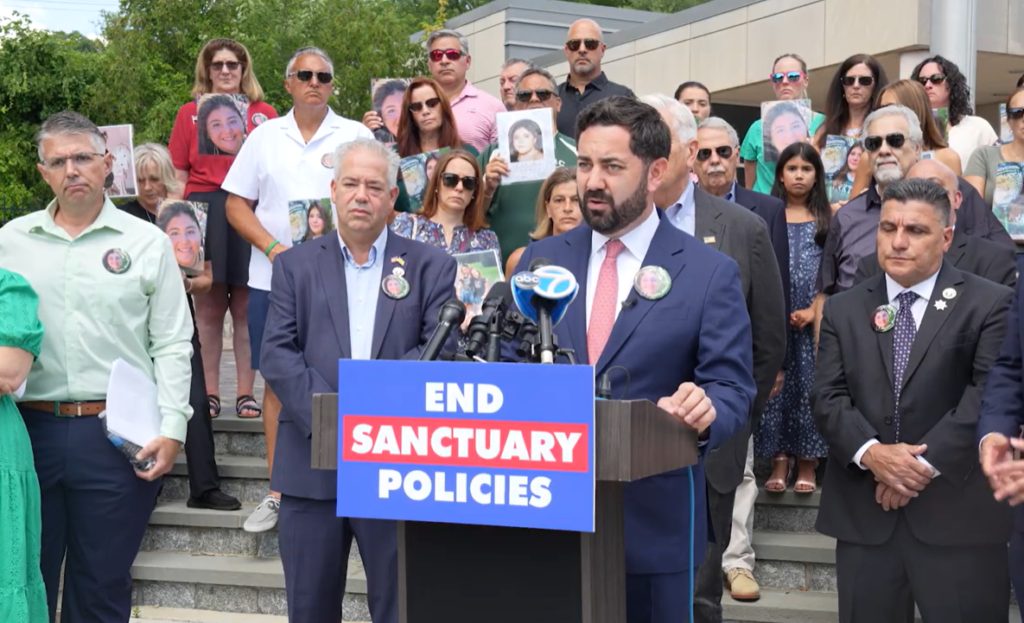
Congressman Anthony D’Esposito was recently nominated by President Donald Trump to serve as Inspector General of the Department of Labor. Previously, he served in Congress, representing New York’s 4th Congressional District. Anthony served as a Councilman in the Town of Hempstead after retiring from the NYPD as a highly decorated Detective. He also served as Chief of the Island Park Fire Department and helped lead the all-volunteer organization’s response to Super-Storm Sandy. The Congressman appears frequently on Fox News, Newsmax, ABC National News, and 77 WABC Sid and Friends in the Morning. To contact, email [email protected].