
Collegiality In Plastic Surgery And Beyond: A Rising Tide Lifts All Boats
By: Preminger
Medicine is often portrayed as intensely competitive. Admission to medical school, surgical residency, fellowships, academic appointments, publications, and leadership positions all demand that we distinguish ourselves. The perception is that one needs to get the highest grades, MCAT scores, and have the best résumé. Plastic surgery is no exception. On the contrary, it is one of the most competitive medical specialties by far. Yet, over the years, one of the greatest lessons I have learned is that success is never diminished by celebrating someone else’s accomplishments.
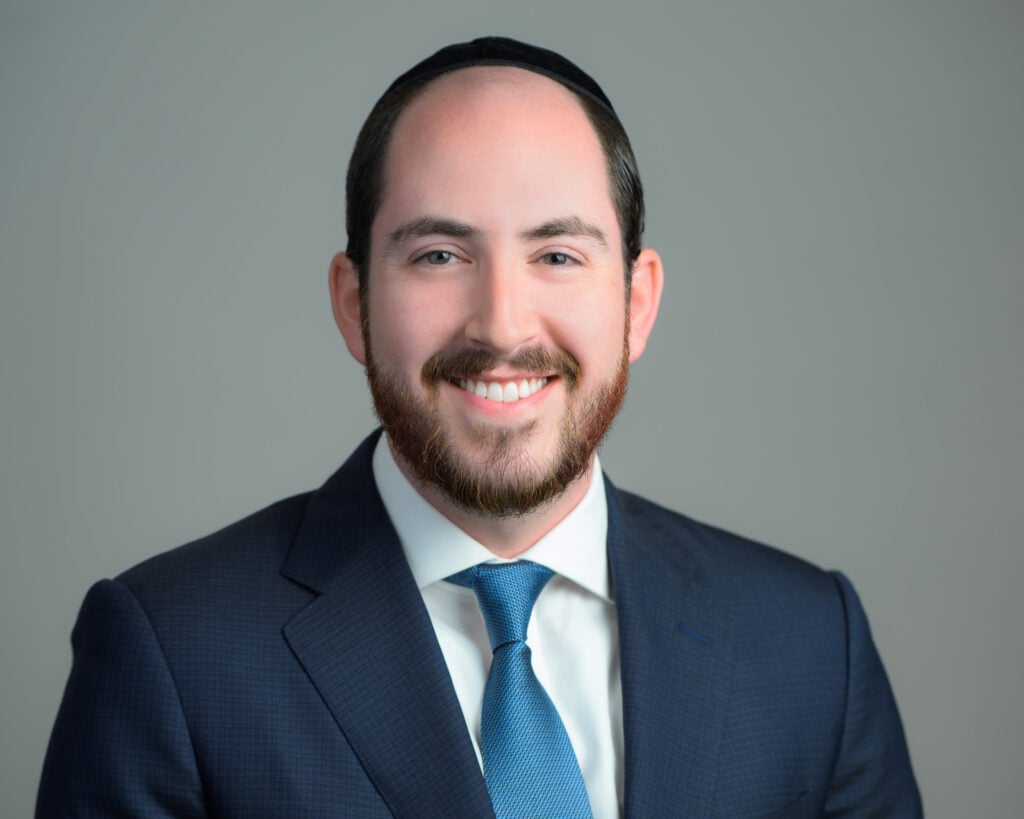
The other evening, as a member of Sharsheret’s Medical Advisory Board, I had the privilege of presenting the Sharsheret Maimonides Award to my friend and colleague, Dr. Oren Lerman. Standing at the podium, I realized that while the audience saw an accomplished plastic surgeon being honored, I saw someone I’ve known since I was fourteen years old. We both grew up in the Five Towns. We competed together in HAFTR’s Mock Trial club, pursued the same profession, survived intense surgical training, and somehow our paths continued to intersect over decades of friendship.
It would have been easy to view one another as competitors. Instead, we became colleagues in the truest sense of the word. Plastic surgery is a surprisingly small community. We train together, lecture together, review one another’s research, and often call each other for advice on difficult cases. The strongest surgeons are not those who pretend to know everything. Rather, they are the ones confident enough to ask another trusted colleague, “What do you think?”
Patients benefit enormously from that culture. When physicians respect one another, information is shared more freely. Referrals happen without ego. Complications are managed collaboratively rather than defensively. Young surgeons find mentors, and experienced surgeons continue to learn.
Organizations like Sharsheret embody that same spirit. Caring for patients with breast and ovarian cancer requires surgeons, oncologists, genetic counselors, nurses, volunteers, and advocates working together. No one accomplishes that mission alone.
Judaism teaches the same lesson. In Pirkei Avot (Chapter 4, Mishnah 1), Ben Zoma asks, “Who is honored?” and answers, “One who honors others.” “Eizehu michubad, hamichabed at habriot.”
That timeless teaching reminds us that true honor is not something we demand for ourselves; it is something we earn by recognizing the accomplishments, dignity, and humanity of those around us.
Presenting Oren with the Maimonides Award reminded me that awards recognize achievement, but friendship recognizes character. The older I become, the less that I measure success by titles and accolades and the more I measure it by the people who I am proud to call colleagues. There is enough room in our profession for excellence and friendship to coexist. In fact, I believe they depend on one another. It is the true definition of collegiality.
Congratulations, Oren, on a well-deserved honor! Thank you for reminding all of us that the best surgeons are not only skilled with their hands, but generous with their hearts, and for reminding me that the greatest honor we can receive is to honor others. Thank you Sharsheret for giving me the opportunity to do so. n
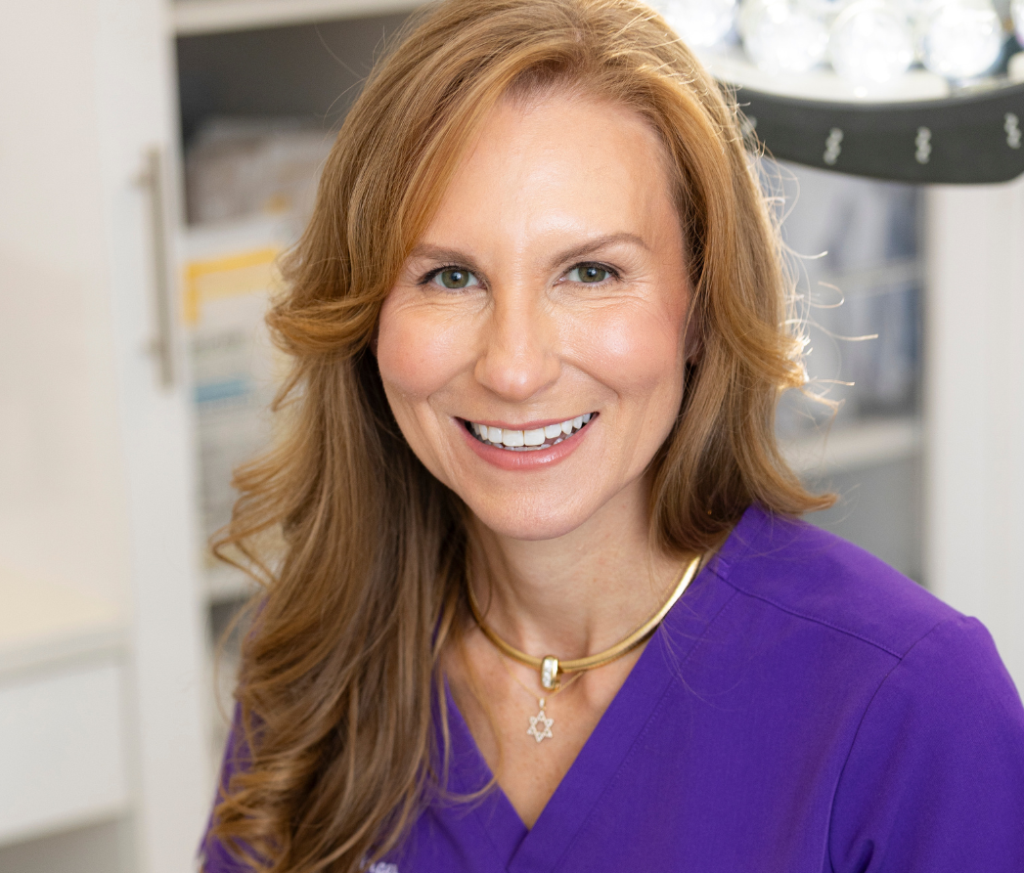
At Preminger Plastic Surgery, we are committed to educating our patients and providing personalized care tailored to their unique needs. For those considering plastic surgery, we offer guidance every step of the way to help you achieve your aesthetic and wellness goals. Dr. Preminger is a board-certified plastic surgeon with degrees from Harvard, Cornell, and Columbia.
For more information or to schedule a consultation, please visit premingermd.com or call 212-706-1900. Follow us on Instagram @premingerplasticsurgery.