
Returning To School: A Challenge Beyond The Standard Checklist
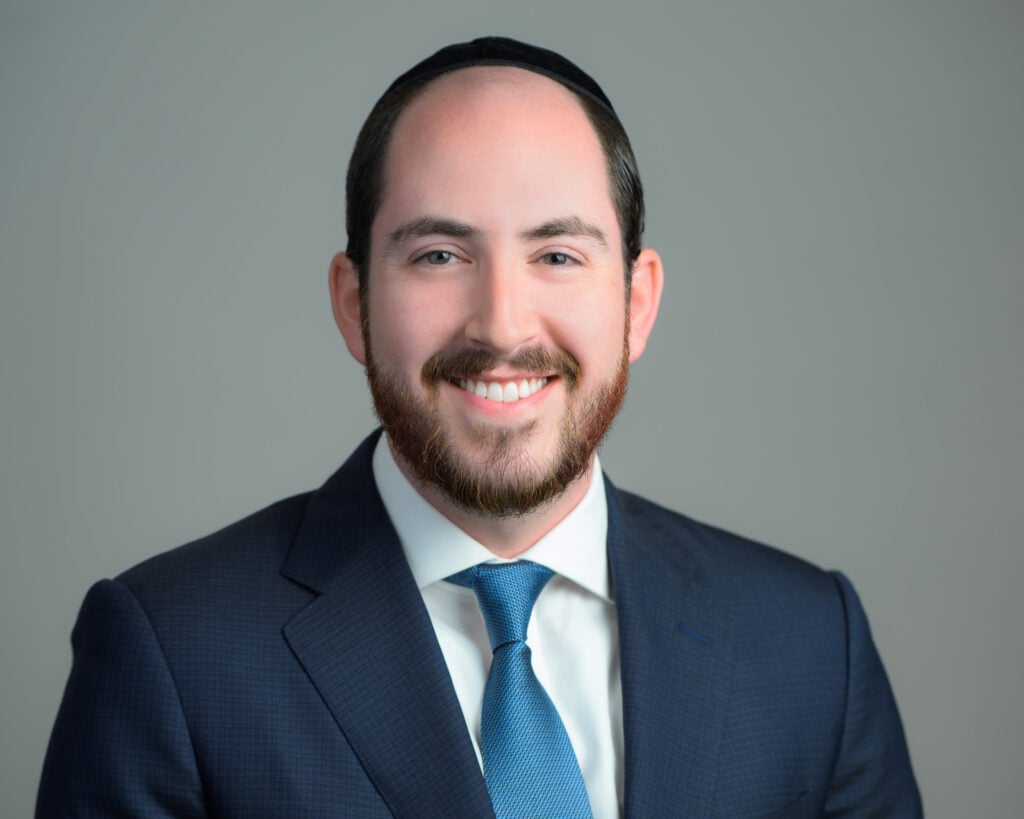
By: Dr. Chaim Y. Botwinick
As schools prepare to open, I receive numerous calls, emails and texts from colleagues and friends who work in yeshivas and day schools and wish to discuss their beginning-of-year challenges, dilemmas, and concerns. Some of the issues they face are unique, complex, and complicated. Others are less so. Regardless, they all require validation, advice, guidance, and professional direction. Some of these yeshiva and day school principals must grapple with a wide array of new and unique challenges and opportunities, and I thought I would share them with you since, as they say, one person’s challenge is another person’s insight or good fortune. This is particularly true in the case of education, where sharing best educational practices are imperative to an informed leadership. So, in the spirit of sharing, I present the following.
Every year, our senior educational leaders are tasked with the daunting responsibility of inspiring and leading their schools, teachers, parents, and community as they return to school from vacation. As we know, the principal or head of school plays a vital role in setting the tone for the new academic year. The following are several tasks and responsibilities they must undertake at the beginning of each year:
- Welcoming teachers, students, and parents, which requires organizing events, assemblies, orientation sessions, highlighting and outlining expectations and key initiatives for the year;
- Scheduling and coordinating teacher and staff meetings in order to review and discuss school policies, curriculum updates, staff roles, and responsibilities;
- Reviewing and distributing handbooks and policy manuals outlining school rules, policies, and expectations;
- Visiting classrooms in order to meet and greet teachers, review and observe lessons, and familiarize themselves with new and returning students;
- Responding to important parent communications, including inquiries, expectations, and involvement regarding scheduling, special needs, and curricular expectations;
- Creating concise security protocols in case of emergency;
- Reviewing academic and curriculum plans, setting academic goals, and reviewing academic progress and expectations;
- Designing extracurricular activities and holiday celebrations;
- Setting the school’s tone in order to create a culture commensurate with the mission, vision, and philosophy of the school.
These leadership tasks are just a fraction of what is required of principals and administrators. More often than not, these responsibilities are implemented together with the school’s executive management team. In fact, it is this team that helps the directors and principals implement their day-to-day planning responsibilities and obligations.
Several other critically important leadership tasks and responsibilities include budgeting, financial resource development, and marketing. These three areas are essential in order to ensure that the school possesses the resources necessary to carry out and fulfill its mission. Planning and implementation in the absence of potential resources is just not feasible.
Finally, it is essential that the head of the school or principal have an effective and high performing governing Board that is engaged, motivated, and inspired. This requires that the senior leadership ensure that they identify lay leaders who are willing and able to devote their time, resources, and energy to the school.
This year, our Jewish day schools and yeshivot will be facing an additional leadership challenge. These challenges relate to the seismic explosion of global anti-Semitism and Jew-hatred and a potential existential confrontation with Iran. How are these geopolitical issues relevant to the role and responsibility of our principals? It’s possible that during the summer, while on vacation or in camp, the students may have been exposed to harsh news and the daunting reality facing Israel and Jews worldwide in the face of global antisemitism.
These realities affecting our Jewish communities cannot be wept under the rug. They affect every student, family, and teacher in one way or another. But the question remains: Given these realities, how will the leadership of our day schools and yeshivot prepare their students for this coming school year against a backdrop of antisemitic events and global Jew hatred?
Preparation for the new school year should include the engagement of counselors and school psychologists who are trained in responding to trauma. Schools should also schedule special assemblies and programs that are devoted to the crisis, as well as schoolwide chesed programs in support of Acheinu Bnei Yisrael living in Israel.
Our schools must also be prepared to offer our students, faculty, and parents a series of lectures, seminars, and divrei Torah devoted to combating antisemitism, building Jewish identity, ahavat Yisrael, achdut, resilience, and other topics that prepare our children and faculty for the harsh realities that we are currently facing. How our educational leaders prepare our schools for these challenges will surely test their leadership and resolve. This is especially critical in light of the recent antisemitic events that occurred recently in Upper Manhattan, Toronto, and other densely populated Jewish communities.
All indications suggest that in light of this out-of-control raging fire, the coming school year will be challenging and difficult at best. Will our schools be prepared? Will world Jewry be prepared? Time will tell.
Preparing our students and their families for the coming school year is much more than simply following a checklist. It will require sensitivity, insight, due-diligence, a sense of urgency, proactive leadership, and a well of deep understanding regarding today’s harsh climate. It is our hope and prayer that our schools will be blessed with the type of leadership and understanding required to educate and inspire current and future generations. But, as we know, although we know hakol b’yadei Shamayim, we must also do our part.
We are living in challenging and daunting times. We must do everything in our power to ensure that our day schools and yeshivot remain peaceful and calm islands of safety and security in a turbulent sea of evil and hatred. n
Dr. Chaim Botwinick is a senior executive coach and an organizational consultant. He served as president and CEO of the central agency for Jewish education in Baltimore and Miami; in addition to head of school and principal for several Jewish day schools and yeshivot. As an influencer, he has published and lectured extensively on topics relating to education, strategic planning, and leadership development. He is the co-founder of LEV Consulting Associates and host of the Chinuch Horizons podcast series. Dr. Botwinick is the author of Think Excellence, Brown Books (2011).