


The Difference Between Wisdom And Knowledge In Plastic Surgery—And Why Experience Matters
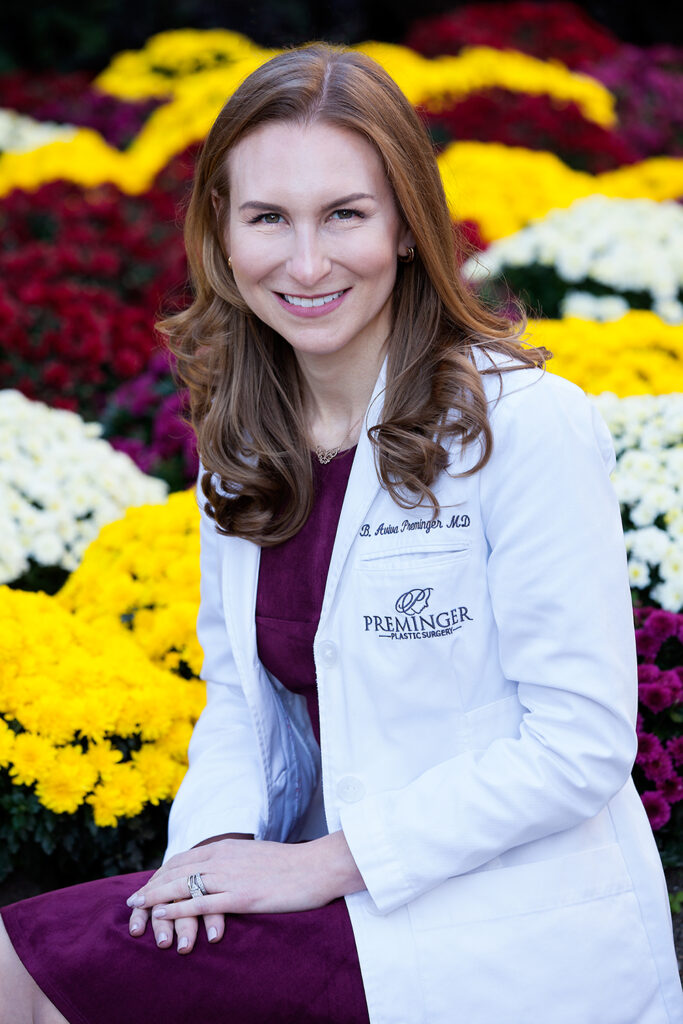
By B. Aviva Preminger, MD, MPH, FACS
In surgery, we talk a lot about knowledge—facts, techniques, anatomy, and the ever-expanding world of devices, injectables, and technologies. Plastic surgery, perhaps more than any other field, sits at the intersection of science and art. And while knowledge is essential, I’ve learned from years in practice that knowledge alone isn’t what makes a great plastic surgeon.
Wisdom is.
Knowledge is what you learn in medical school, residency, and fellowship. It’s the textbook understanding of what can be done. But wisdom—true clinical intuition—comes only with time, repetition, mentorship, and thousands of patient encounters. It’s knowing not just what can be done, but what should be done.
Wisdom is the quiet voice that says, “This patient doesn’t need more filler, she needs less.”
This aging neck will respond better to a facelift than to another round of energy-based tightening.
This young woman thinks she wants a huge change, but she’ll be happiest with something beautiful, subtle, and proportional.
It is the ability to read not just anatomy, but personality. To understand motivation. To recognize when expectations are drifting. To gently guide patients toward choices that will serve them not just today, but ten years from now.
One of the most profound lessons I learned early in my career—something no textbook ever taught—is that every procedure has a cost. Not just financial, but emotional, physical, and spiritual. Surgery is an act of trust. Patients come not only for technical skill, but for judgment. They want to know that the person holding the scalpel has the experience to anticipate the things they don’t even know to ask.
Experience teaches you to see patterns that young surgeons simply cannot see yet. How tissues drape. How scars evolve. How lifestyle, genetics, and habits influence healing. How to balance what a patient wants with what their anatomy allows. Experience teaches restraint and allows for appropriate management of expectations. It teaches humility. And it reminds you that doing less—strategically, thoughtfully, and elegantly—can often achieve more.
In today’s world of social media snippets and before-and-after spreads, it’s easy to mistake visibility for expertise. But the reality is that the best plastic surgery outcomes come from something far harder to capture—wisdom built over years, sometimes decades, of careful decisions, revisions, adjustments, and honest conversations.
And this is also why I believe that artificial intelligence—despite its extraordinary capabilities—will always have its limits in aesthetic medicine. AI can analyze patterns, generate predictions, and even suggest ideal proportions. But it cannot feel the weight of a patient’s insecurities, understand the emotional history behind a request, or sense when someone is asking for a change they will later regret. AI knows information; surgeons know people. And plastic surgery, at its core, is profoundly human.
Plastic surgery is not only about changing appearances, it’s about enhancing confidence, honoring individuality, and maintaining long-term beauty and balance. And that work requires knowledge, yes, but it depends on wisdom.
As Jewish tradition teaches, “Who is wise? One who learns from every person.”
After all these years, I am still learning. Still refining. Still growing. That, too, is part of wisdom.
And every patient—each story, each journey—continues to make me a better surgeon to my patients.
At Preminger Plastic Surgery, we are committed to educating our patients and providing personalized care tailored to their unique needs. For those considering plastic surgery, we offer guidance every step of the way to help you achieve your aesthetic and wellness goals. n
Dr. Aviva Preminger is a board-certified plastic surgeon with degrees from Harvard, Cornell, and Columbia. For more information or to schedule a consultation, please visit PremingerMD.com or call 212-706-1900.