
The Temporary Becomes Permanent: Lessons From The Sukkah
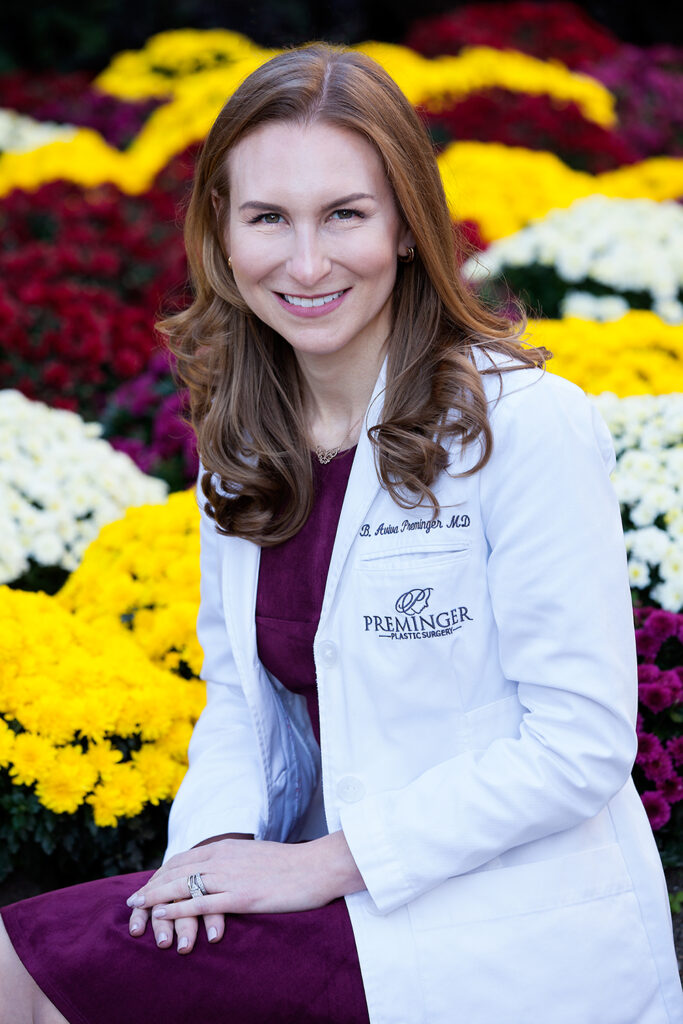
B. Aviva Preminger, MD, MPH, FACS
Every year as Sukkot arrives, I am struck by the paradox of the sukkah. On one hand, it is the most temporary of dwellings—a structure built hastily with wooden panels, bamboo poles, or canvas walls, and a roof of branches that must let the stars peek through. And yet, for the week of the festival, it becomes the central place of Jewish life. We eat there, sing there, welcome guests there, and sometimes even sleep there. For a fleeting moment, this fragile shelter becomes more important than the sturdy homes we leave behind.
In many ways, the sukkah reflects our own bodies. They are resilient, yet delicate. We often take them for granted, assuming they will always function smoothly, until something reminds us otherwise: the passage of years, an illness, an injury, or even just catching our reflection in the mirror one day and noticing subtle changes. I still chuckle to myself when I recall the year that I helped my father put up our sukkah only to wake up and find it in pieces the next morning after a gusty wind had blown it down. The next day, we had to make some adjustments to make sure the sukkah would stand the test of time (or at least a week). As a plastic surgeon, I see that just as we reinforce a sukkah so it can withstand the elements, we sometimes seek ways to strengthen or renew our physical selves—whether through surgery, skincare, nutrition, or healthier habits.
This time of year, post Yom Kippur, is a time of joy but also of reflection. For many patients, fall feels like a natural season of renewal and time for a clean slate or fresh start both spiritually and physically. After the summer sun has left its mark, people often turn to skin-refreshing treatments like laser resurfacing to smooth texture and fade sun spots, or light chemical peels to restore a healthy glow. I recently saw a patient who had just returned from months of outdoor activity. She told me she felt her skin looked “weathered,” but after a series of noninvasive treatments, she not only looked more refreshed but felt re-energized for the holidays.
Others come to me wanting their outward appearance to reflect the energy they feel inside. One mother of teenagers shared that she was ready to address her tired-looking eyes. A simple upper eyelid surgery restored her bright, open expression, and she said it gave her the confidence to be in family photos again—something she had been avoiding for years. Just as we decorate the sukkah to make it inviting and warm, these small changes can make us feel more comfortable in our own “dwelling.”
Leaving the comfort of our homes for the sukkah is an act of vulnerability. We step into an imperfect, temporary space, trusting that G-d provides the true shelter. My patients often experience something similar when they decide to undergo surgery or even a minor procedure. It takes courage to place yourself in someone else’s hands, to embrace the possibility of change, and to trust the process. And just as the sukkah’s simple walls become the backdrop for joy, so too can these moments of vulnerability lead to lasting confidence and happiness.
Ultimately, Sukkot reminds us that beauty and strength are not only found in what is permanent. The sukkah comes down at the end of the holiday, yet the memories and positive experiences remain. Similarly, a refreshed appearance, renewed skin, or restored features are not about chasing perfection, but about creating a foundation for joy and self-confidence.
This year, as we sit beneath branches and stars, may we embrace both the temporary and the eternal—the outer enhancements that lift our spirits and the inner beauty that shines from gratitude, faith, and family.
For many, the weeks after the holidays are the perfect moment to embrace renewal. Whether it’s a consultation for eyelid surgery, laser skin treatments, or simply a refreshed skincare routine, these small steps can create a lasting impact. Just as the sukkah, though temporary, leaves an imprint on our hearts, so too can acts of self-care and healing leave a permanent mark of confidence and strength.
Chag sameach. n
At Preminger Plastic Surgery, we are committed to educating our patients and providing personalized care tailored to their unique needs. For those considering plastic surgery, we offer guidance every step of the way to help you achieve your aesthetic and wellness goals. Dr. Preminger is a board certified plastic surgeon with degrees from Harvard, Cornell, and Columbia.
For more information or to schedule a consultation, please visit PremingerMD.com or call 212-706-1900.