



Understanding Naloxone Use: A Lifesaving Tool to Reverse Opioid Overdose
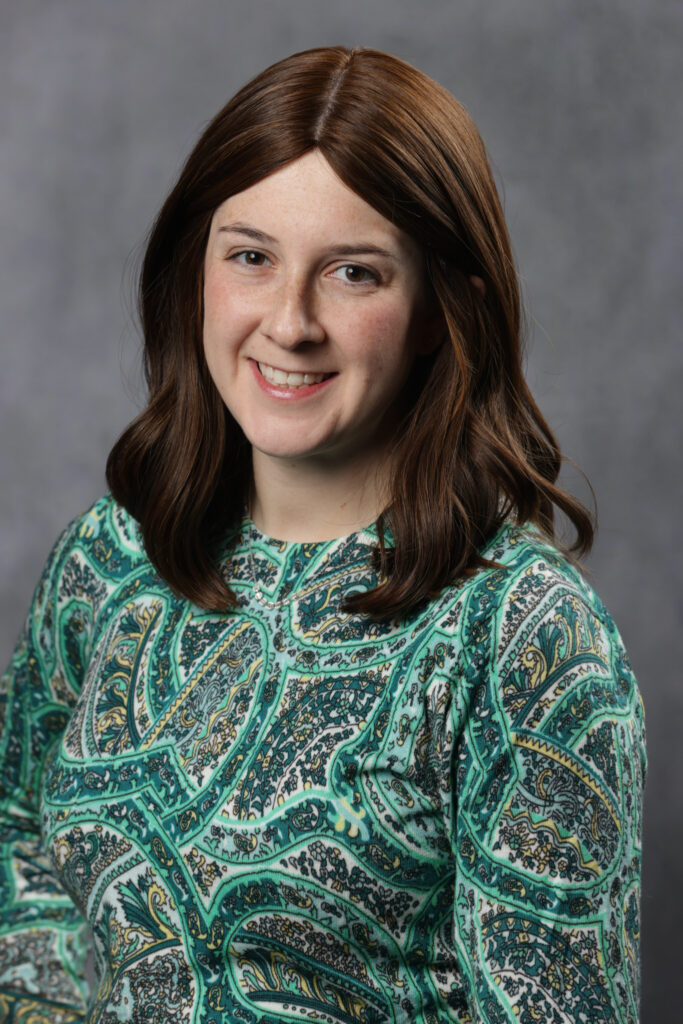
By: Talia Wall, PharmD, BCPS
Assistant Professor of Pharmacy Practice, Touro College of Pharmacy
October is American Pharmacists Month, an ideal time to learn about opioid overdose and how to reverse it. An overdose occurs when a person takes more of a substance than their body can safely handle. Although overdoses can result from alcohol or other drugs, prescription pain medications as well as illegal intake of opioids are among the most common causes. According to the National Center for Drug Abuse Statistics, nearly 9 million Americans misuse opioids every year and almost 80,000 people die annually from opioid overdose.
Who Is at Risk for an Opioid Overdose?
Many people assume that only those who misuse drugs are at risk for an opioid overdose. In reality, anyone taking an opioid medication can be at risk under certain circumstances. Patients prescribed an opioid are at increased risk if they are also taking another medication that depresses the central nervous system, such as a benzodiazepine, which is commonly prescribed to treat anxiety. A patient who has previously experienced an opioid overdose or has a history of opioid use disorder is at particularly elevated risk. Young children are also vulnerable, as accidental ingestion of opioid medications or other substances can quickly become life-threatening.
Recognizing an opioid overdose quickly can save a life. Common signs and symptoms include problems breathing, small pupils, choking, unresponsiveness, or loss of consciousness. A victim’s skin may also begin to appear blueish in color or become clammy.
Naloxone is considered the standard of care for rapidly reversing an opioid overdose, a situation where every moment counts. Importantly, no medical training is required to administer naloxone, making it an invaluable resource for family members, caregivers, friends, and bystanders. To further promote awareness, the FDA recommends that healthcare providers discuss overdose prevention and reversal with patients who are prescribed opioid medications. For patients considered at high risk for overdose, the FDA also recommends prescribing naloxone alongside an opioid prescription.
It is safe to administer naloxone even if one is not completely certain that an opioid overdose is causing the presenting symptoms in a patient. If opioids are not present, naloxone will not produce harmful effects related to opioid reversal. Naloxone can also be safely administered to people of any age, including children.
Opioids produce their dangerous effects by attaching to opioid receptors in the brain. When too many opioid molecules attach to these receptors, breathing slows and may eventually stop. Naloxone works as a competitive opioid antagonist. It competes with opioid molecules for the same receptors in the brain. Since naloxone has stronger attraction to the receptors, it essentially pushes the opioid molecules away and prevents their effect on the body. Naloxone’s only effect on the receptors is to lock them up, which allows breathing to return to normal. An observable reversal of the overdose can be realized within minutes of naloxone administration. However, it is only active for roughly an hour, whereas opioids may last longer in the body, so additional doses may be needed, and further emergency medical care is always necessary.
Naloxone was first approved as an injection to reverse opioid overdoses back in 1971. It wasn’t until 2015 that the more user-friendly nasal spray version was approved under the brand name Narcan®, signifying crucial progress in making the medication more accessible. Still, a barrier existed in that a prescription was required to obtain the medication.
Recognizing the growing need for broader public access, the FDA approved the first over-the-counter naloxone nasal sprays in 2023. According to the Centers for Disease Control and Prevention (CDC), drug overdose deaths have declined by almost 40% since 2023, due in large part to increased naloxone availability. Higher-dose nasal sprays and injectable formulations of naloxone remain available by prescription, and patients at high risk of overdose may be discharged from the hospital with either a prescription or a take-home naloxone kit.
Today, over-the-counter naloxone is widely available and typically costs $35-$50 for a two-pack, while generic or store-brand versions can often be purchased for under $30 for a two-pack. In June 2026, the FDA approved an additional over-the-counter naloxone nasal spray to further improve public access. Three over-the-counter brands are now available: Narcan®, RiVive®, and Rextovy®. Naloxone is easy to use, and the medications come with step-by-step directions for use.
Proper knowledge can save a life. Recognizing the signs of an opioid overdose and knowing how to use naloxone can empower people to act during an emergency. As access to naloxone continues to expand, more families, caregivers, and community members have the opportunity to help prevent overdose deaths.
Dr. Talia Wall is the Assistant Director of Practice Experience and Assistant Professor of Pharmacy Practice at Touro College of Pharmacy. This article is for informational purposes only and is not a substitute for professional medical advice.